Address:
- Minsk, Sovetskaya St., 18
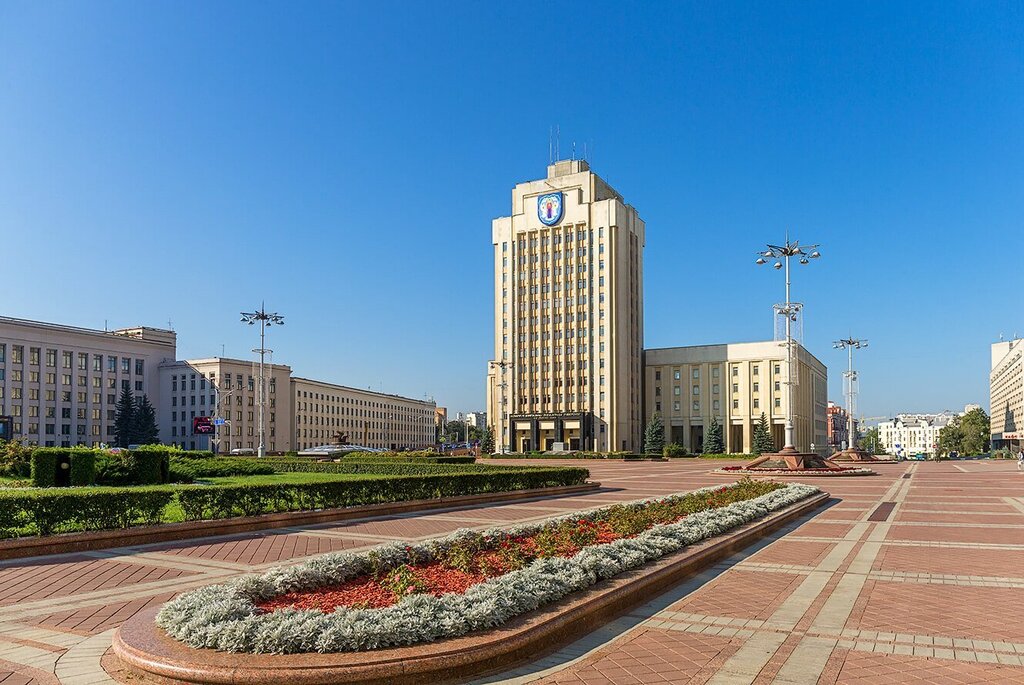
The Belarusian State Pedagogical University named after Maxim Tank (BSPU) is one of the oldest and most authoritative educational institutions in Belarus, playing an active role in the training of qualified specialists in the field of pedagogical education. Founded in 1914, the university is today a flagship institution for the preparation of teachers and educators in the country.
History of the University
The history of BSPU began on June 22, 1914, with the signing of a decree on the establishment of the Minsk Teacher's Institute. Just a few months later, on November 21 of the same year, the institute was officially opened. Established with the goal of preparing teachers, this educational institution became an important step in the development of the education system in Belarus. Over the years, the institute changed its name and structure in response to the development of education in the country.
In 1918, the Minsk Teacher's Institute was transformed into the Minsk Pedagogical Institute, which became the core for the establishment of the pedagogical faculty of Belarusian State University (BSU) in 1921. In 1931, the pedagogical faculty was separated into an independent institution and became the Minsk State Higher Pedagogical Institute, and later was renamed the Belarusian State Pedagogical University named after Maxim Tank.
Role and Significance
BSPU is not only an educational institution but also an important center for scientific and cultural life in the country. The university actively works on the development of pedagogical education, implementing innovations and new approaches to teaching future specialists. Since its establishment, it has been a training ground for the education system of Belarus, preparing thousands of teachers, educators, psychologists, as well as specialists in the fields of social technologies and inclusive education.
In 1995, the university was named after the national poet of Belarus, Maxim Tank, highlighting its significance in the culture and education of the country.
Faculties and Programs
Today, BSPU offers a wide range of educational programs covering all areas of pedagogical activity. Its structure includes various faculties and institutes, including:
- Institute of Psychology
- Institute of Inclusive Education
- Faculty of Preschool Education
- Faculty of Natural Sciences
- Faculty of Physical Education
- Faculty of Social Pedagogical Technologies
- Faculty of Aesthetic Education
Additionally, the university actively develops its postgraduate programs, including master's, doctoral, and postdoctoral studies, preparing students at various levels of education. In recent years, the university has also begun offering programs in English, opening up additional opportunities for international students.
Modern Life of the University
BSPU is not only a hub for education but also plays an active role in the cultural and social life of the country. The university's students and faculty organize various cultural and community events, participate in scientific research, and engage in volunteer projects. The university takes great pride in its creative collectives, such as the National Literary Theater "Living Word", the National Cymbalists Ensemble "Vyarba", the National Student Theater "We", and others.
The university has also developed its sports infrastructure. In 2016, a modern stadium was opened after reconstruction, and in 2020, the BSPU HALL art space was launched, providing a platform for the creative projects of students.
Achievements and Recognition
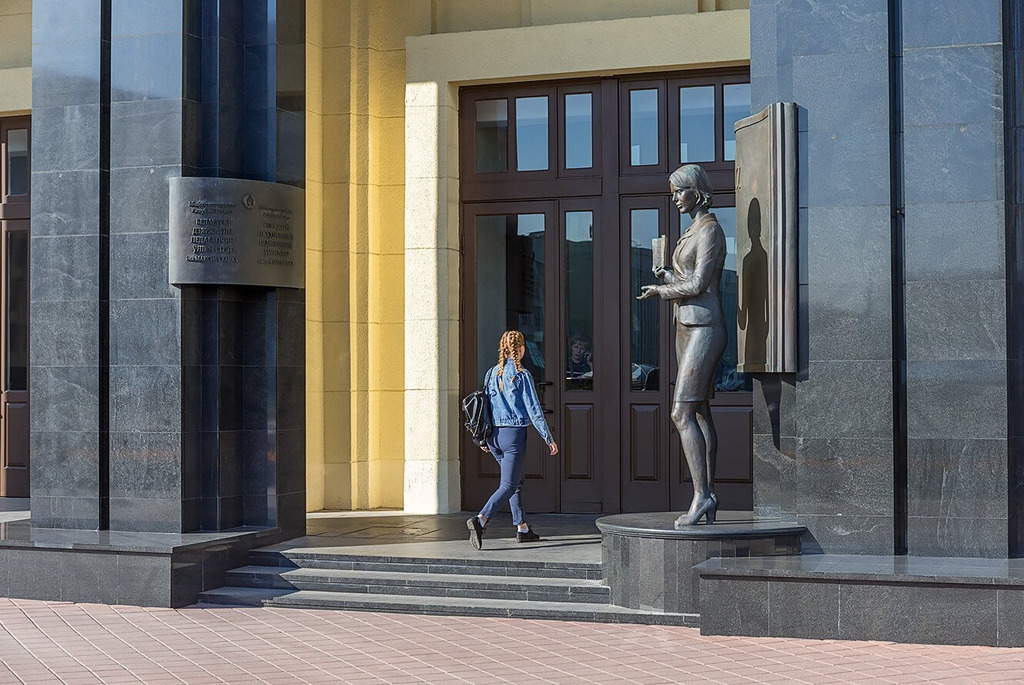
Over its long history, the Belarusian State Pedagogical University has rightfully received many awards. In 1997, the university was awarded the Honorary State Flag of the Republic of Belarus, and in 2004, the Foucault Pendulum was installed in the university's foyer. In recent years, the university has actively developed innovative programs and projects in the field of pedagogical education, which have been recognized internationally.
BSPU and Sustainable Development
In recent years, BSPU has been actively integrating sustainable development principles into the educational process. In 2017, the university received the status of a regional center of expertise in education for sustainable development and was recognized as a leading educational institution in the field of inclusive education within the CIS.
How to Get There
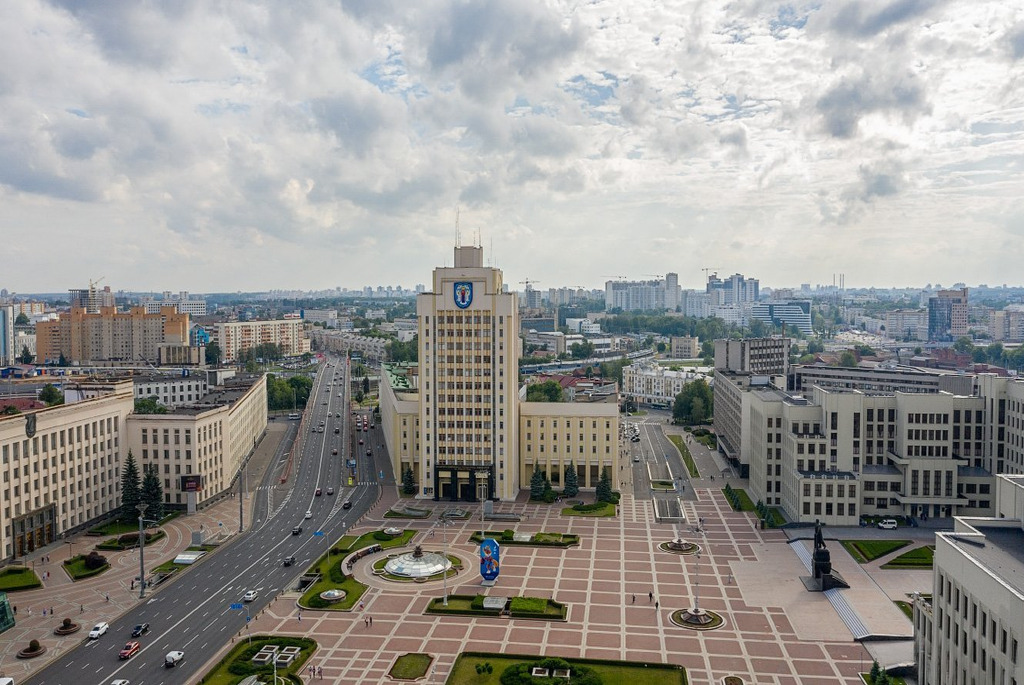
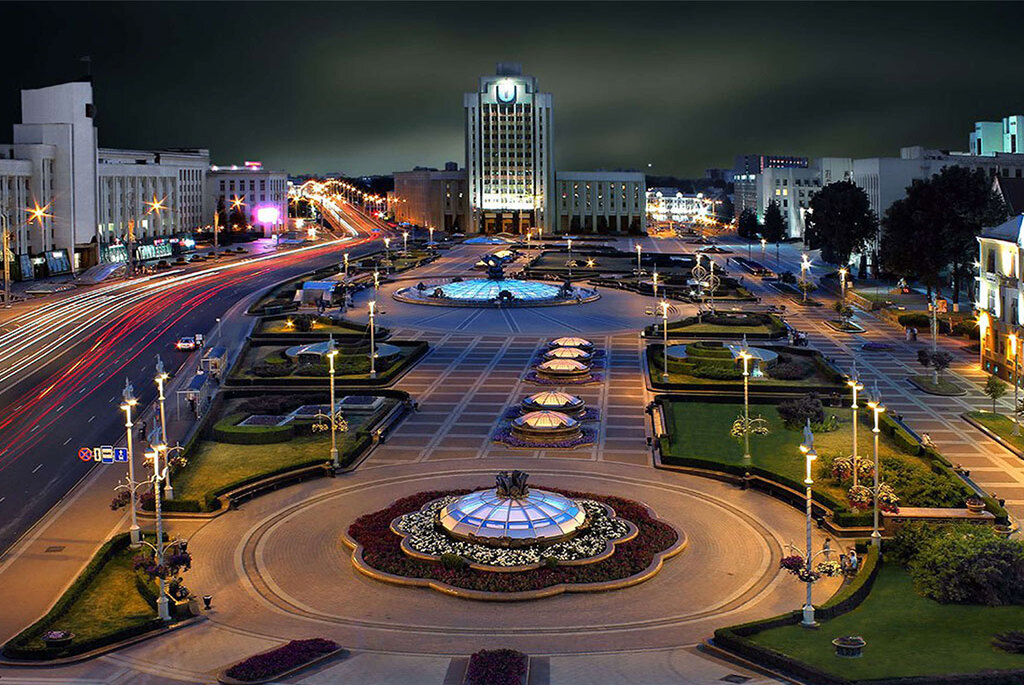
The Belarusian State Pedagogical University is located in the heart of Minsk, on Soviet Street, near Lenin Square and the metro station, making it convenient for students and visitors.
Conclusion
BSPU named after Maxim Tank is a university that not only trains future educators but also actively shapes the future of education in Belarus. Its long history, achievements, and cultural influence make it not only an educational center but also an important part of the cultural heritage of the country. The university continues to grow, implement innovations, and train specialists who are capable of transforming the education system for the better.