Address:
- Vitebsk region, Vitebsk District, Vitebsk , Maksim Gorky Street, 84a
On the right bank of the Dvina River, downstream, on Maksim Gorky Street 84a in Vitebsk there is Holy Trinity Markov Monastery. Its history dates back to the end of the XIII century, when the monastery was mentioned in the documents of 1298.
History
Legend says that the monastery was founded by a pious man named Mark, who built a chapel on his land and secluded himself for prayers. Gradually, other like-minded people joined him, and the cloister became a place of spiritual life. In the 17th century, the monastery gained special significance thanks to the establishment of Duke Lev-Samuil Oginski, who erected five churches, a brethren's building and a bell tower. During its prosperity, the monastery was adorned with picturesque natural surroundings and magnificent churches, attracting many Orthodox believers.
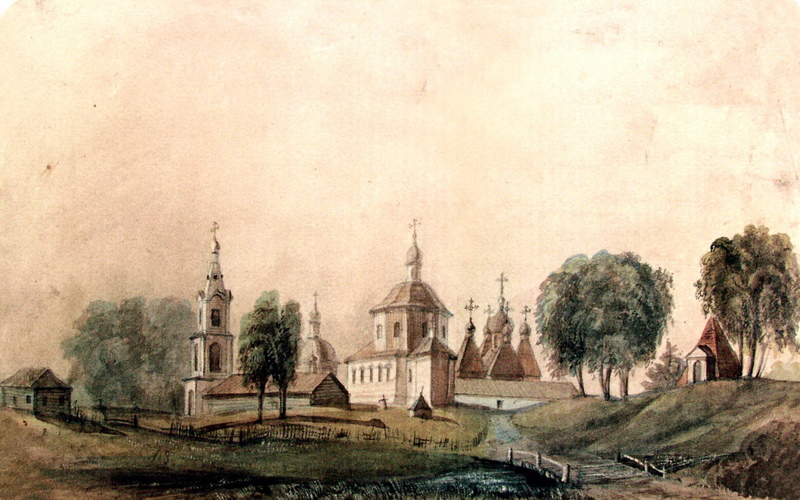
After the Union period, when the monastery experienced difficulties, thanks to the efforts of Duke Simeon Oginski the monastery was restored and even enlarged. In 1920 the monastery was closed. Only Saint Kazan Church, built in 1760, remained active, and for a long time it was the only Orthodox church in Vitebsk.
Holy Trinity Markov Monastery Today
On 23 November 2000, by decision of the Holy Synod of the Belarusian Orthodox Church, the Holy Trinity Markov Monastery was revived. Since that time the process of restoration of the monastery buildings, including the Church of the Mother of God of Kazan Icon, has begun. Moreover, the monastery has a library, a Sunday school, a refectory for the poor and a shelter for the homeless.
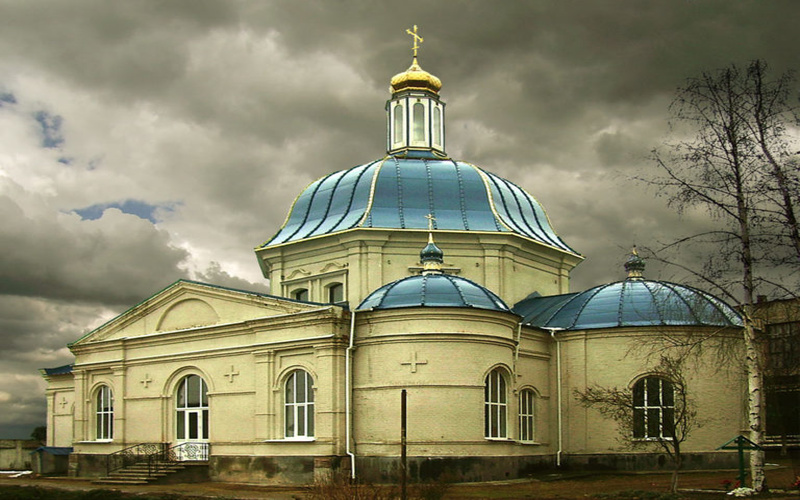
This architectural monument of early classicism with elements of Baroque architecture not only enriches the spiritual life of the parishioners, but also helps the needy, reflecting the deep values and goodness of Orthodoxy.