Address:
- Minsk region, Losk village, Central street, 39B
People come here for healing, peace, faith – or simply for the quiet that’s hard to find in the city. It’s a place where history, spirituality, and nature are deeply intertwined.
Where the Spring Is Located
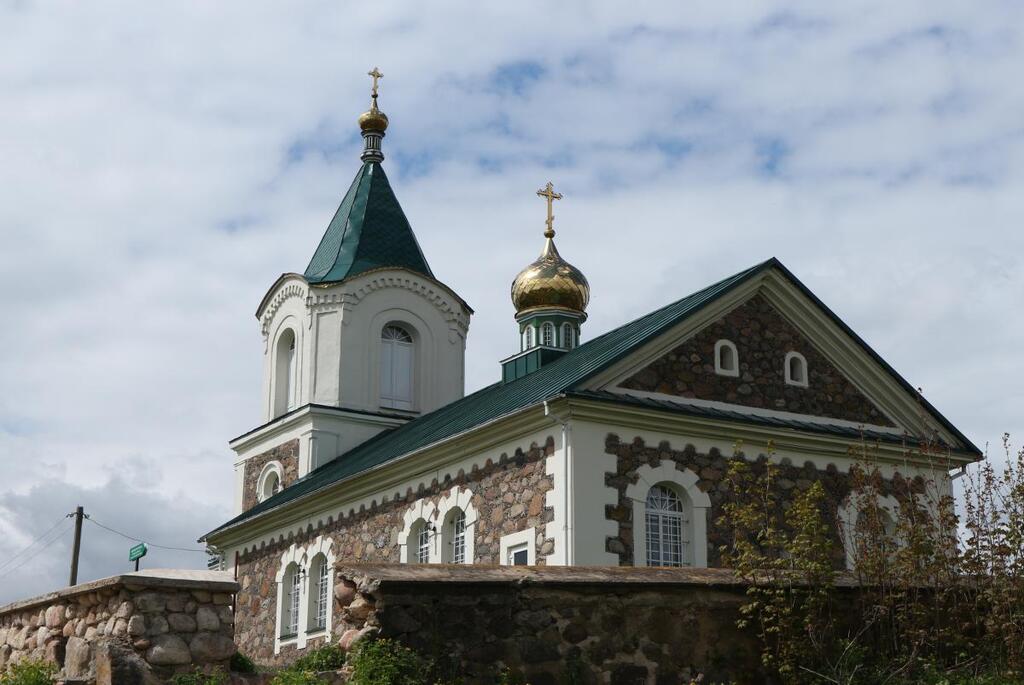
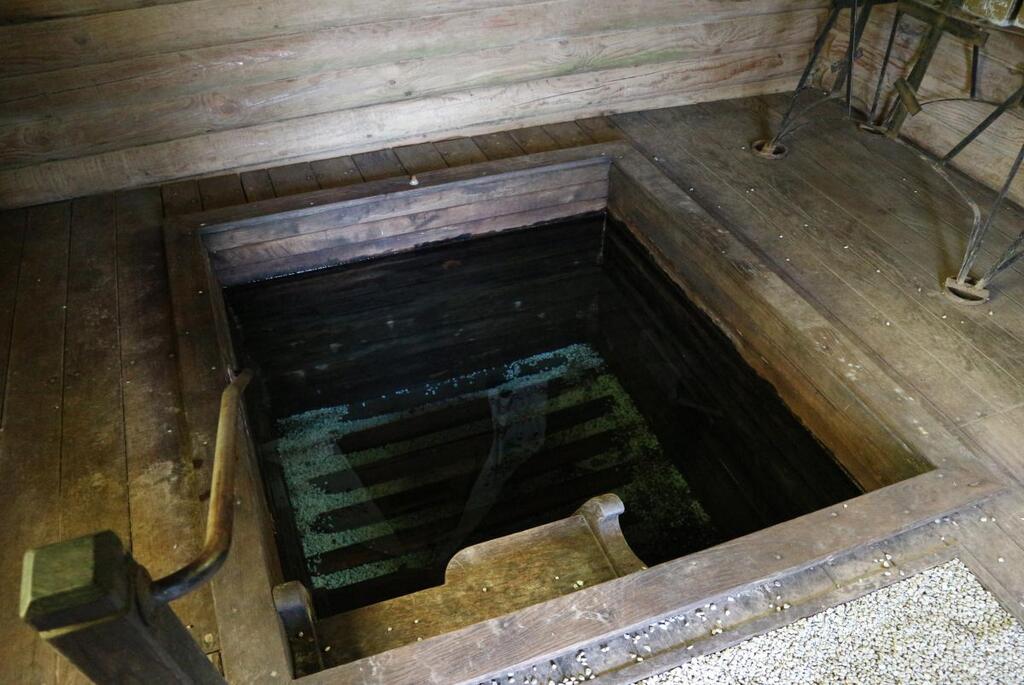
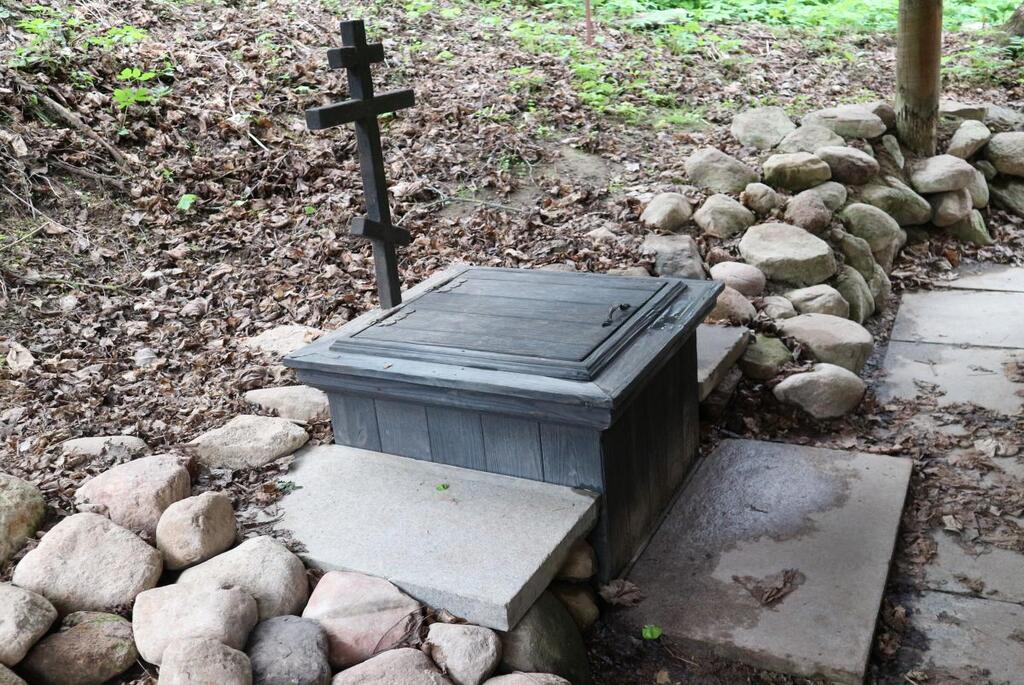
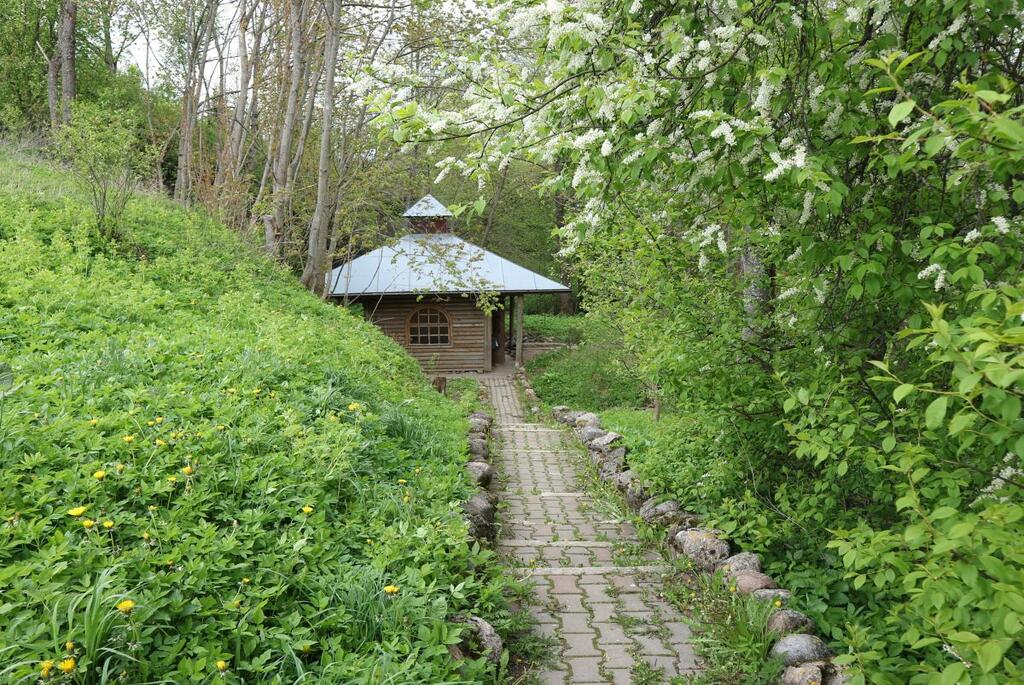
The village of Losk is about 90 kilometers from Minsk. The Spring of Saint Panteleimon is located behind the Church of Saint George the Victorious, an active Orthodox church built in the 19th century. A narrow path on the right side of the church leads down into a shady, green-filled hollow. There, beneath a wooden chapel, you’ll find a well with fresh spring water and a font open to all visitors.
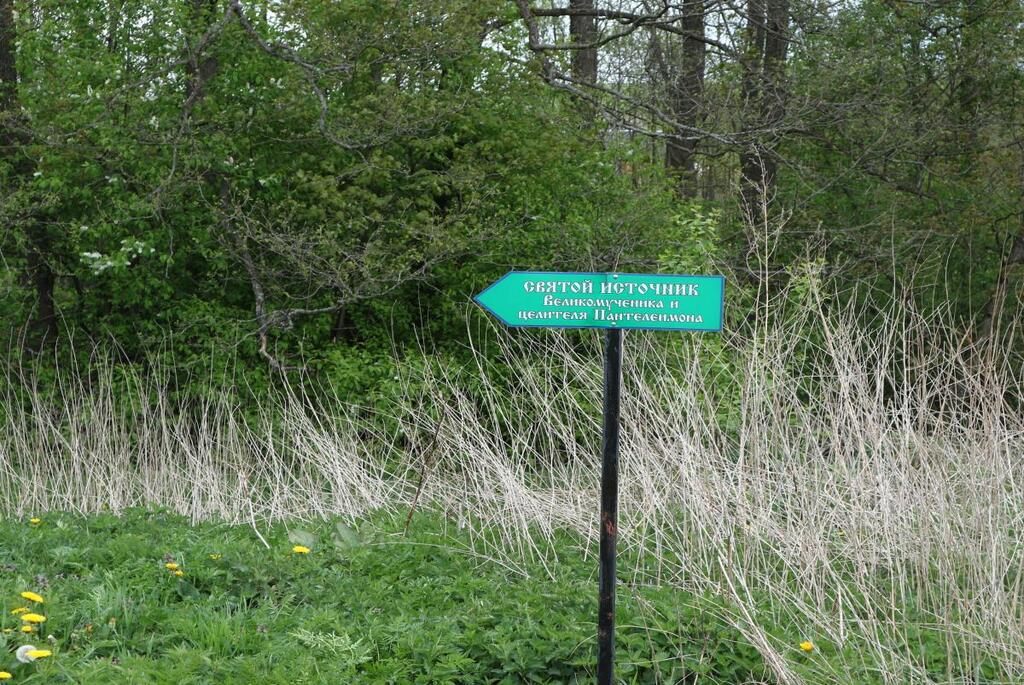
The setting is secluded, shaded, and cool – even on a hot summer day. The only sounds are birdsong, the gentle murmur of water, and the breath of the forest. This natural simplicity creates a powerful atmosphere – unpretentious, but deeply moving.
What Makes the Spring Special
According to local tradition, the spring’s water has healing properties. The spring’s patron is Saint Panteleimon, one of the most venerated healer-saints in Orthodox Christianity. Many believe that immersion in the font helps relieve ailments of the joints, skin, and eyes, and also strengthens the body and spirit.
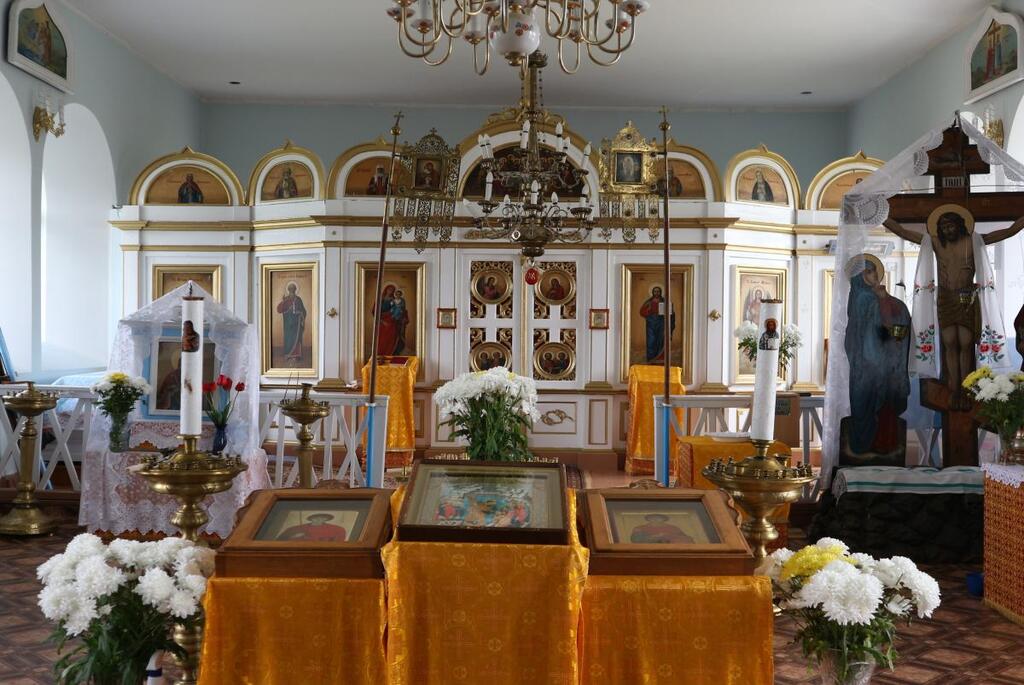
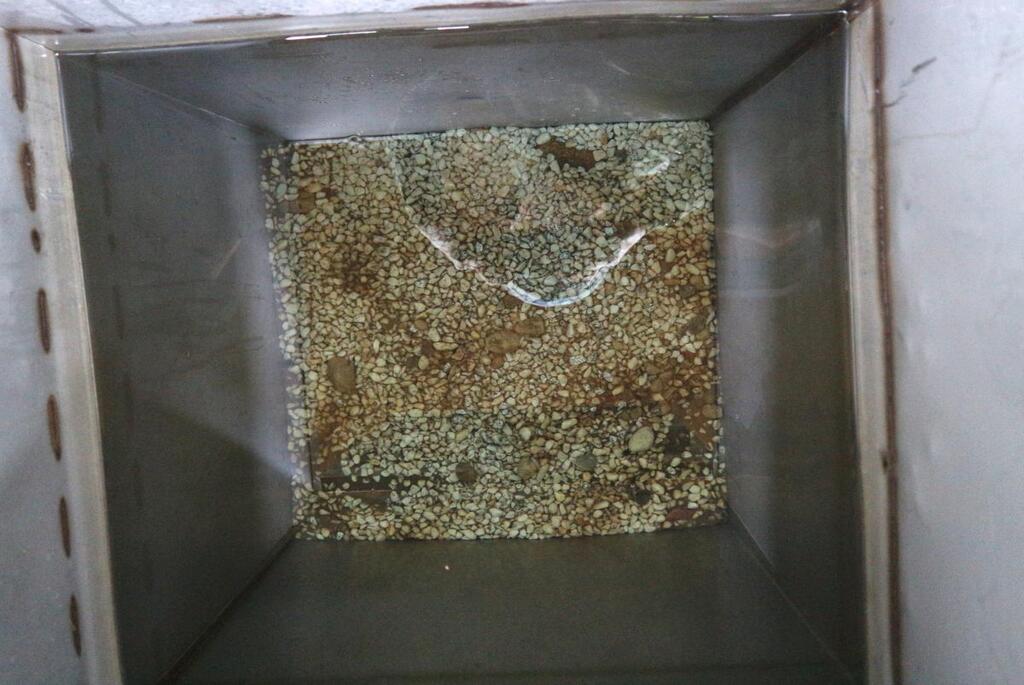
The site's significance is further enhanced by the presence of Christian relics. According to information posted inside the chapel, the font contains fragments from sacred sites connected to the Gospel: stones from the Tomb of the Virgin Mary, the summit of Golgotha, the cave of the Prophet Elijah, and others. This makes the site a destination for pilgrims from all over Belarus and beyond.
Legends and History
Many legends are associated with the spring. The most well-known tells of a miraculous event during World War I. Locals say that German troops tried to use mustard gas to drive Russian soldiers from their positions near the stream. But at the critical moment, the wind suddenly shifted, and the gas blew back toward the Germans. Villagers believe it was the intervention of Saint Panteleimon.
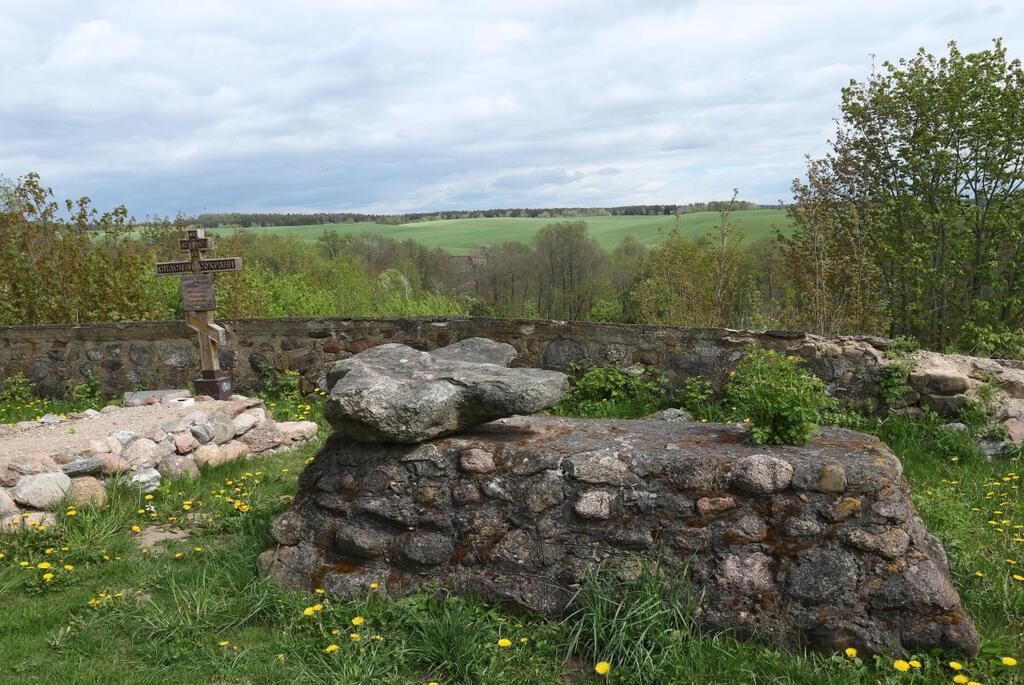
Supporting the legend is an old military cemetery nearby, where German soldiers are buried. There are no crosses or headstones – just grassy mounds, silently marking the past.
What to Expect as a Pilgrim or Visitor
Upon arriving in Losk, you’ll see the neat Church of St. George the Victorious, next to which there is a well-maintained area for visitors. The path to the spring is easy and suitable for all ages. Near the chapel, you can collect water or immerse yourself in the font (the water is cold all year round). There are benches for rest, as well as places for prayer and reflection.
The atmosphere is especially spiritual on the feast day of Saint Panteleimon — August 9 (New Style). On this date, many believers gather in the village for prayer services, processions, and spiritual talks.
It’s worth noting that the spring is open all year round. Some pilgrims even visit in winter — then bathing in the icy water becomes a true spiritual challenge. Even in summer, it's important to dress modestly and behave respectfully: for local residents and believers, this is not a tourist attraction but a sacred place.
A trip to Losk will also be memorable for history enthusiasts. Interestingly, in the 16th century, a printing house operated here, where the humanist Symon Budny published his books.
How to Get There
You can reach Losk by car – take the M6 highway from Minsk, then turn toward Valozhyn and follow the road through Radoshkovichi or Iwieniec. GPS users can search for “Church of Saint George the Victorious, Losk.” Guided excursions and pilgrimage tours also regularly travel here, especially from Minsk, Vileyka, and Maladzyechna.
The Spring of Saint Panteleimon in Losk is more than just a natural spring. It’s a living connection to faith, tradition, and history. People don’t come here for a checklist or a photo op – they come to touch silence, to find depth. And perhaps, they leave changed – calmer, more centered, and grateful.