Date :
Friday, April 26, 2024
38 years have passed since the accident at Chernobyl NPP. During this time, our country has overcome a colossal path of recovery.
A lot of resources and funds have been spent, but positive changes are obvious: the lands are gradually returning to agricultural use. We receive clean products. Conclusions have been drawn, a sad lesson has been learned. However, one circumstance still worries some: the nuclear power plant built near Ostrovets.
We offer you a short excursion into history and a look at the current situation from an objective angle.
… Belarus is an agricultural country; this status has been established since the times of the Soviet Union. In the late 1980s, it produced an impressive 5.6 percent of all agricultural output in the former USSR. However, the accident at Chernobyl NPP in 1986 dealt a serious blow to the domestic agro-industrial complex. The total damage from this tragedy was estimated at a whopping $235 billion, of which more than $70 billion (or 30.6 percent) came to the agricultural sector.
Despite the large-scale consequences of the disaster, thanks to timely measures taken at the state level and the use of competent technologies for cultivating crops on lands contaminated with radionuclides, the development of the agricultural sector in Belarus did not stop. Over the past 30 years, Belarus has managed to return over 19.5 thousand hectares of land, previously severely damaged due to radiation, to agricultural use. And at processing enterprises there is strict control over the content of radionuclides: at the input - raw materials, at the output - finished products.
The control system has shown its reliability - over the entire period, there has not been a single case of agricultural products entering the retail chain with radionuclide content above permissible levels. Moreover, the established standards in Belarus are much stricter than in European countries. Therefore, today the “Made in Belarus” brand is popular all over the world and is associated with a sign of quality.
What is all this for? We have experienced a serious tragedy that has damaged not only the country's economy, but also the population. And at the state level, all measures have been envisaged and taken to ensure that it does not happen again in the future.
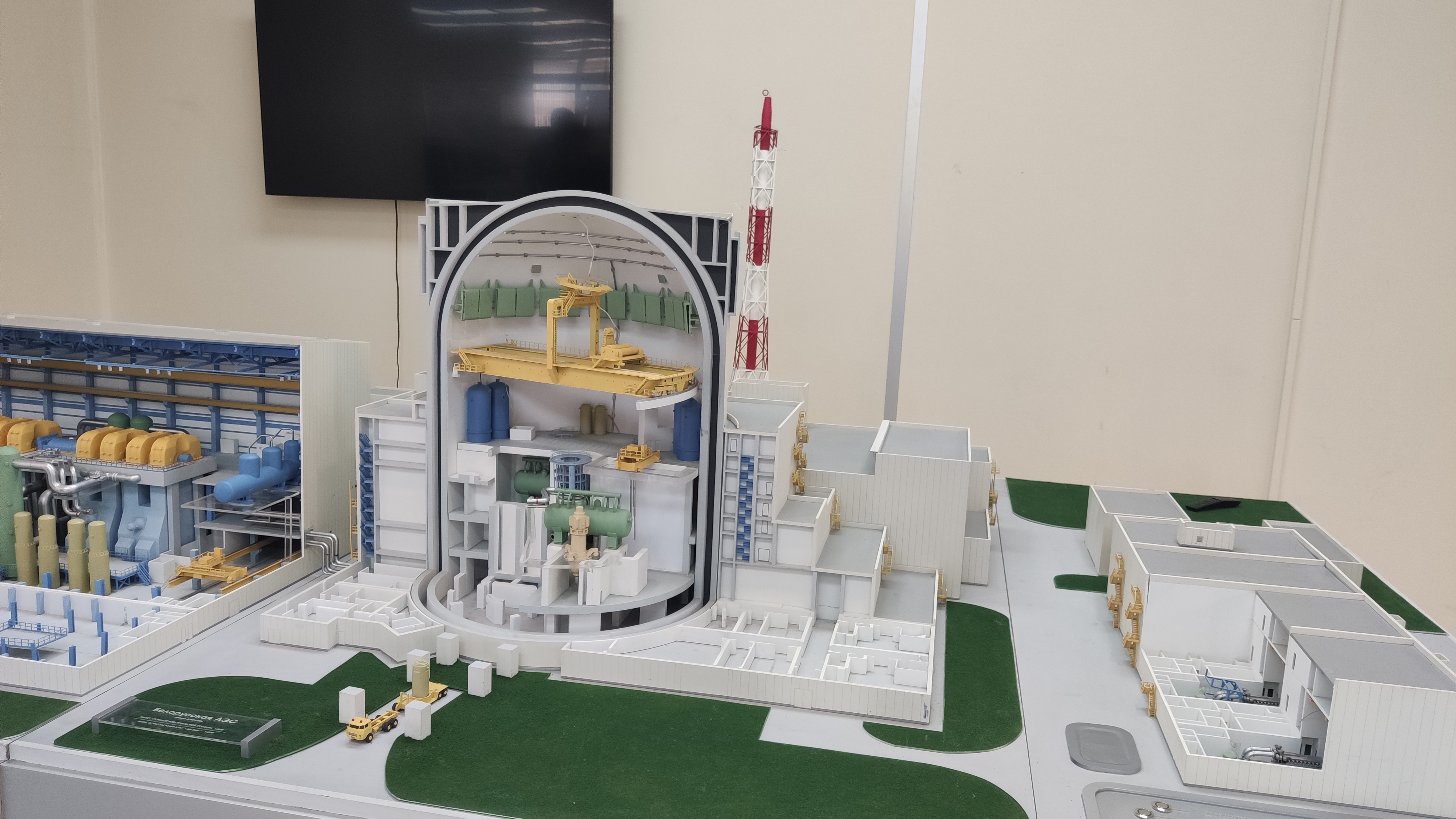
The construction of the BelNPP was carried out in strict compliance with all international standards and IAEA recommendations. The most advanced systems and safety equipment were introduced into the station design:
- four-channel security system;
- melt localization device;
- double containment of the reactor building;
- hydrogen removal system;
- passive heat removal systems;
- the plant is protected from various external influences.
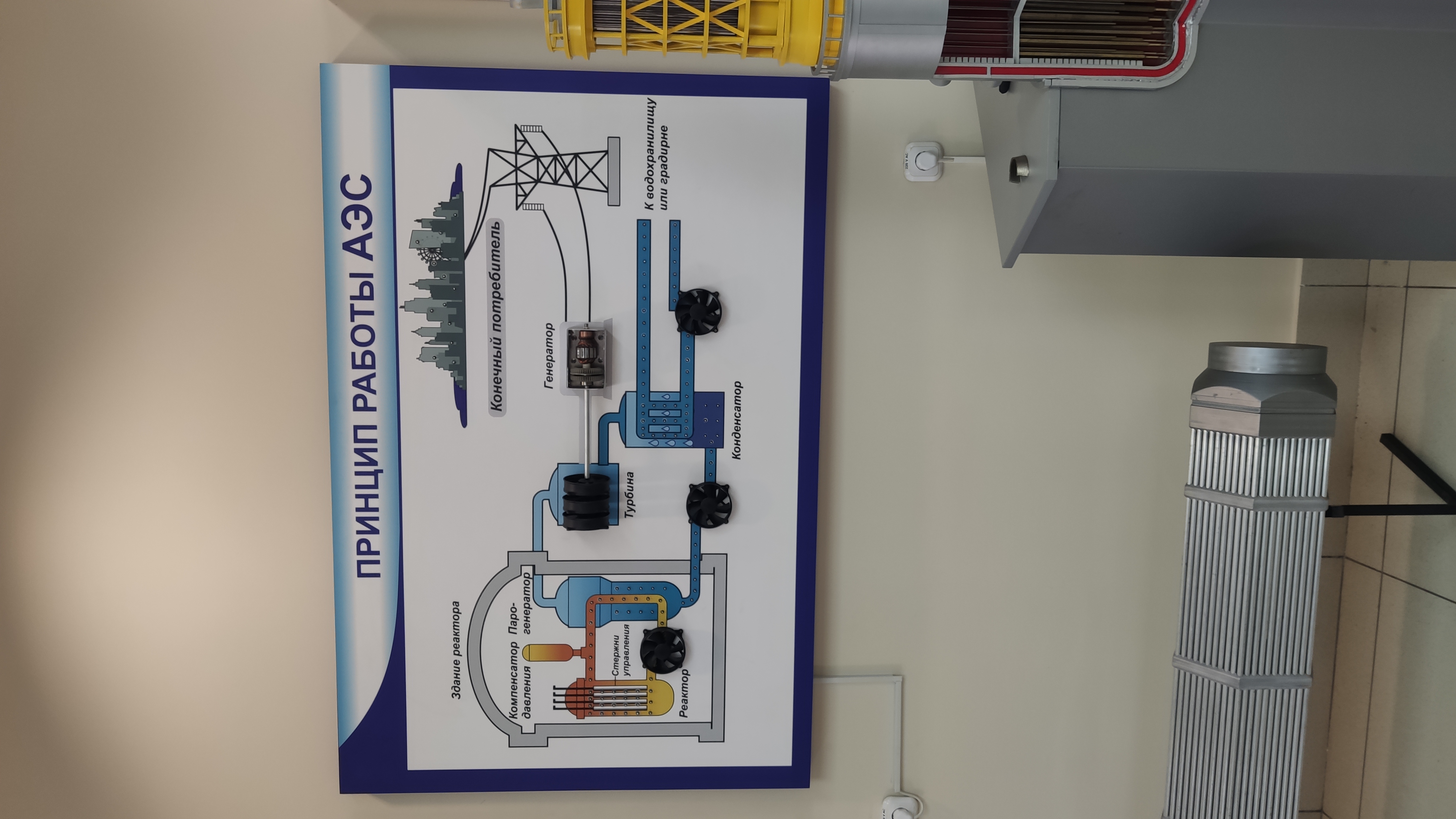
In addition to active safety systems that require operator intervention and the presence of a power supply source, the BelNPP also uses passive safety systems that do not depend on the human factor. You will be told about all this during a tour of the BelNPP. By the way, to get to the enterprise, you need to pre-register at the information center.
You should visit the plant at least to hear from a reliable source: the newest Russian NPPs are equipped with a four-barrier safety system, which:
- prevents the release of fission products under the shell of the fuel element;
- does not enable fission products to enter the coolant of the main circulation circuit;
- prevents the release of fission products under the protective hermetic shell;
- eliminates the release of fission products into the environment.
In simple terms, if something happens in the reactor hall, the radioactivity will remain there. The fact is that the dome of the power unit is made of pre-stressed concrete - a unique design that gives it a special solidity, stability and strength. If we answer one of the pressing questions that is occasionally raised in a non-professional environment - “Is it possible for a repeat of the situation like Fukushima?”, then it should be noted that in the current safety conditions the risk of hydrogen accumulation in an explosive concentration is minimized.
This is just a small part of what is discussed during the tour. If you haven’t been to the BelNPP yet, it’s time to get information and answers to all your questions first-hand!