Date :
Wednesday, November 8, 2023
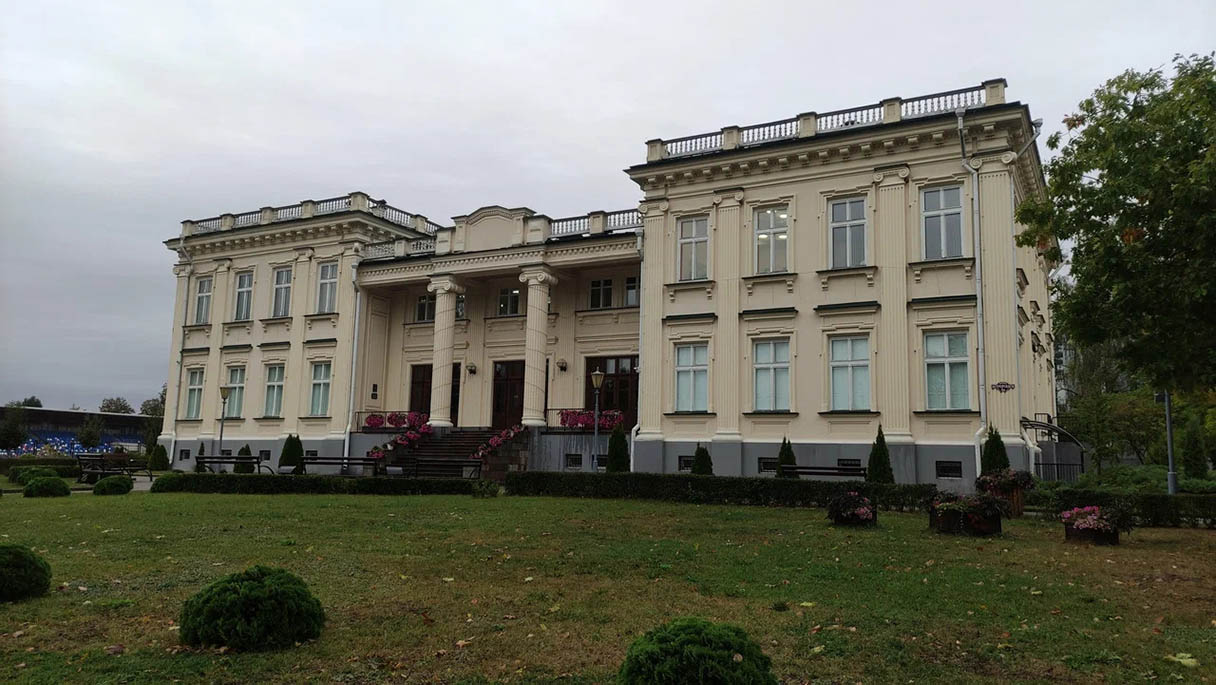
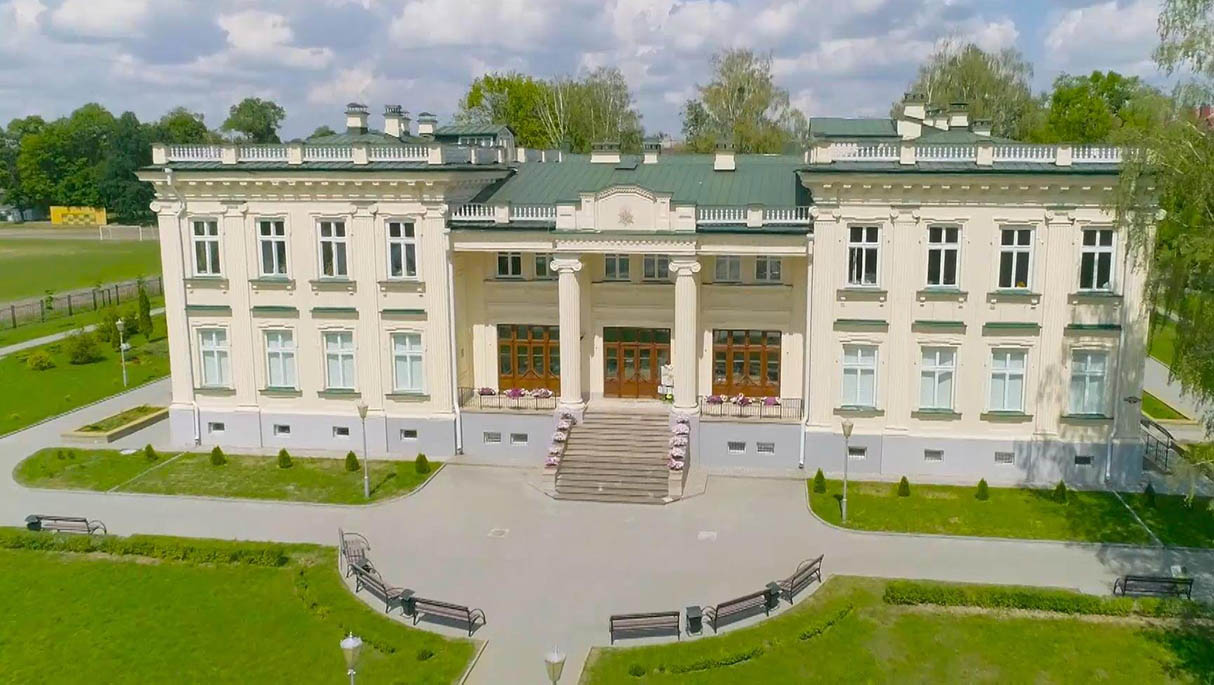
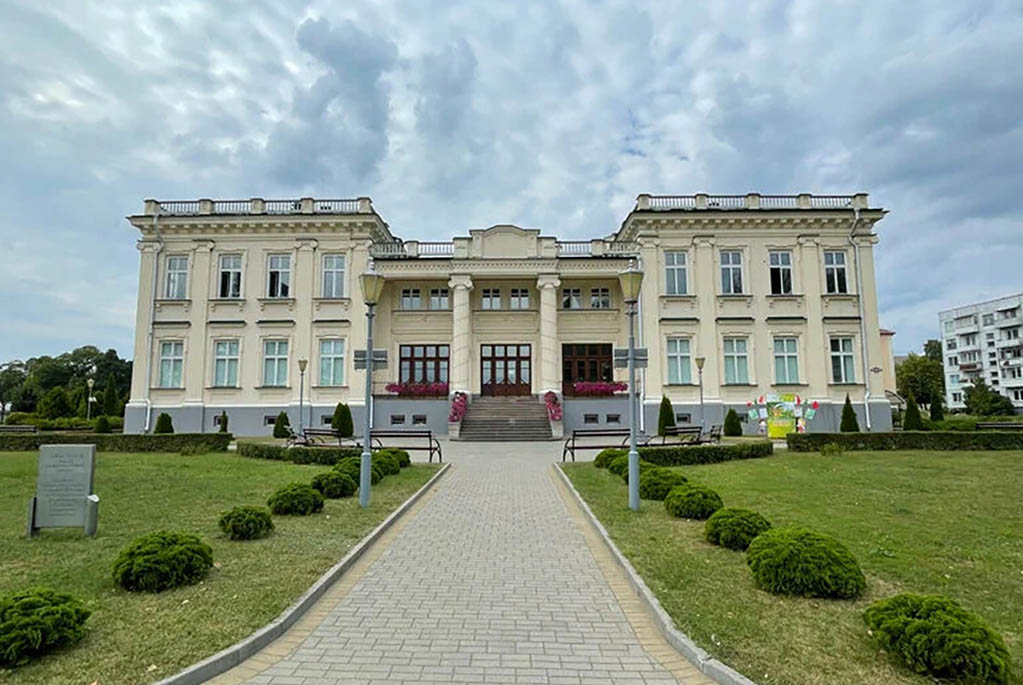
The Drutsko-Lyubetsky Palace is a landmark of Shchuchin, located in the northern part of the town.
It was designed at the initiative of Vladislav Drutsko-Lyubetsky, a representative of the noble family that owned Shchuchin from the early 19th century. The project was authored by Vilnius architect Tadeusz Rastvorovsky. The construction of the palace in the neoclassical style began in the 1890s, but due to the owner's illness, the building work continued for a long time. Even under Vladislav Drutsko Lyubetsky's son Yan, the building was not completed.
The Shchuchin residence of the Drutsko-Lyubetskys shares many features with the Petit Trianon - a small, elegant pavilion built on the grounds of Versailles. Like the Versailles Trianon, the palace in Shchuchin is a symmetrical composition, erected on a high plinth. A large, wide staircase leads to the main entrance; windows are decorated with profiled cornices, and a mansard adorned with columns beautifies the central part of the building. The rear of the building also has an entrance, framed by a four-columned portico.
The interiors of the Shchuchin palace were richly and tastefully furnished: luxurious furniture upholstered in leather and Italian fabrics, ceilings adorned with Venetian chandeliers, walls decorated with intricate carvings. The interior was complemented by paintings and family portraits, graceful marble sculptures, and musical instruments.
The completion of construction and finishing works was hindered by several factors: lack of financial resources, the outbreak of World War I, and the subsequent devastation.
In 1939, the last owner of the estate, Yan Drutski-Lyubetsky, permanently left Shchuchin, taking all property and family valuables with him.
During World War II, the estate housed a German hospital, so the building was not significantly damaged. After the war, the Drutsko-Lyubetsky estate housed an Officers' House.
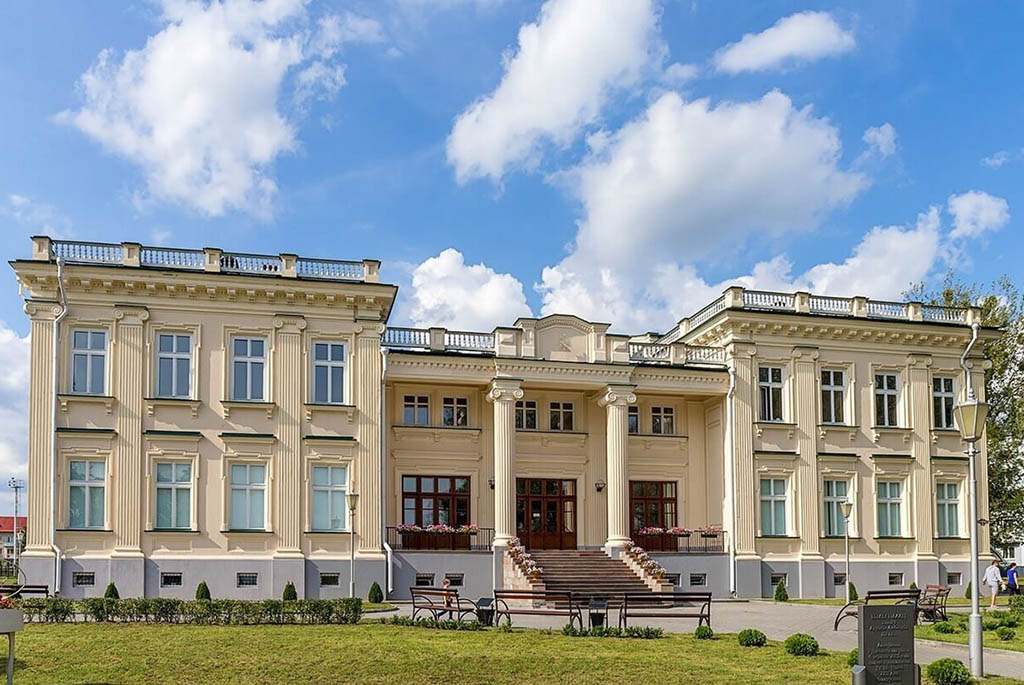
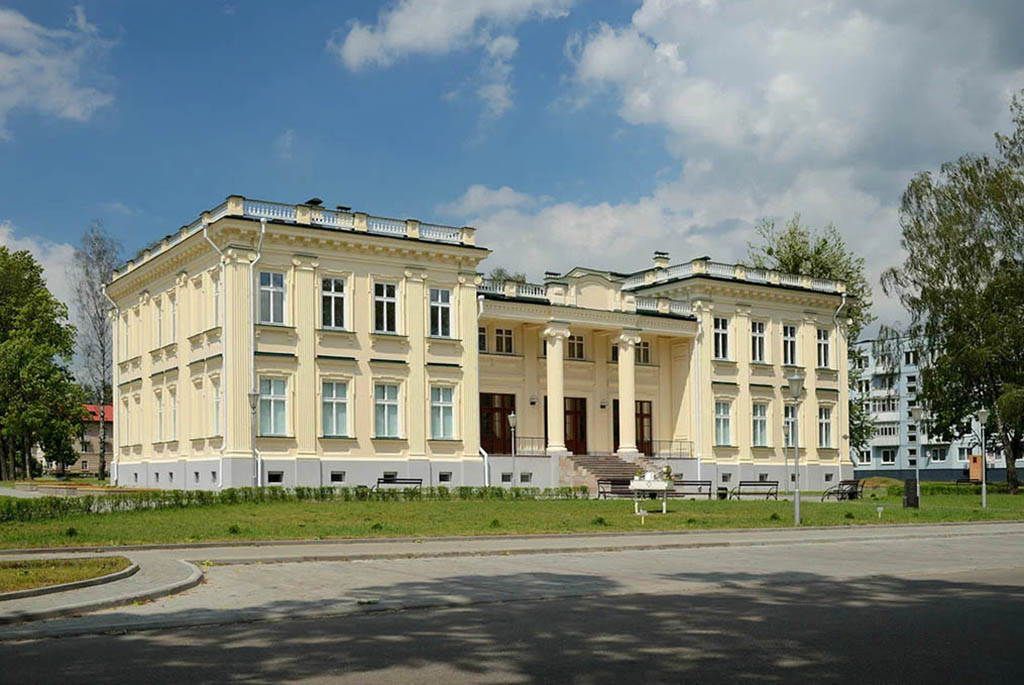
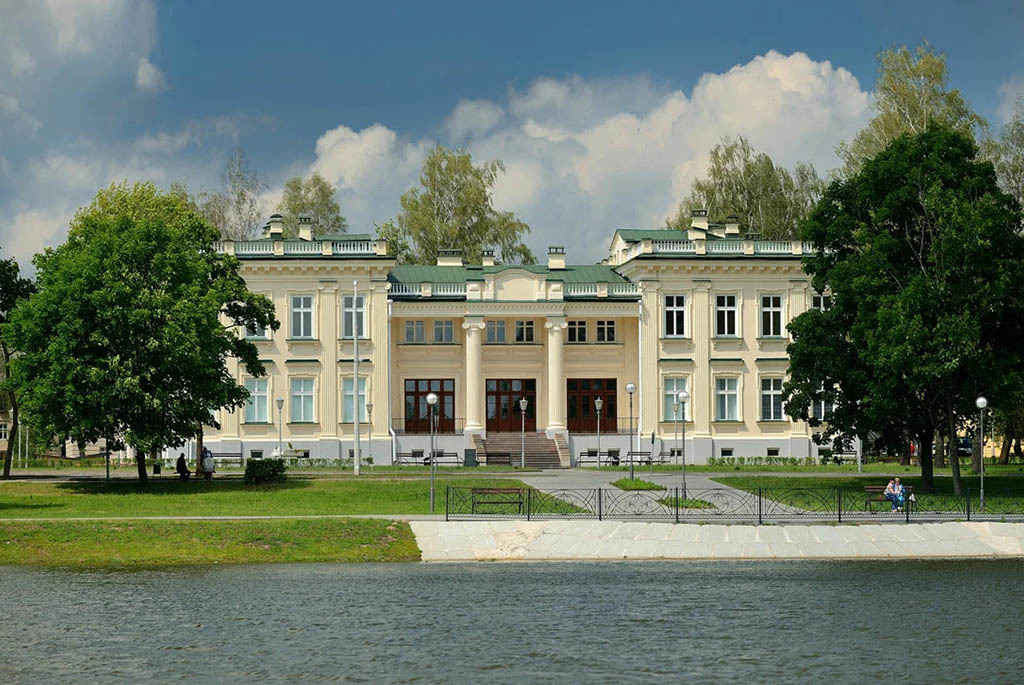
In the early 2000s, a decision was made to restore the Shchuchin architectural monument. Restoration work took about 15 years, and in 2015 the renovated family residence of the Drutsko-Lyubetskys opened to residents and guests of the town.
Now, the building houses the city palace of creativity for children and youth and museum exhibitions dedicated to the history of Shchuchin and the Drutsko-Lyubetsky family. The interiors of the building were recreated from preserved photographs. The historical atmosphere is conveyed through original finishing elements, copies of paintings, pieces of furniture, and antique musical instruments.
Concerts, modern balls, workshops, and other cultural events are regularly held within the walls of the palace. Visitors are offered excursions during which they can become more familiar with the history of the city and feel the spirit of the era at the turn of the 19th-20th centuries.