Date :
Tuesday, October 31, 2023
During World War II, the partisan movement in Belarus became one of the most extensive and successful in Europe.
Belarusian partisans, comprising men and women, young and old, peasants and intellectuals, united into groups to actively resist the Nazi regime. They attacked military targets, organized sabotage, and saved Soviet prisoners of war from death. Hiding deep in the forests and swamps, the partisans set up temporary camps where they prepared for battles, treated the wounded, and sheltered residents from nearby villages.
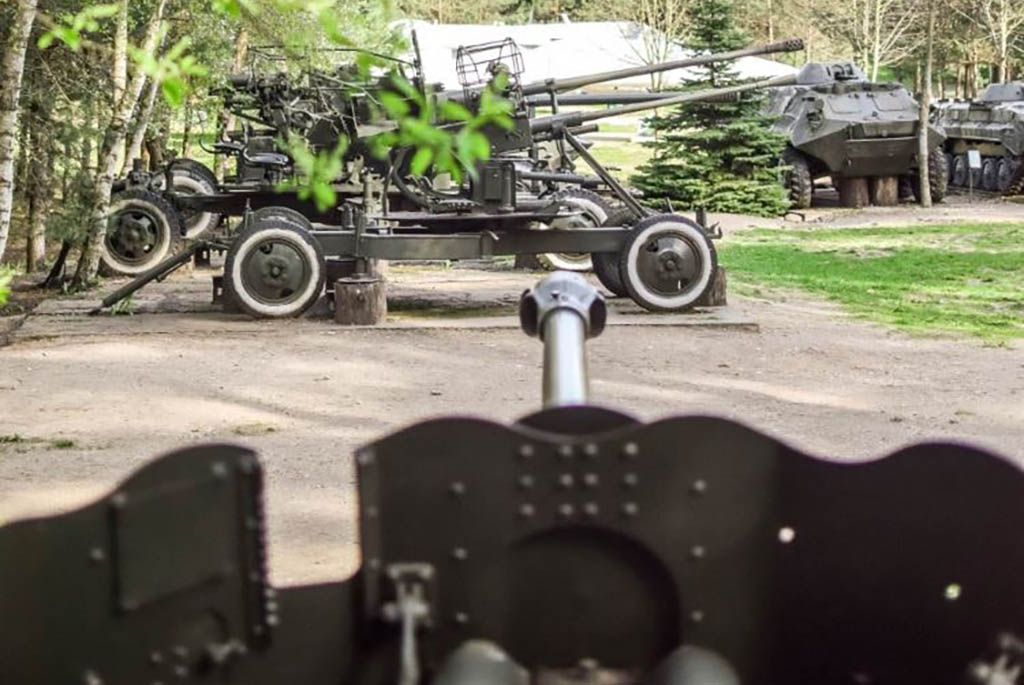
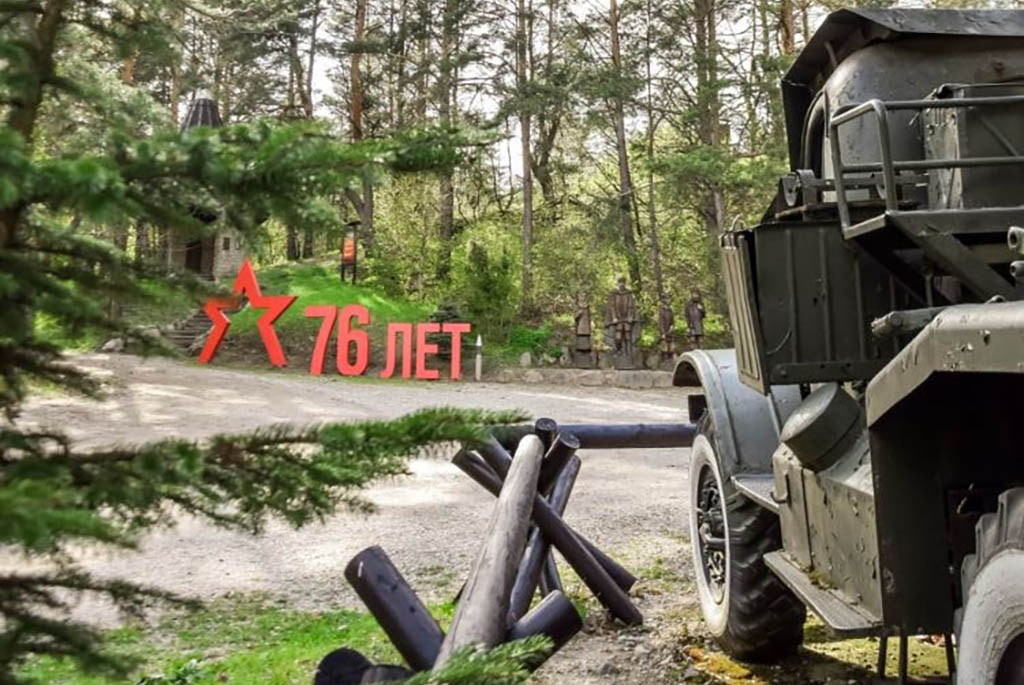
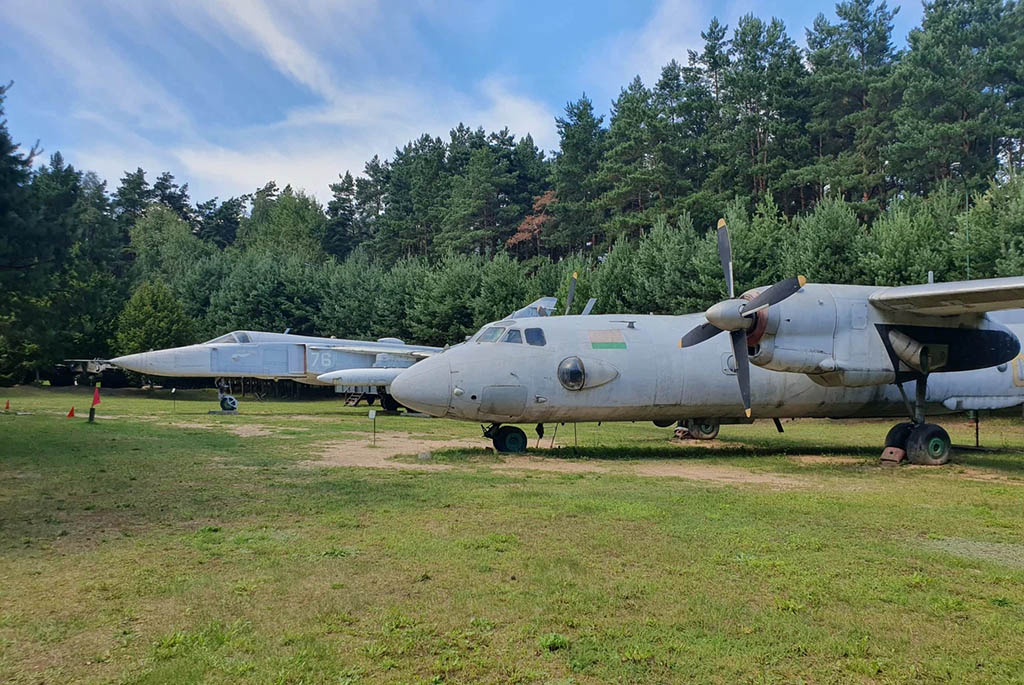
In memory of the events of the Great Patriotic War and the heroic deeds of the partisans, the historical-cultural complex "Grodno Fortress. Partisan Camp" was opened in 2011 in the village of Korobchitsy, located 5 kilometers from Grodno. It is an open-air tourist attraction that represents a partisan camp, recreated based on historical sources and the stories of veterans.
Part of the complex's exhibition is dedicated to the events of World War I. During the bloody battles of the early 20th century, the Grodno Fortress played a vital role in defending the state. Within the historical-cultural complex, visitors can see an anti-aircraft position from the World War I period and visit the fortifications of the Grodno Fortress.
Another part of the exhibition fully immerses visitors into the world of the Belarusian partisan movement during the Great Patriotic War. The campsite has recreated:
- Dugouts;
- Trenches;
- Dining hall;
- Printing press;
- Weapons workshop;
- Medical unit, where the wounded were treated with makeshift means;
- Forester's hut - forestry workers, who knew the secret forest and swamp paths, provided invaluable assistance to the partisans in their fight against the enemy;
- Forest school - improvised educational institutions were set up in the camps for the children of the fighters and village students.
The creators of the complex in Korobchitsy endeavored to accurately depict the partisan way of life. During the tour, visitors are invited to examine various wartime artifacts: typewriters, newspapers, photographs, musical instruments, soldier's ammunition, and radio communication equipment. Some items were brought to the museum by the veterans themselves.

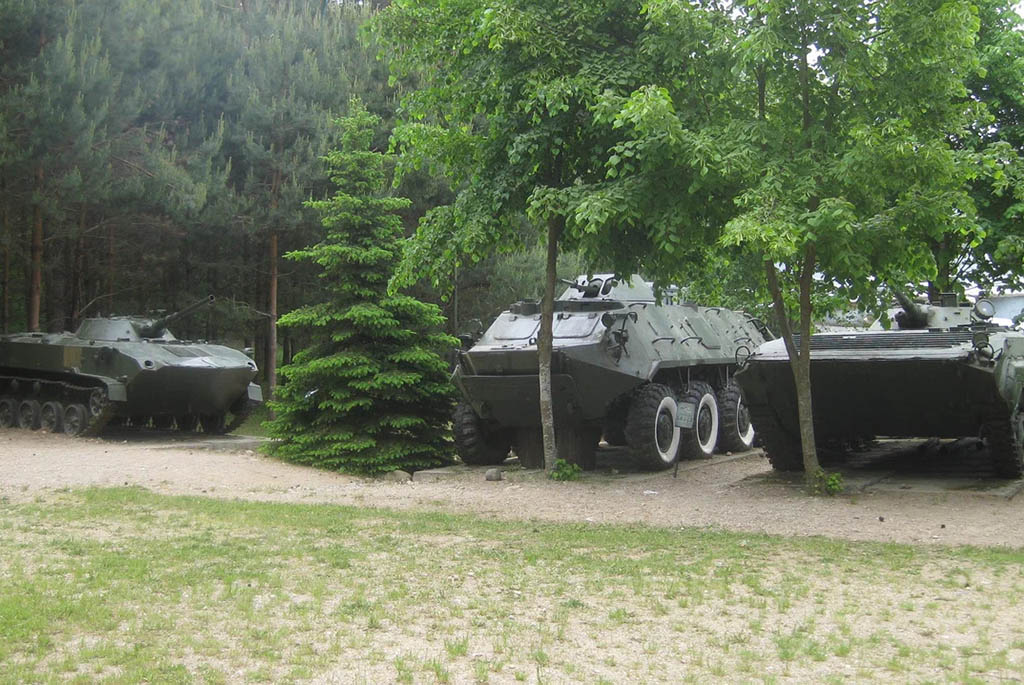
The tourist site also features:
- A laser tag arena;
- Cafe and restaurant;
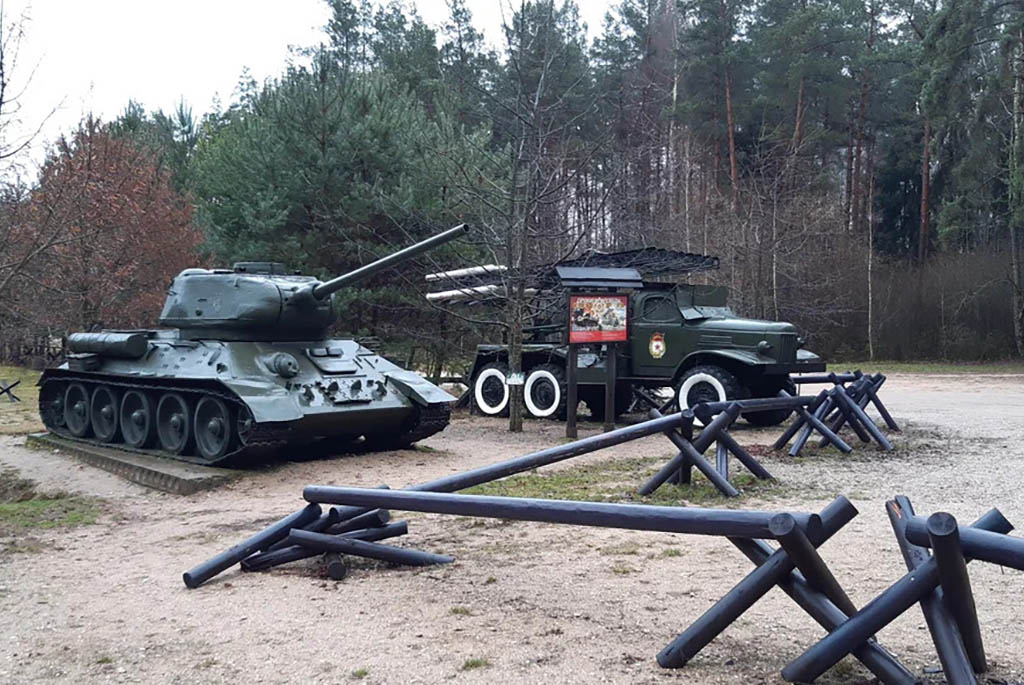
- An exhibition of Soviet military equipment, showcasing a T-34 tank, combat vehicles, anti-tank guns, anti-aircraft guns, mortars, and aircraft;
- Gazebos for relaxation.
The organizers of the partisan camp offer school students the opportunity to participate in a military field game called "Zarnitsa".
Suburban buses regularly run to Korobchitsy from the Grodno bus station, with the journey taking about 30 minutes. When visiting the "Grodno Fortress. Partisan Camp" complex, everyone can feel like a living participant in a recent historical era, filled with the struggle for the freedom and independence of our homeland.