Date :
Wednesday, November 15, 2023
In the Vitebsk region, within the territories of Miory and Sharkovshchina districts, lies the oldest lake-swamp complex of our country – Elnya.
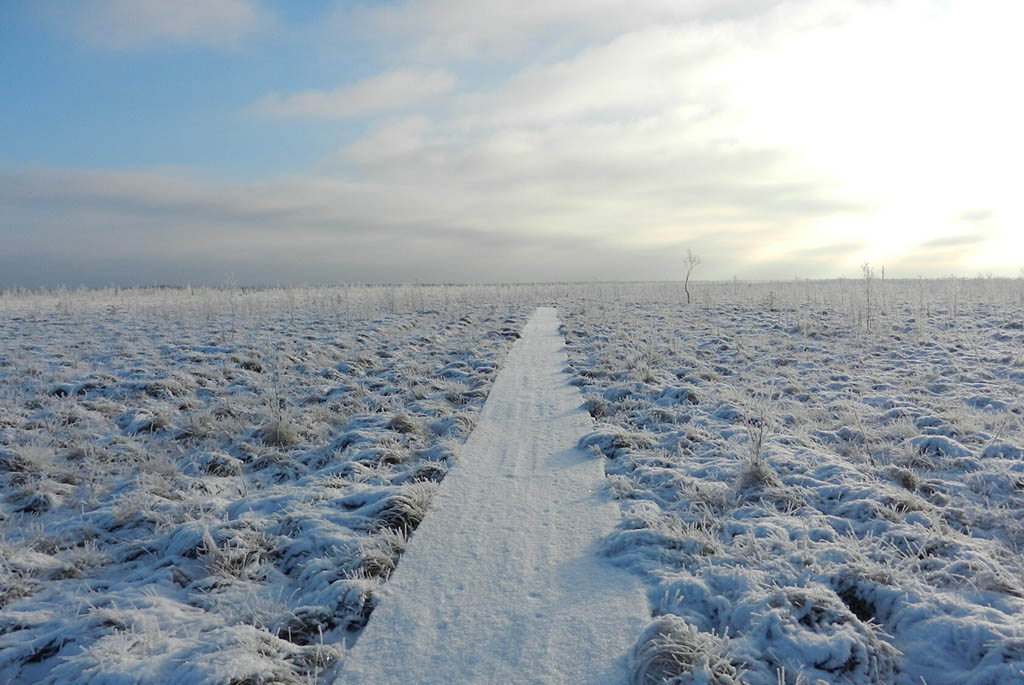
Its age is approximately 9,000 years. Once, a large body of water was located here, which over time underwent peat formation. In 1968, with the aim of preserving the unique swamp-peat massif and its ecosystem, the Elnya Republican Hydrological Reserve was founded here. A distinctive feature of the Elnya swamps is that they have preserved an unusual landscape and biodiversity, typical for the tundra.
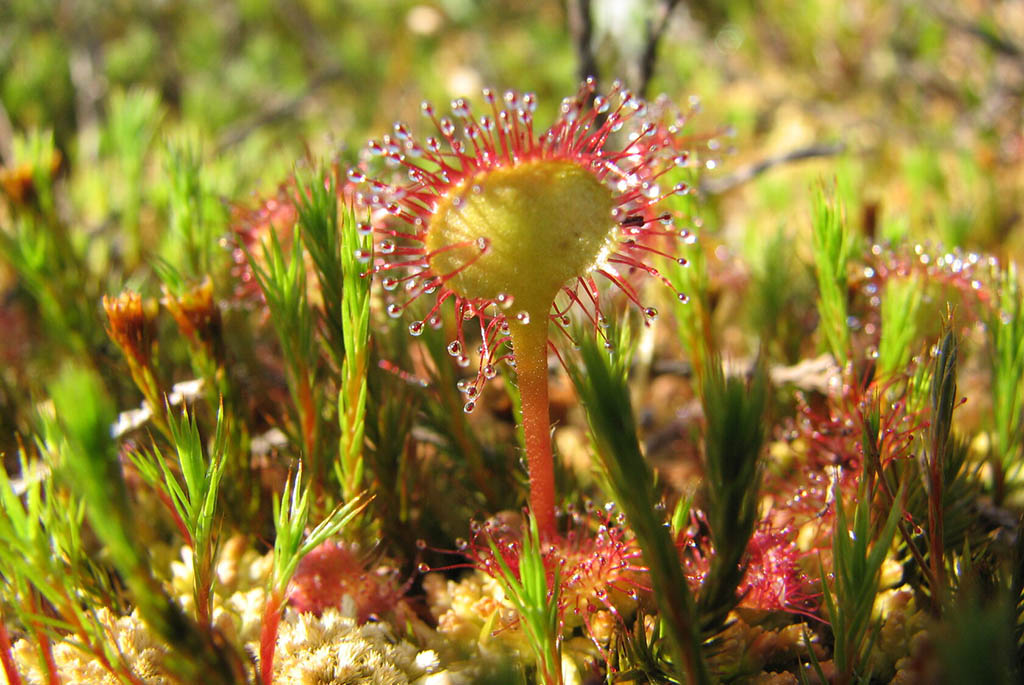
The total area of the reserve is just over 25 thousand hectares, of which almost 19 thousand are occupied by the Elnya swamp. In addition to raised bogs, zonal oak woods, coniferous and deciduous forests are located within the nature conservation complex, as well as more than 100 lakes, the largest of which are Chyornoe, Bereza, Beloe, Yazhginia, Bereza. The picturesque landscape of Elnya consists of a sequence of lakes, swamp-peat massifs, mineral islands overgrown with forest, shores covered with swamp vegetation - moss, heather, sundew.
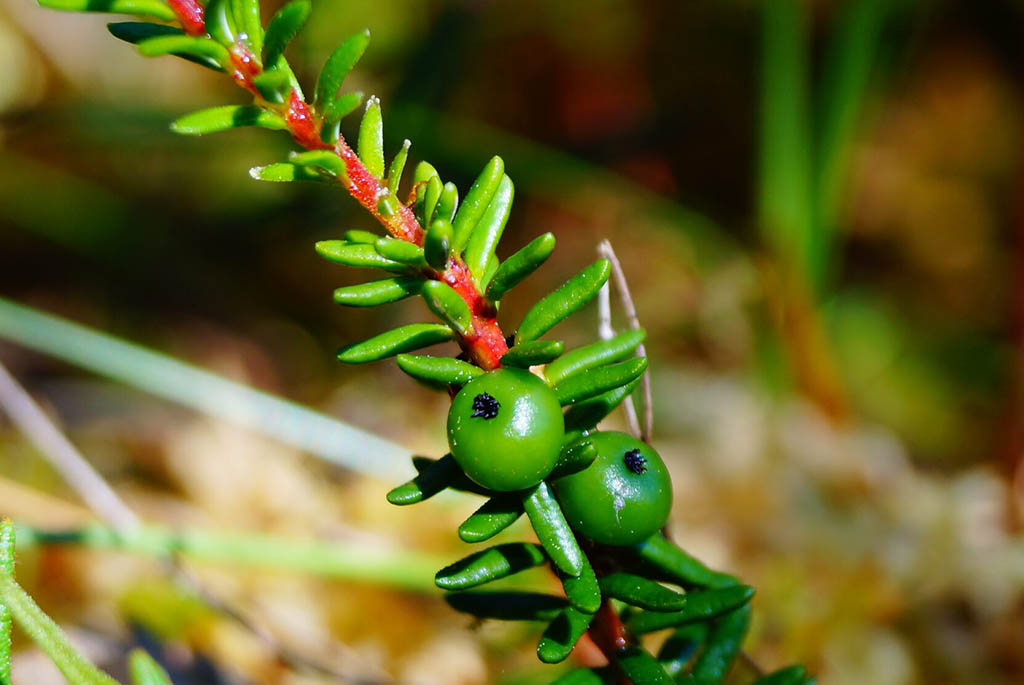
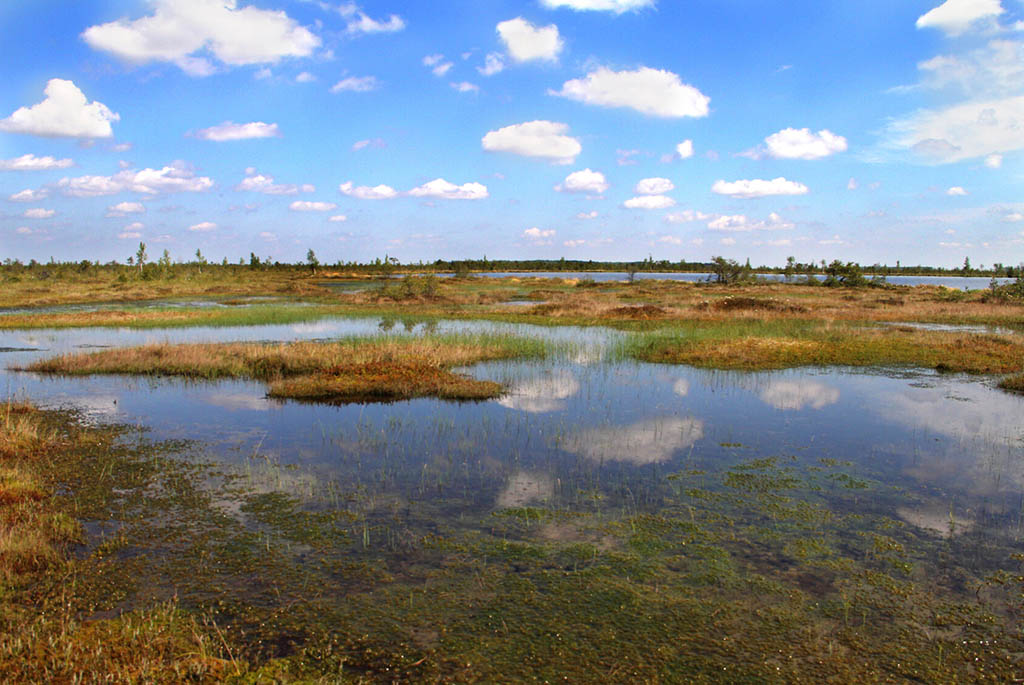

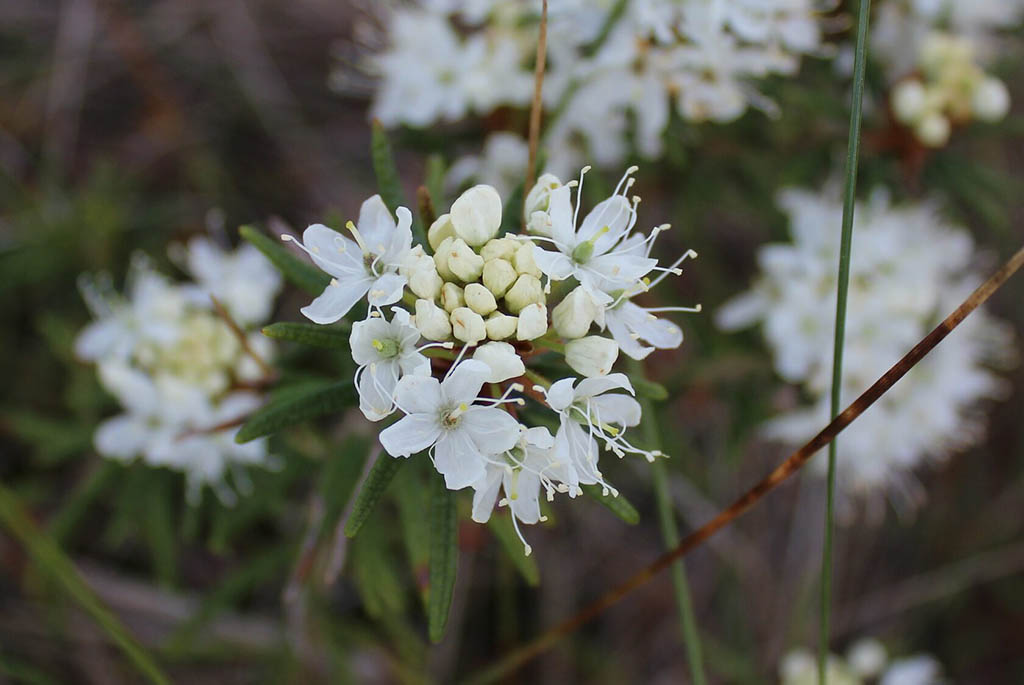
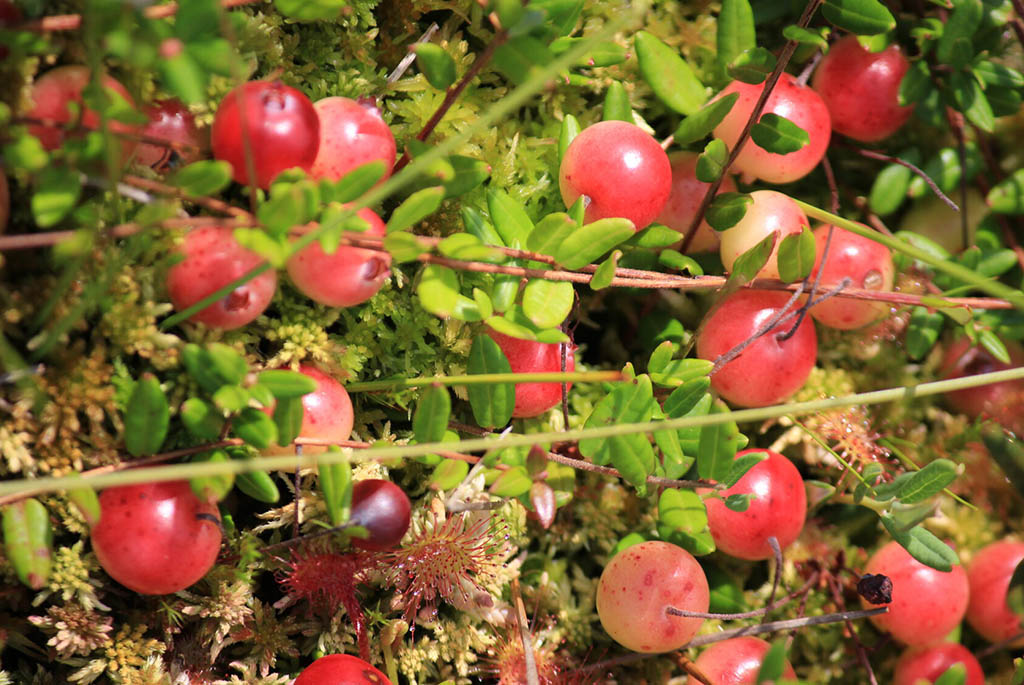
The "Elnya" swamp-lake complex is home to rare mammals, birds, relict plants, and insects. Among the red-listed animals, you can find badgers, and among the rare representatives of flora are the bilberry willow, cloudberry, bear onion, marsh arrow grass, sphagnum moss. Natural cranberry plantations also grow in the swamps. Among the disappearing bird species in Elnya are the black-throated loon, white partridge, black stork, grey gull.
The Elnya swamp massif plays an important role in bird migration. About 20 thousand waterfowl individuals land in the territory of Elnya during seasonal migrations. The wetlands of the reserve have been protected by the Ramsar Convention since 2002.
What can a tourist do in the Elnya reserve?
The Republican Landscape Reserve operates not only as a center for nature conservation but also as a location for ecotourism. The number of people visiting Elnya for tourist purposes is growing every year.
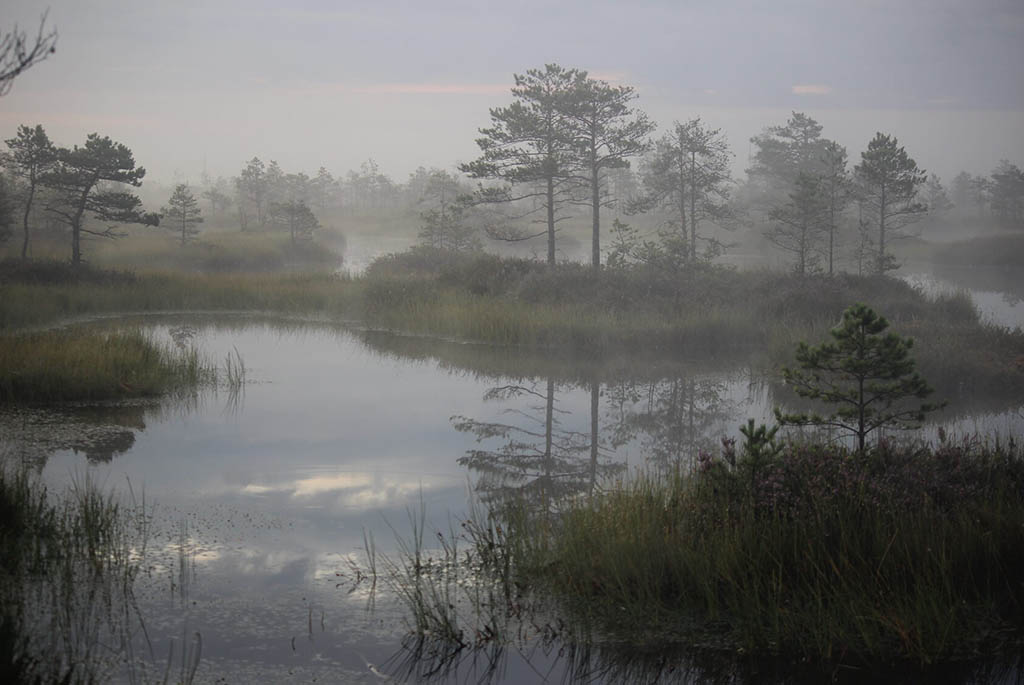
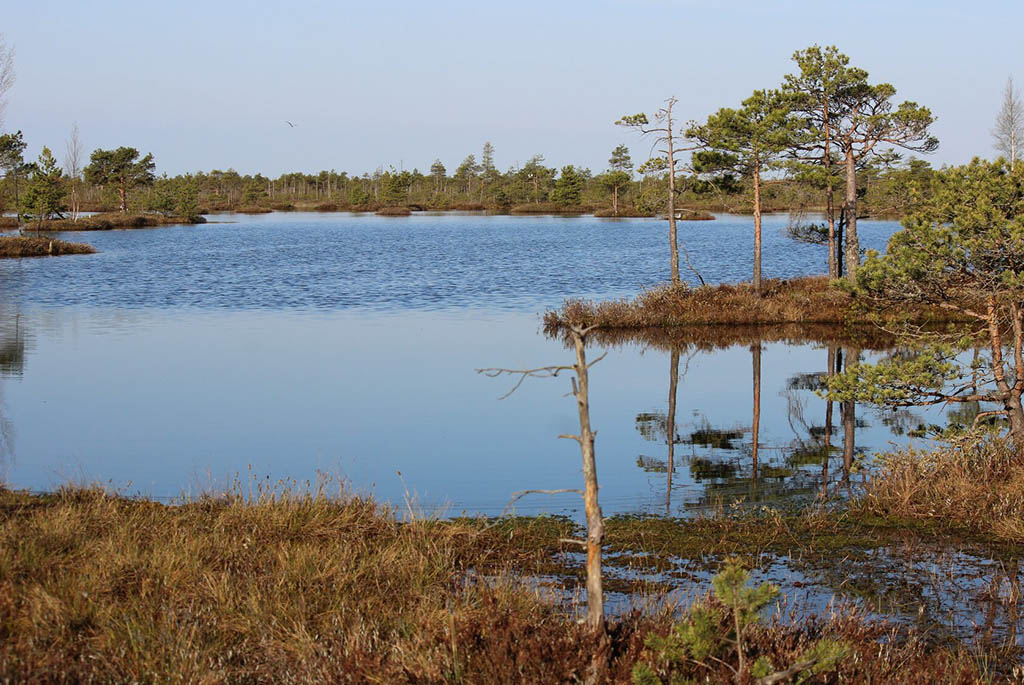
The reserve offers visitors the following activities:
- Walking and cycling along ecological trails.
- Hiking routes through high and transitional swamps, including overnight stays. Tourist equipment can be rented directly at the reserve.
- Visiting the ecological center in Miory, where workshops, games, and interactive activities on eco-topics are held, as well as nature film screenings. Inside the center, there are game terminals and stands telling about the natural diversity of the reserve.
- Entomological excursions - observing the world of insects accompanied by a professional entomologist scientist.
- Birdwatching for cranes, displaying black grouse, and other feathered inhabitants of Elnya. Every September, the "Cranes and Cranberries of the Miory Region" festival is held in Miory, based at the reserve.
- Swamp trekking on swamp shoes or trips on special vehicles - marsh rovers.
The landscape reserve can be visited both independently and with experienced guides. The most favorable time to visit the Elnya swamps is from May to October. To get to the reserve, you first need to get to Miory. The journey from Minsk will take about 4 hours, and there are regular buses from the capital to the settlement. When visiting the reserve, consider weather conditions, wear comfortable shoes, and do not forget to bring drinking water and repellents.