Date :
Thursday, June 22, 2023
The Sapieha family was one of the most famous and influential noble families in the Grand Duchy of Lithuania and the Polish-Lithuanian Commonwealth. Representatives of the dynasty left a significant mark in the political, social, and cultural life of Belarus. The Sapiehas built castles and mansions, supported churches and educational institutions, patronized artists and writers.
The peak of the family's power came in the 17th century - its members represented a powerful military and political force that even the king had to reconcile with. Over time, as a result of aristocratic feuds and changes in the political situation, the Sapieha family weakened and lost its former power. By the end of the 18th century, they were deprived of their possessions and privileges. However, to this day, the Sapieha family remains for Belarusians a symbol of the rich cultural elite that made a significant contribution to the development of the country.
The history of the palace in Ruzhany
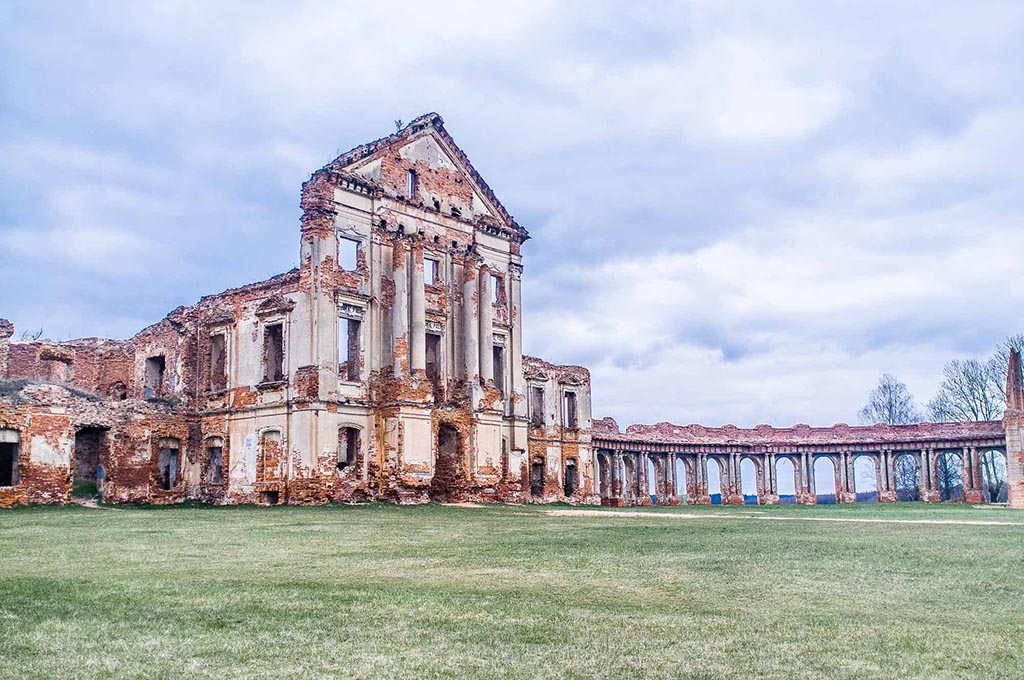
One of the architectural monuments left to the descendants by the Sapieha family is the Palace complex in Ruzhany. The small town of Ruzhany, located in the territory of modern Brest region, is mentioned in the annals at the end of the 15th century. In 1598, its owner became the Chancellor of the Grand Duchy of Lithuania, Lew Sapieha, who immediately began the construction of the castle. In 1602, the construction was completed. The chancellor's residence was a monumental defensive structure with three towers. The layout of the building was reminiscent of the Palace of Versailles, the residence of the French kings. The centerpiece of the composition was a cross-shaped stone palace. The ceremonial hall and the vestibule were located in its central part, the living rooms, a library and a study in the side parts, weapons, archival documents and food supplies were stored in the basement.
For many years, the Sapieha Palace played a significant role in the political life of the Grand Duchy of Lithuania. The wealthiest people in the state stayed here, important ceremonial receptions were held, and the residence was repeatedly visited by royal persons. For some time, even the state treasury of the Grand Duchy was stored in the castle. There is the reason to believe that it was in the Ruzhany Palace that False Dmitry I was hiding during the preparation of the invasion of the Polish-Lithuanian Commonwealth into Moscow.
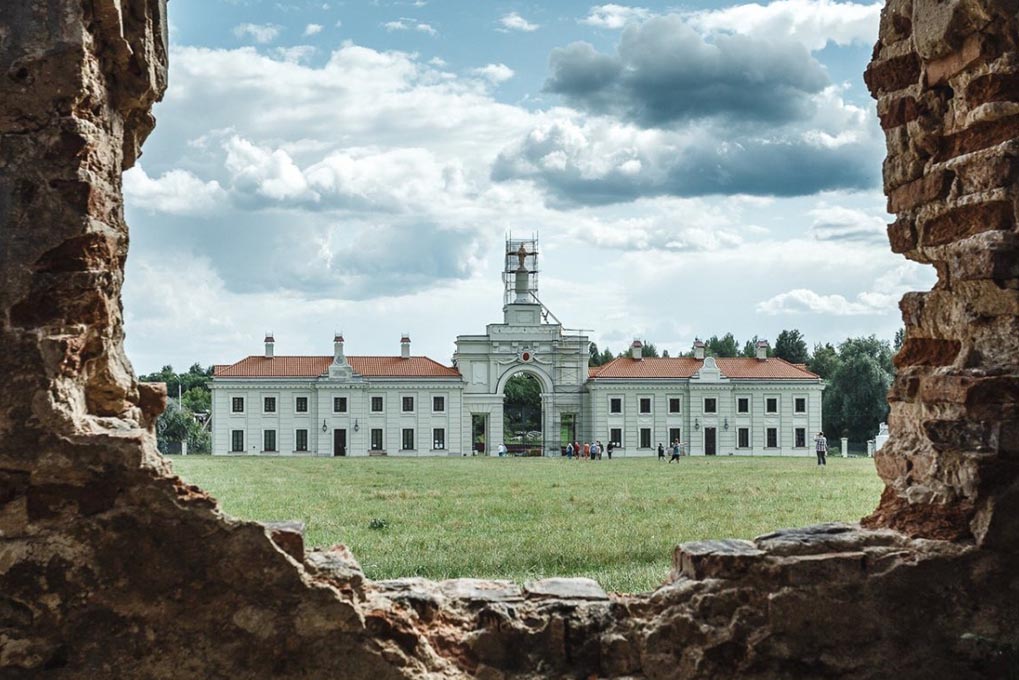
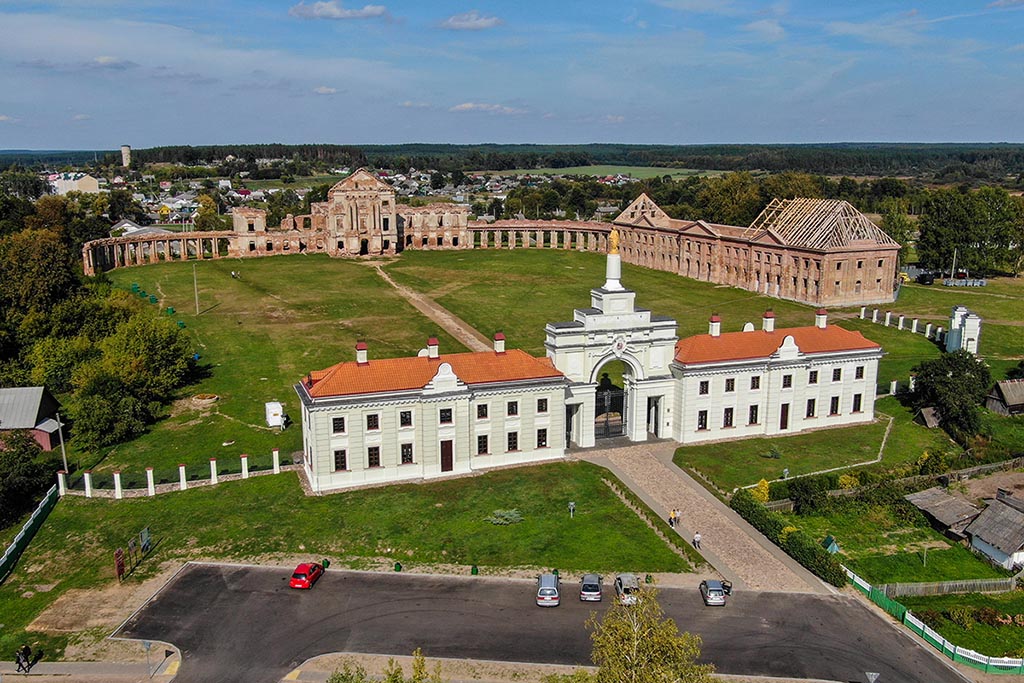
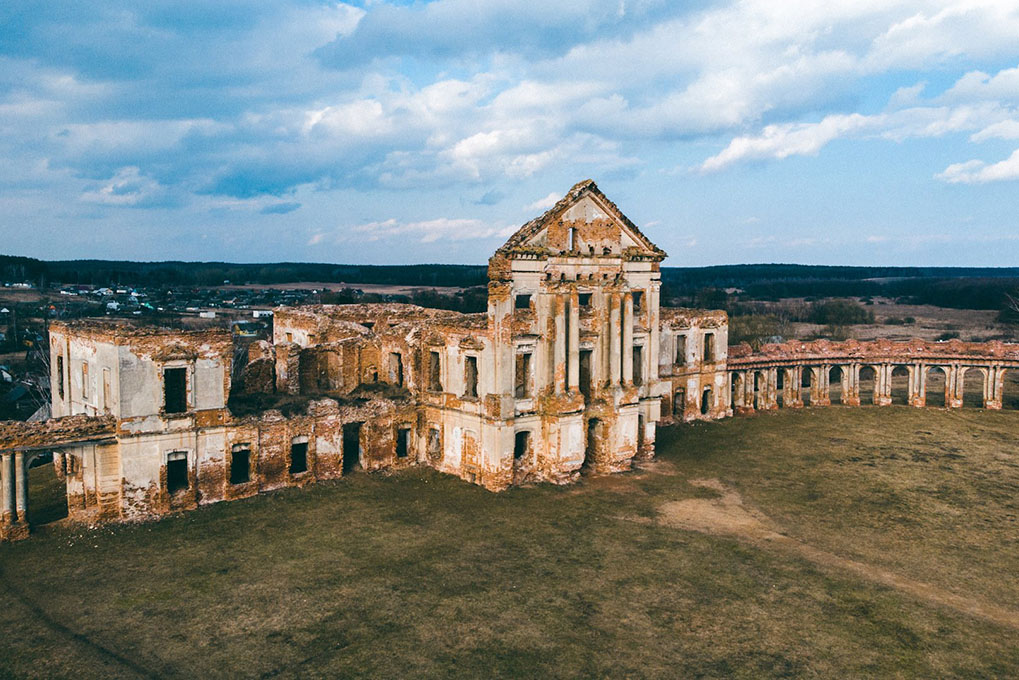
Wars with Russia and Sweden inflicted significant damage on the building. At the end of the 18th century, the castle was rebuilt by the court architect J. Becker. He also designed the scenic landscape park surrounding the palace. The owner of the estate at that time was Alexander Mikhail Sapieha. Under him, the residence was transformed from a defensive castle into a secular palace in the classicist style with elements of Baroque. A picture gallery appeared in the building, and a private theater began to operate. The entrance gate, decorated with the family's heraldry, resembled a triumphal arch. The wings that adjoined the gate housed the guard and the princely chancellery. The side wings of the palace contained a gallery, a library and a theater. The residence of the magnate family came to resemble Versailles even more. The grandeur of the building can be seen even in the ruins that remain today.
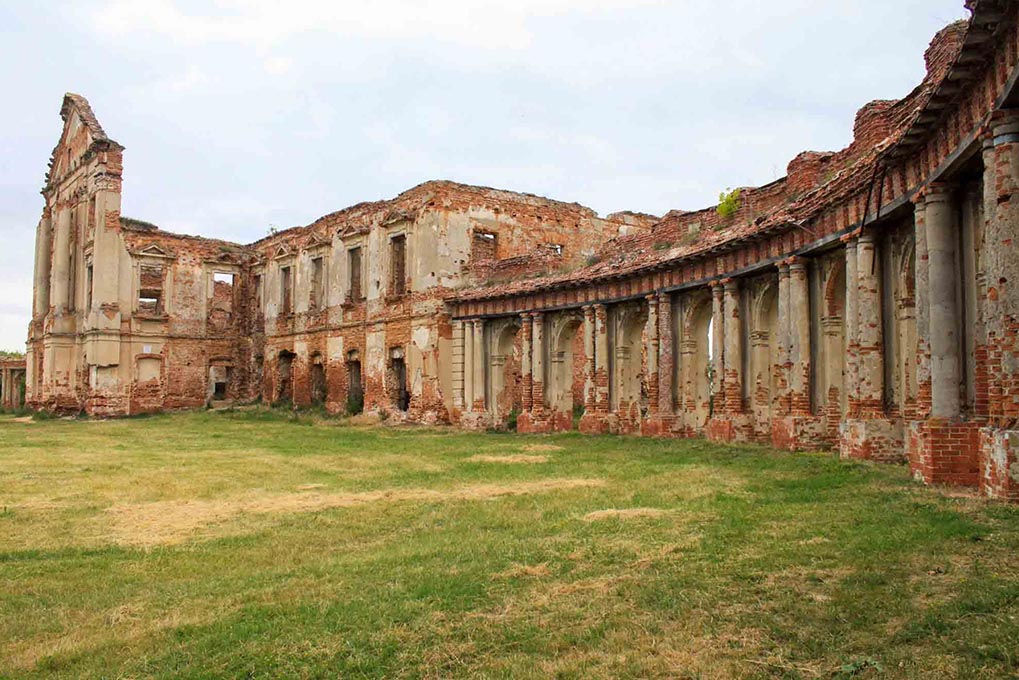
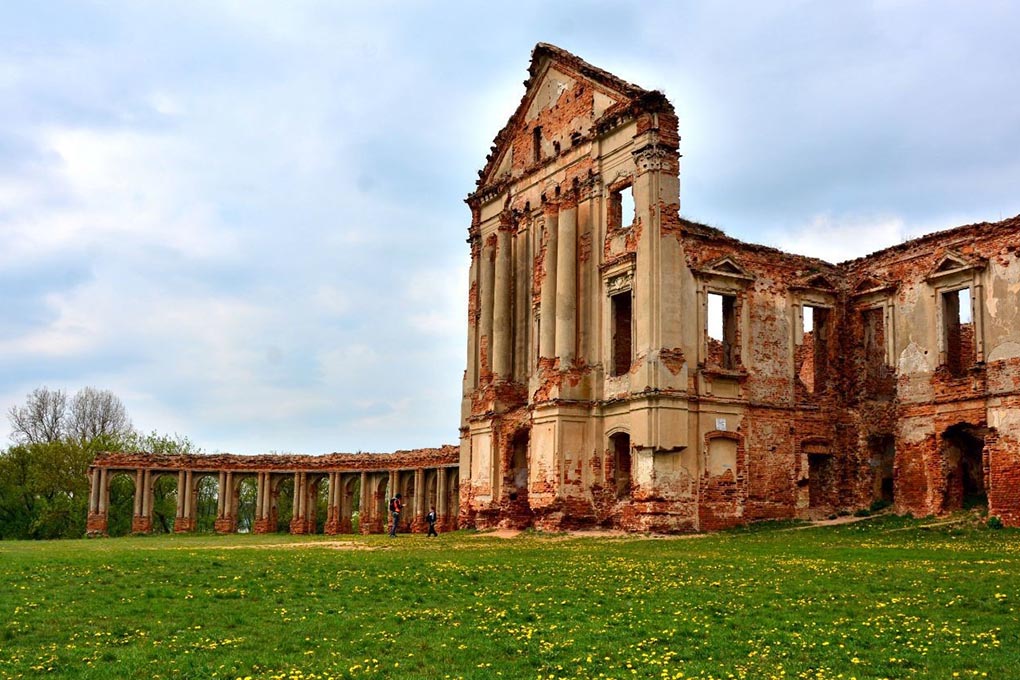
After the partitions of the Polish-Lithuanian Commonwealth, the Sapieha family gradually lost its former power. The palace was rented out and housed a woolen factory. At the beginning of the 19th century, valuables stored in the residence, including the unique library, were confiscated by the Russian authorities and taken to Moscow.
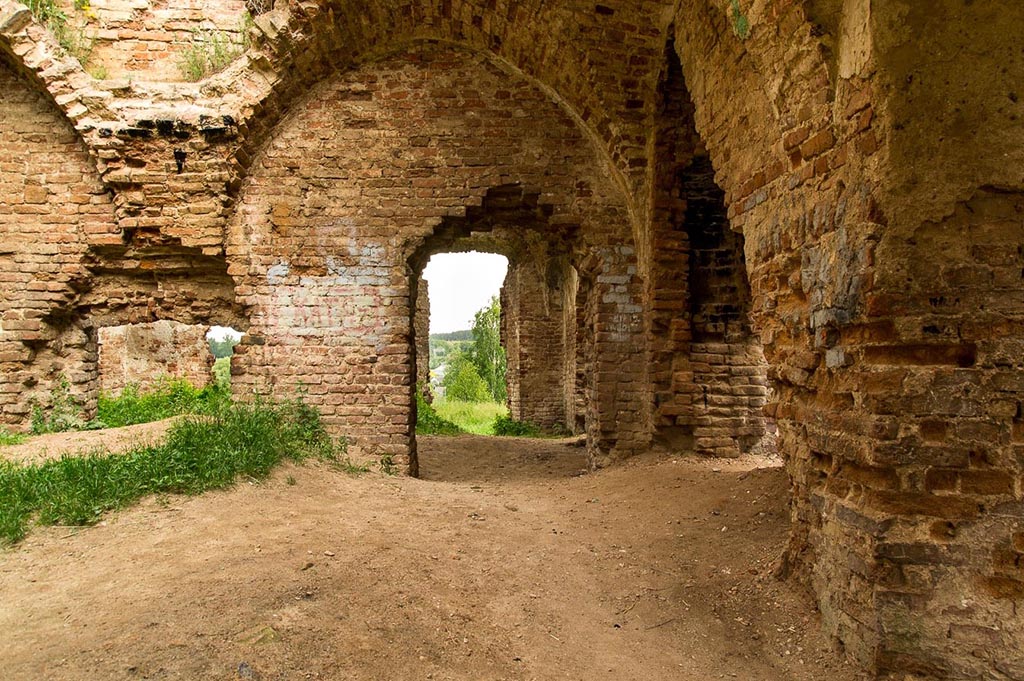
Fires that occurred in the early 20th century and two World Wars finally destroyed the Sapieha estate. After the victory over the fascists, the remaining buildings of the palace complex began to fall into disrepair, and local residents gradually dismantled the walls for their own needs.
In 2008, excavations and restoration work began on the complex site. The archival drawings of J. Becker served as the basis for the restoration of the palace complex. At the moment, the restoration is not yet complete, and there are no plans for a full restoration of the Sapieha residence.
«The Belarusian Versailles» today
Today, two wings and the entrance gate have been restored, and the eastern building is under restoration at the former Sapieha estate. A museum operates on the territory of the palace complex, where exhibitions are dedicated to the Sapieha family and the historical and cultural heritage of Ruzhany. Among the museum exhibits are heraldic cartouches, decorations, dishes, books, paintings, coins, furniture, and household items from the 17th to 19th centuries. Theatrical performances and historical reconstructions take place in the ancient interiors of the 17th-18th centuries. If desired, you can host a wedding or other celebration here in the medieval style.
There is a souvenir shop on the territory of the complex, where you can buy ceramic, linen, and straw products made by Belarusian craftsmen as a memento of Ruzhany.
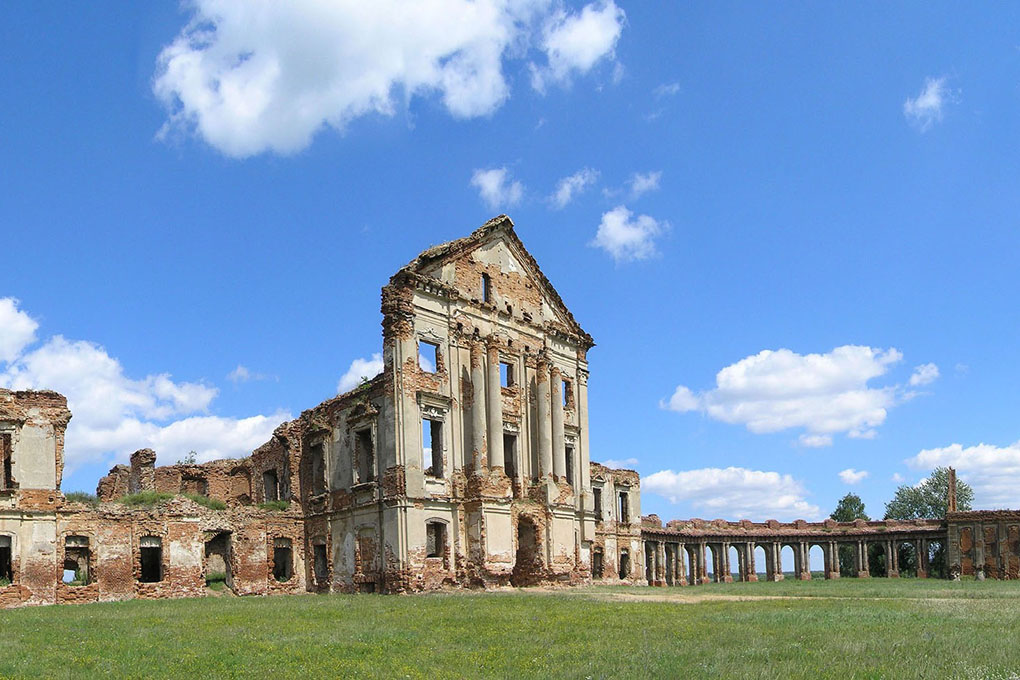
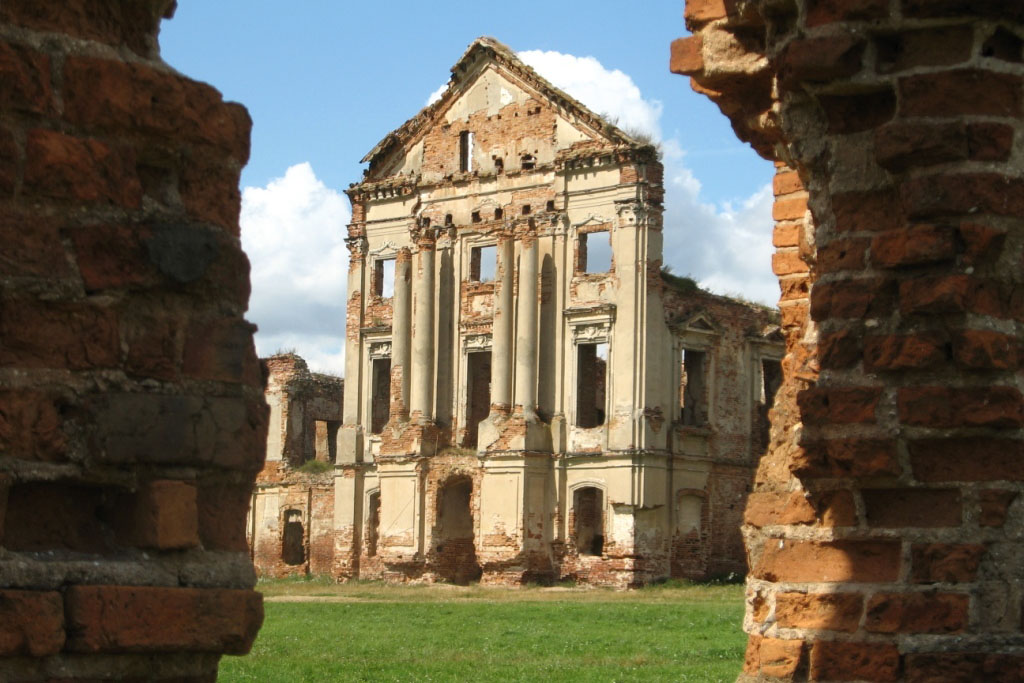
To reach the Sapieha Palace, you can take a train to Ivatsevichi, then catch a bus to Ruzhany. If you are traveling from Minsk by car, you should go along the Moscow-Brest highway to the turn for Ivatsevichi, then follow the sign to Ruzhany. The Ruzhany Palace complex is open from Wednesday to Sunday, with Monday and Tuesday being days off.