Date :
Thursday, November 27, 2025
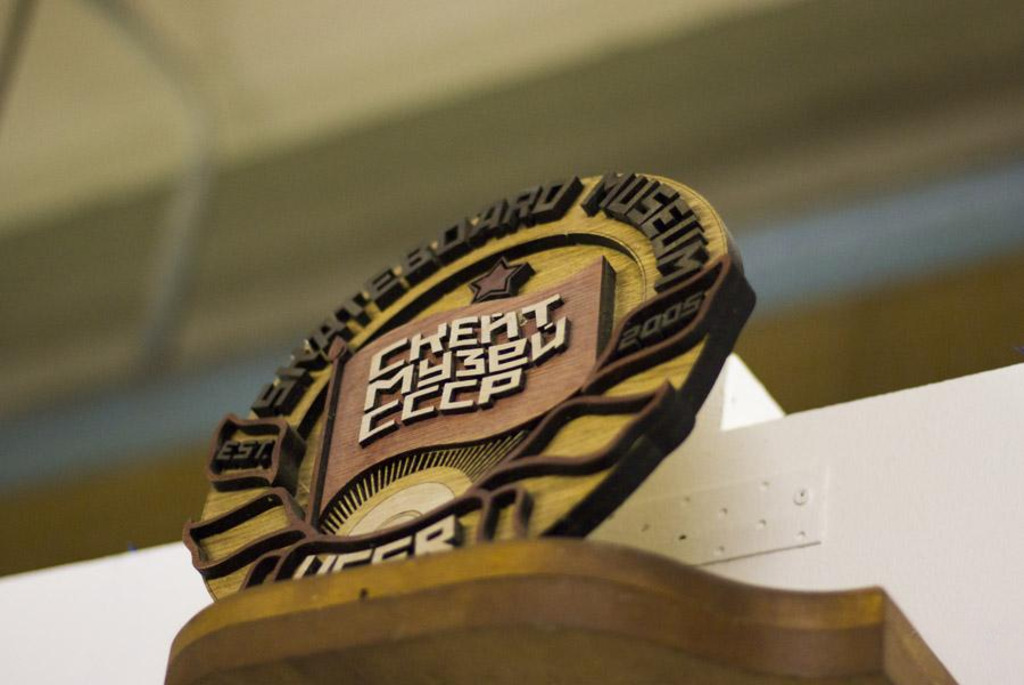
In Minsk, there is a space that fascinates both devoted fans of skate culture and those who simply enjoy unusual museums. The Skate Museum of the USSR is the only museum in the entire post-Soviet region fully dedicated to the history of skateboarding. It is a place where rare Soviet boards stand side-by-side with international models, and the stories of the first attempts at riding grow into a complete narrative about the evolution of an entire subculture.
The museum was founded by enthusiast and researcher Gleb Bentsiaŭski, who began collecting items in 2005. At that time, he had only a few Soviet skateboards, but over the years the collection has grown into one of the largest thematic exhibitions in Europe.
How the Idea of the Museum Emerged
It all began with a personal story: Gleb’s first skateboard, received in the late 1980s, and his fascination with a culture that was just beginning to form across the USSR. Later he started searching for lost models, rare components, factory blueprints, documents, as well as memories and photographs from those who skated at a time when boards had to be made by hand.
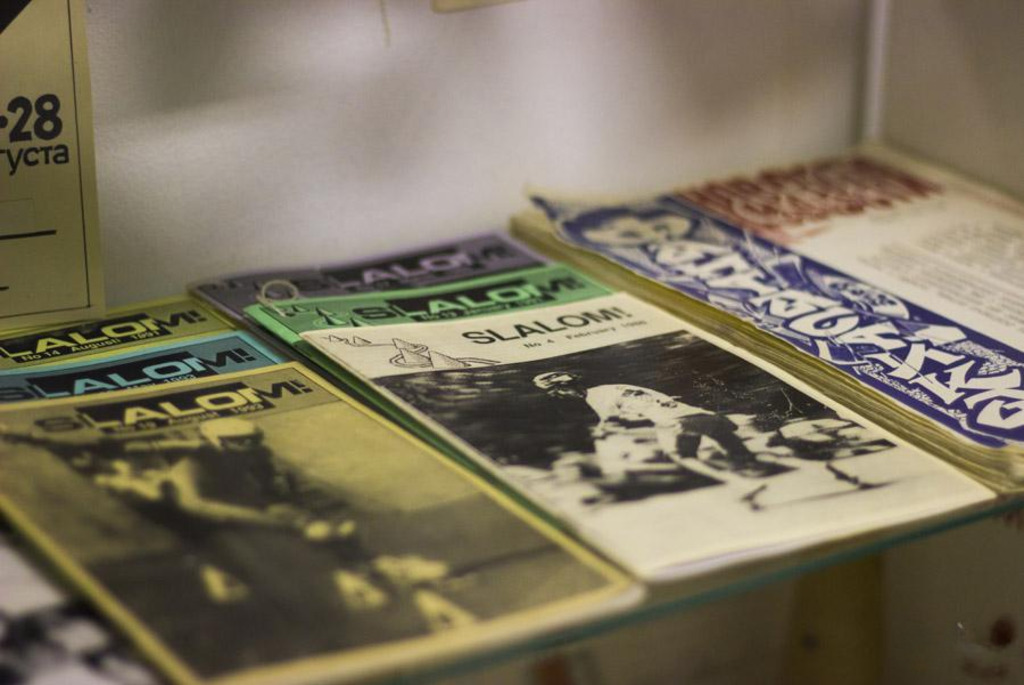
The collection expanded for many years – some people brought boards found in attics, others shared video recordings, and some donated rare magazines with diagrams and instructions. Eventually, it became clear that the amount of material required a fully developed museum space.
What You Can See in the Skate Museum of the USSR
Today the collection includes more than a thousand exhibits, among them hundreds of original skateboards. The exhibition is divided into several thematic zones that allow visitors to immerse themselves in the history of skateboarding from the mid-20th century to the present.
Main Exhibition Sections
Great Milestones
A look at the history of global skateboarding – from the first handmade boards to modern professional models. It shows how materials, technologies, and riding styles have transformed over time.
SovSkateProm
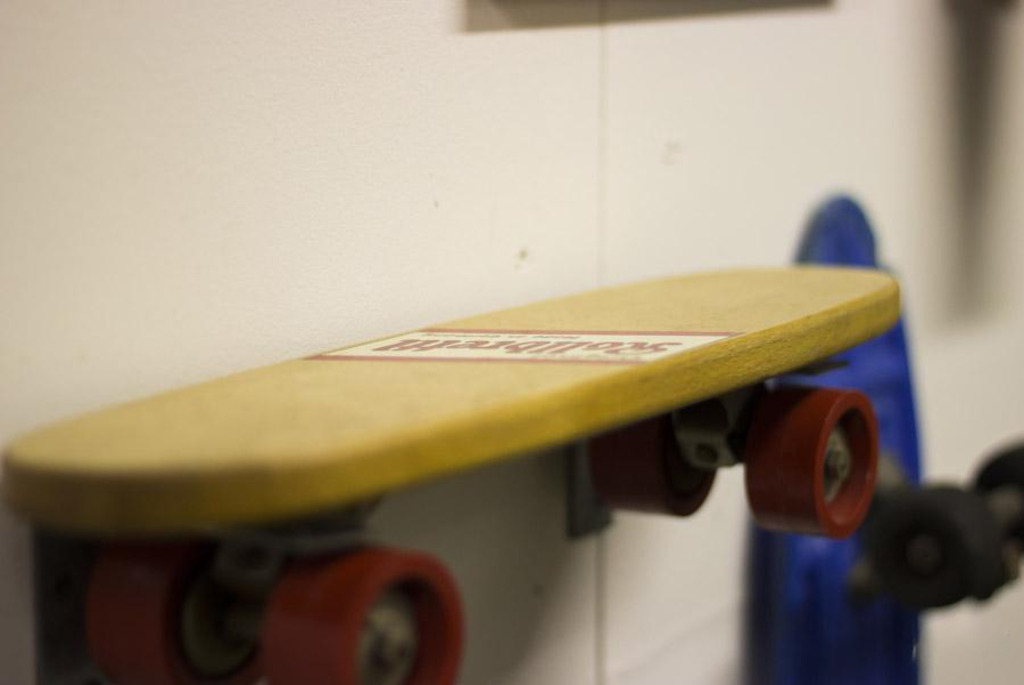
One of the most popular sections. It features Soviet-made models, trucks, wheels, accessories, as well as rare boards produced by factories that had no prior connection to sports equipment manufacturing.
Belarusian Corner
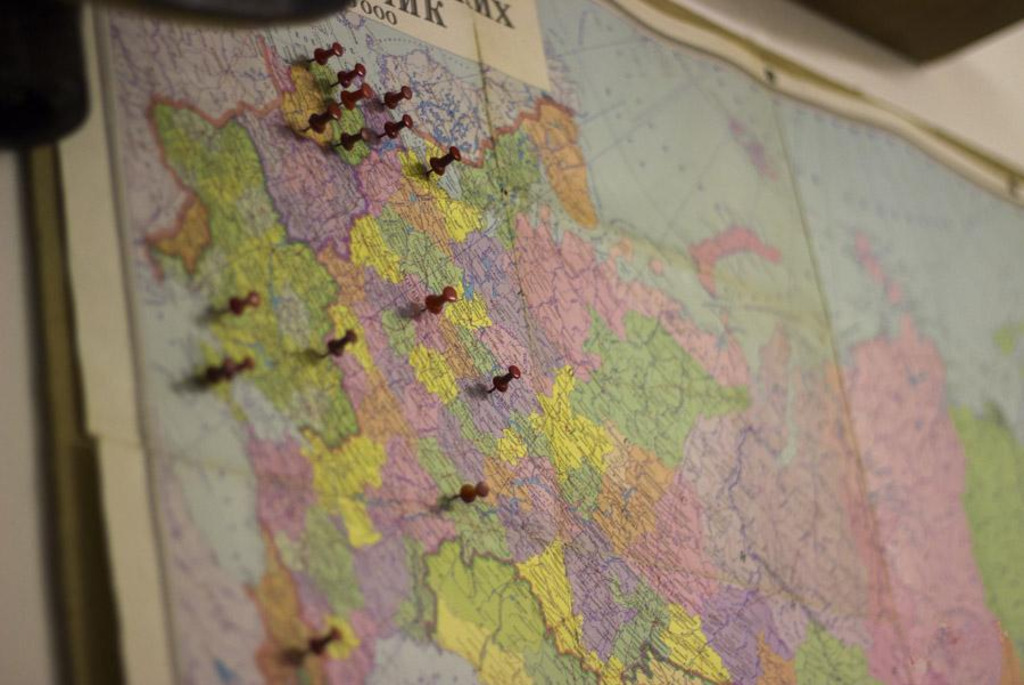
Materials dedicated to the development of skateboarding in Belarus: photographs from the first competitions, early video recordings, and stories from the participants of local skate communities.
Achieving the Impossible
A collection of homemade boards. In the USSR, many people created skateboards themselves: cutting them out of plywood, carving wheels, or inventing constructions that could have become prototypes for mass production.
Skateboarding as Art
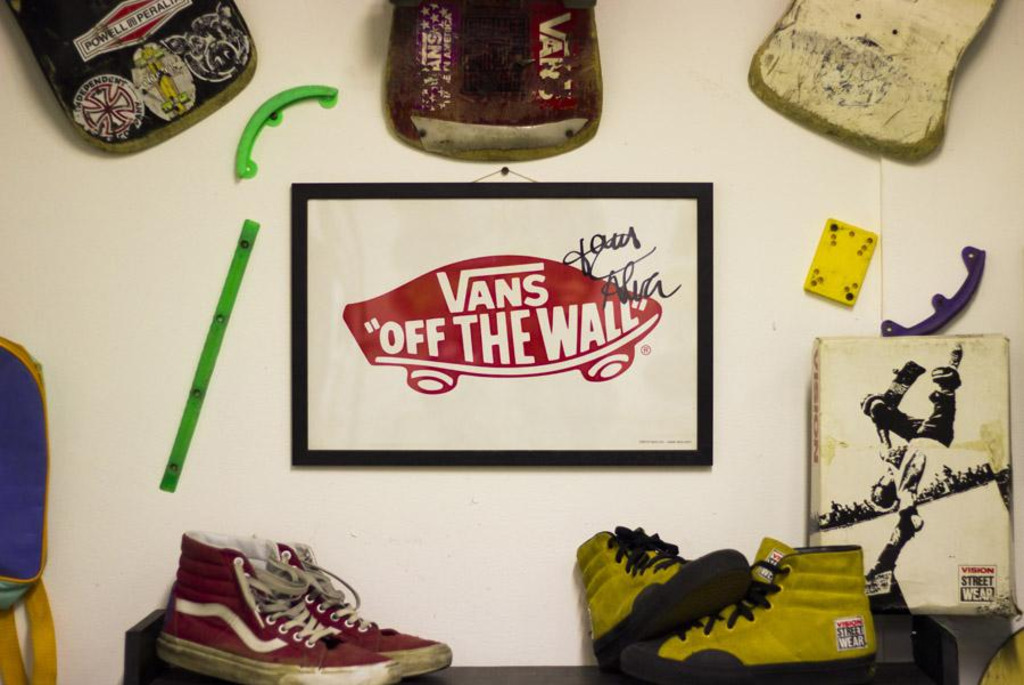
Art objects, posters, designs, and visually distinctive boards that became symbols of skate culture.
Along with skateboards, the museum holds blueprints from Soviet magazines, an extensive photo archive, unique video materials, official documents, souvenirs, competition posters, and other memorabilia. It’s a genuine journey into the era when skateboarding was evolving from a backyard pastime into an independent cultural phenomenon.
Why You Should Visit the Museum
The Skate Museum of the USSR is not just an exhibition – it is a living space where lectures, temporary exhibitions, themed meetings, and educational programs take place regularly. Here you can learn:
• what the first Soviet skateboards looked like;
• why skateboarding was not considered a sport for many years;
• how the movement developed in Belarus;
• which rare exhibits have survived only in this collection.
The museum will appeal to:
• teenagers and adults interested in skateboarding;
• families – children especially enjoy the bright colors and unusual shapes of the boards;
• tourists looking for non-standard attractions;
• anyone interested in Soviet culture or the history of subcultures.
The museum’s atmosphere allows you to feel a connection between different generations of skaters and immerse yourself in the spirit of the 1980s–1990s.
A Space That Continues to Grow
The museum actively expands its collection, collaborates with former Soviet skaters, organizes traveling exhibitions, educational events, and works on new interactive zones. Its continuous development makes it an even more engaging and dynamic place.