Date :
Tuesday, August 20, 2024
A visiting workshop on the development of regional tourism within the framework of the VIII International Festival of Ethnocultural Traditions "Polessye Calling" was held in Gomel region.
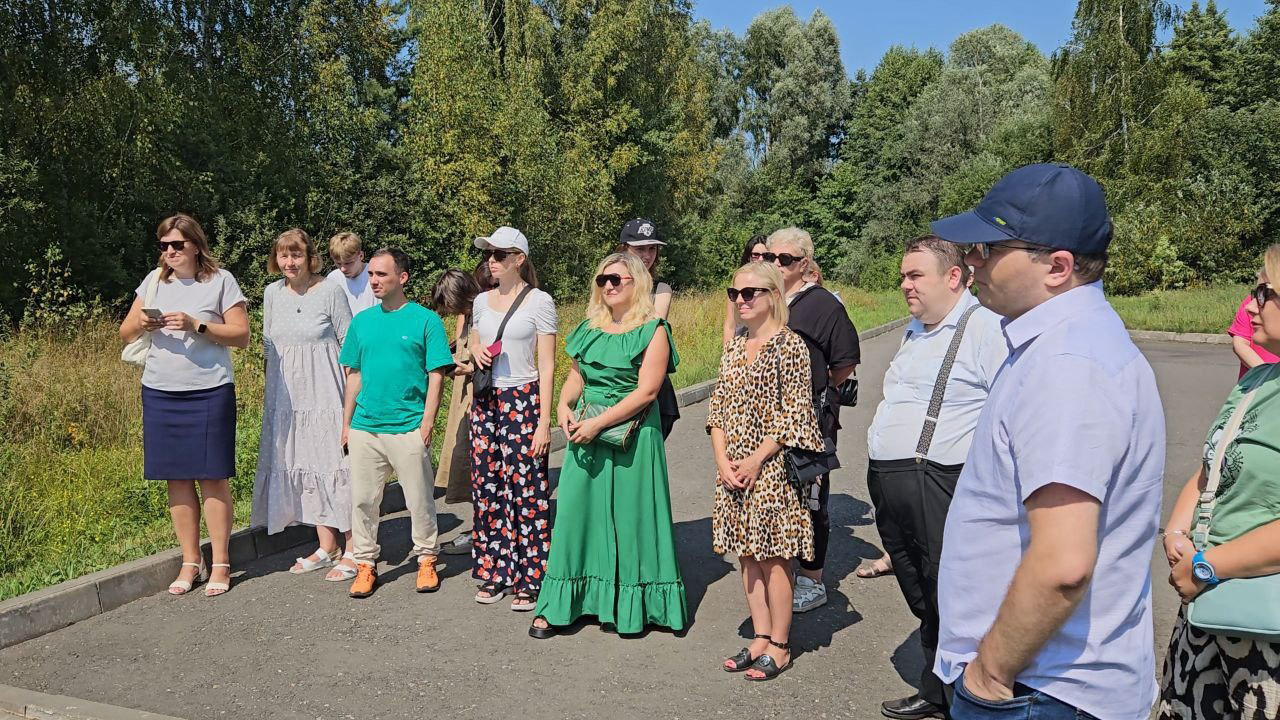
The working group was headed by Deputy Minister of Sports and Tourism Oleg Andreychik. The event was attended by a representative of the Council of Ministers' Office Gennady Khodor, employees of the Department of Tourism of the Ministry of Sports and Tourism, the National Tourism Agency, tourism industry specialists, as well as tour guides and guide-interpreters.
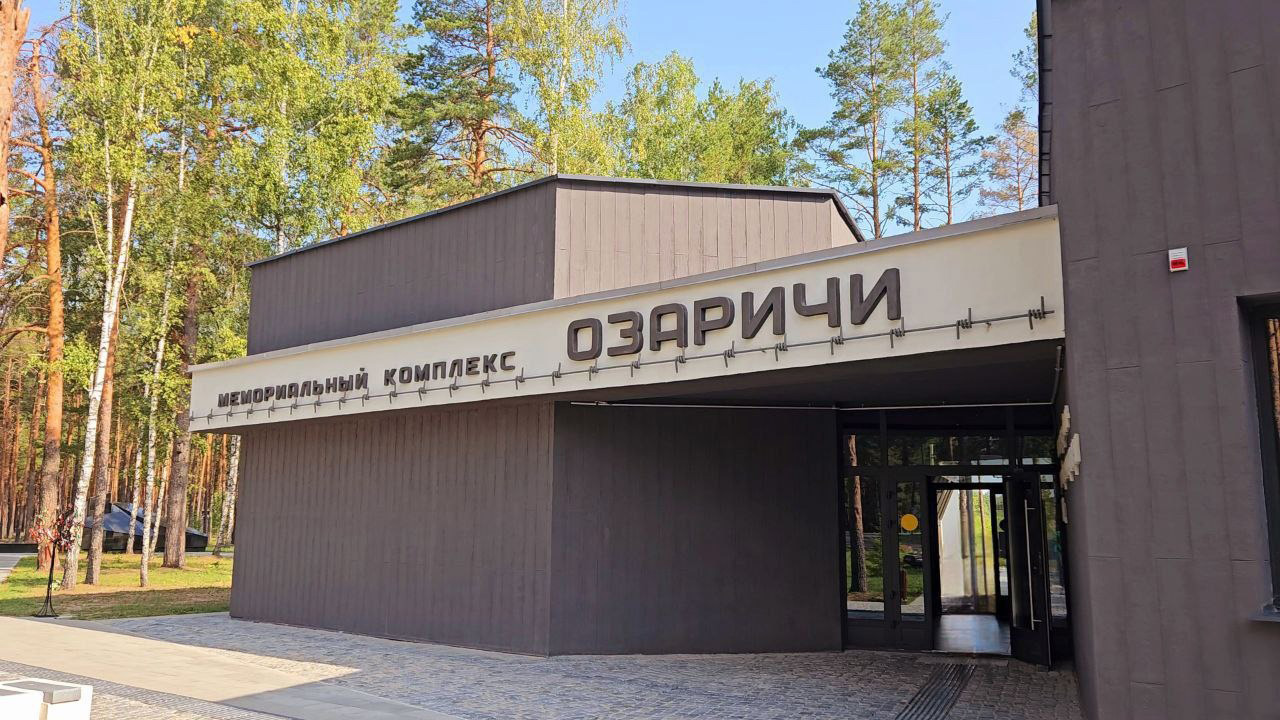
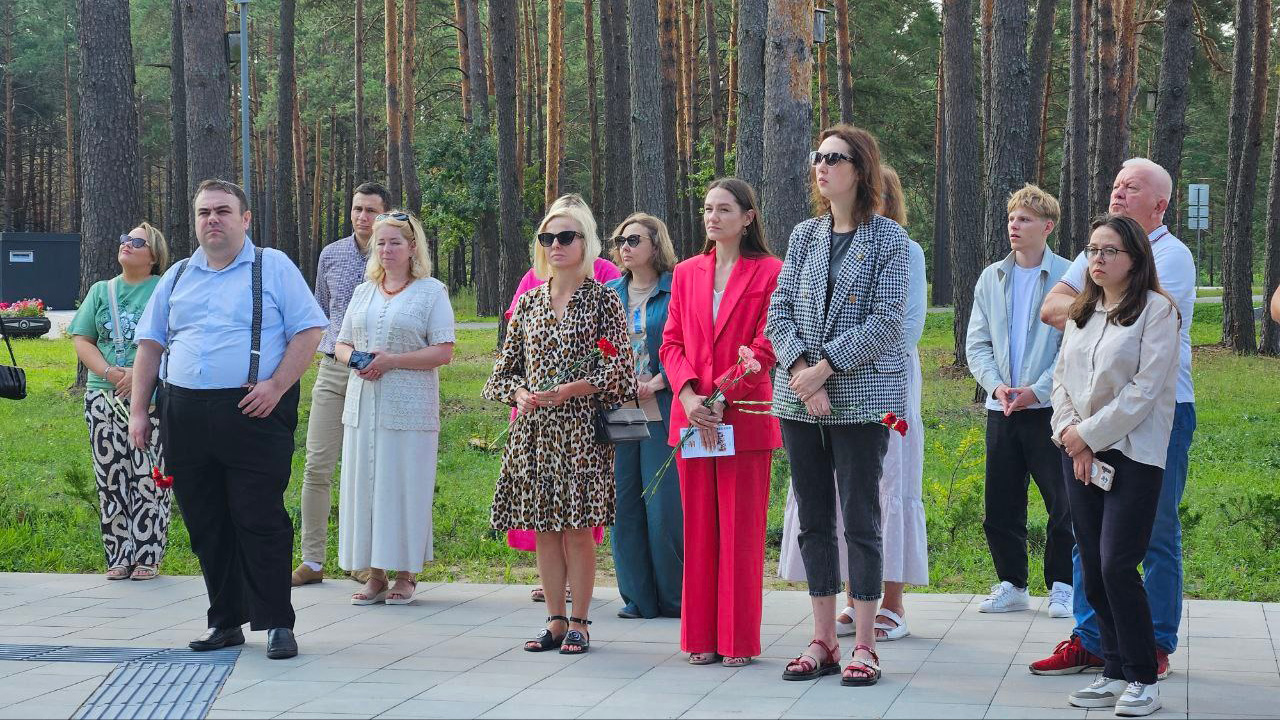
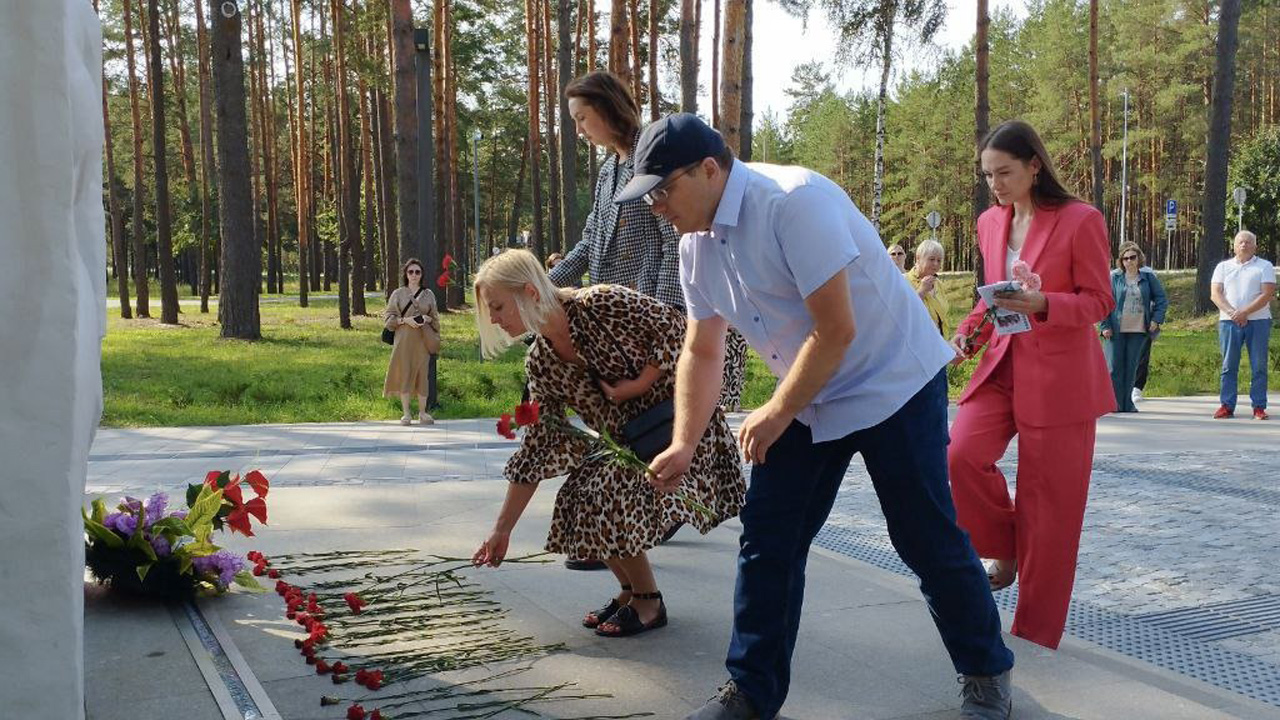
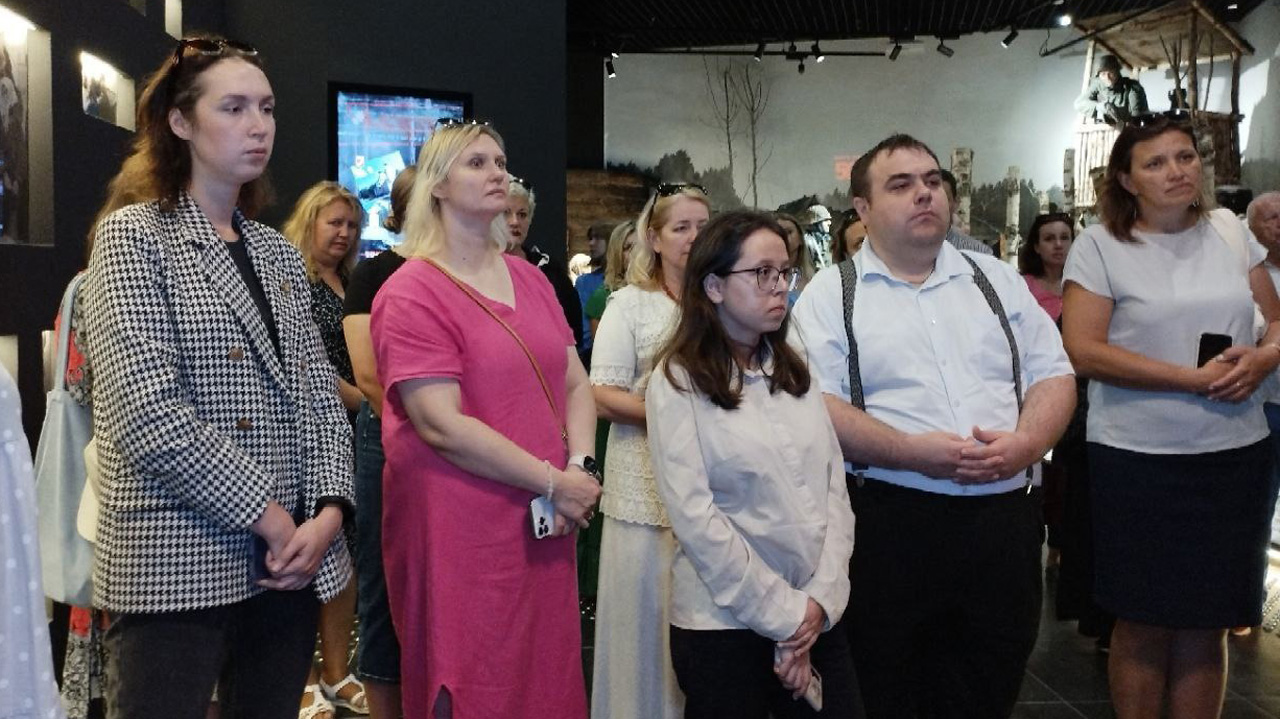
The workshop participants visited the memorial complex to the prisoners of Ozarichi death camp, located on the territory of three camps at once.
.jpg)
.jpg)
.jpg)
.jpg)
.jpg)
Ozarichi death camp was created in March 1944 and lasted only 10 days. During this time, the Nazis killed over 16,000 people here. Most of the prisoners were children. Witnesses of those events say that it was a real conveyor belt of death.
In 1965, a memorial complex was created in its place, at the heart of which is the composition "Stones of Insight" in the form of four multifaceted steles, each with a panel with archival photographs of prisoners. On the tower of memory, installed near the swamp, the memories of the camp prisoners are engraved. From here, there is an exit to the wall of sorrow and to the observation deck at the edge of the swamp, which became a mass grave of innocent victims.
Here you can also see the country's first memorial sign in honor of military doctors who joined the fight and prevented the spread of the typhus epidemic among army soldiers and civilians.
The memorial is a place of grief and memory, just one of the many pages of the bloody history of that time, a terrible tragedy. A tragedy that no one should forget... In the year of the 80th anniversary of the liberation of Belarus from the Nazi invaders, this topic sounds especially acute and relevant.
The workshop participants visited the House-Museum of Grandfather Talash in Novosyolki Petrikov District. It received its first visitors 35 years ago. The exhibits presented tell not only about the partisan movement in Petrikov District.
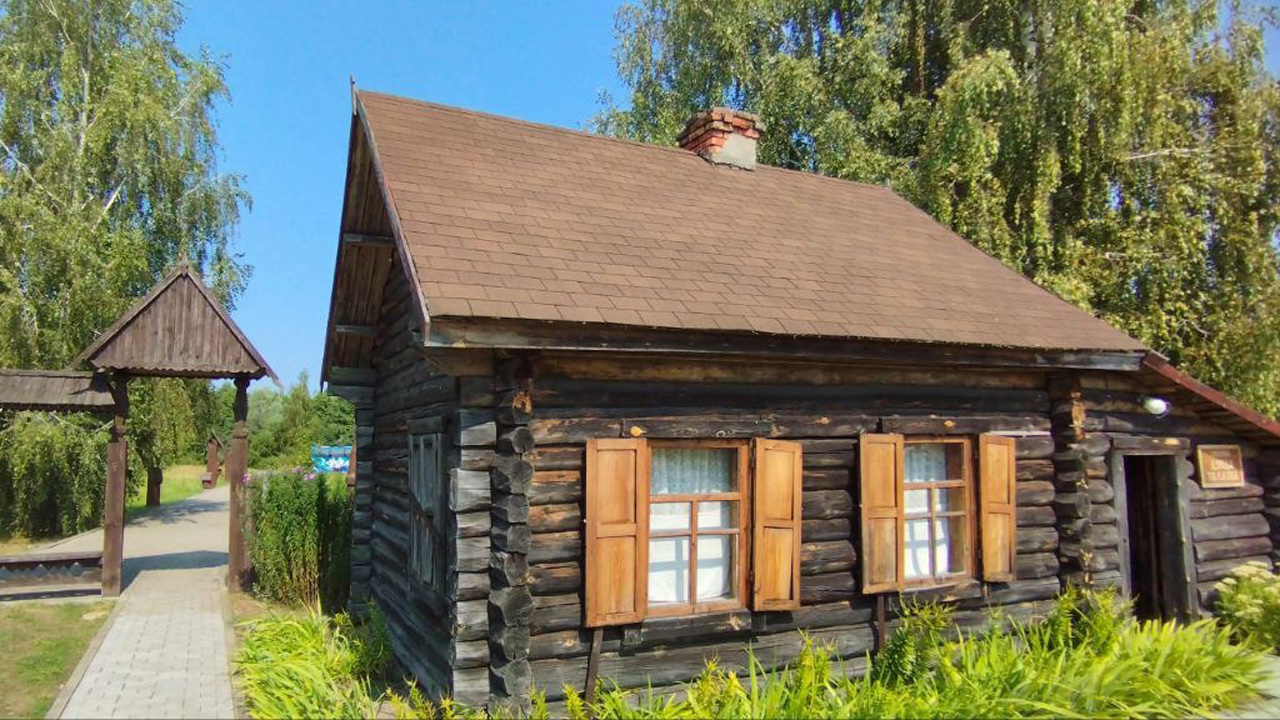
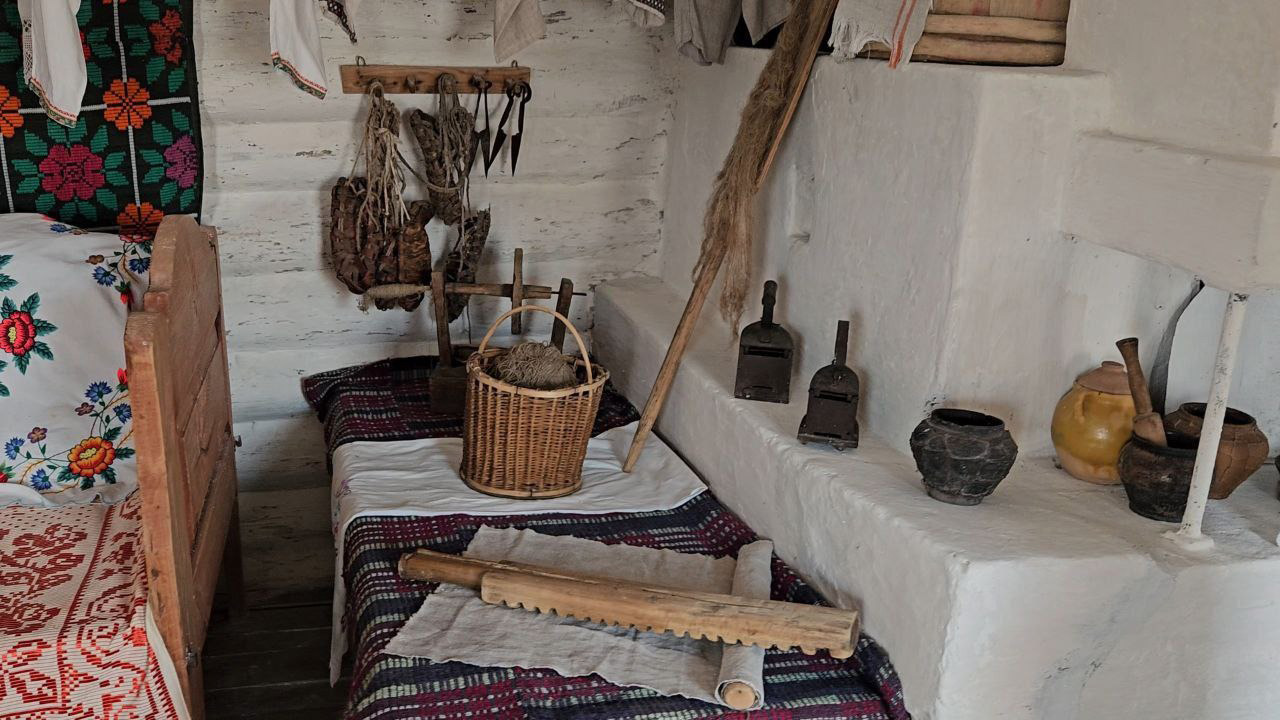
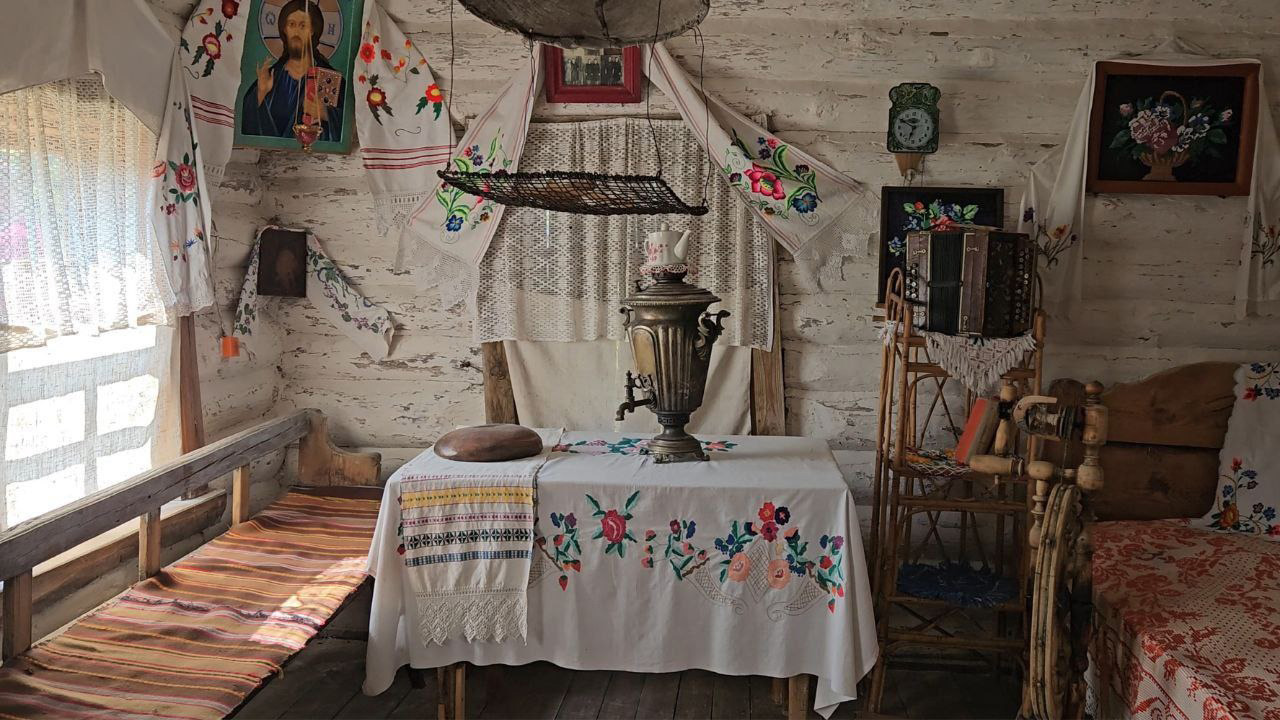
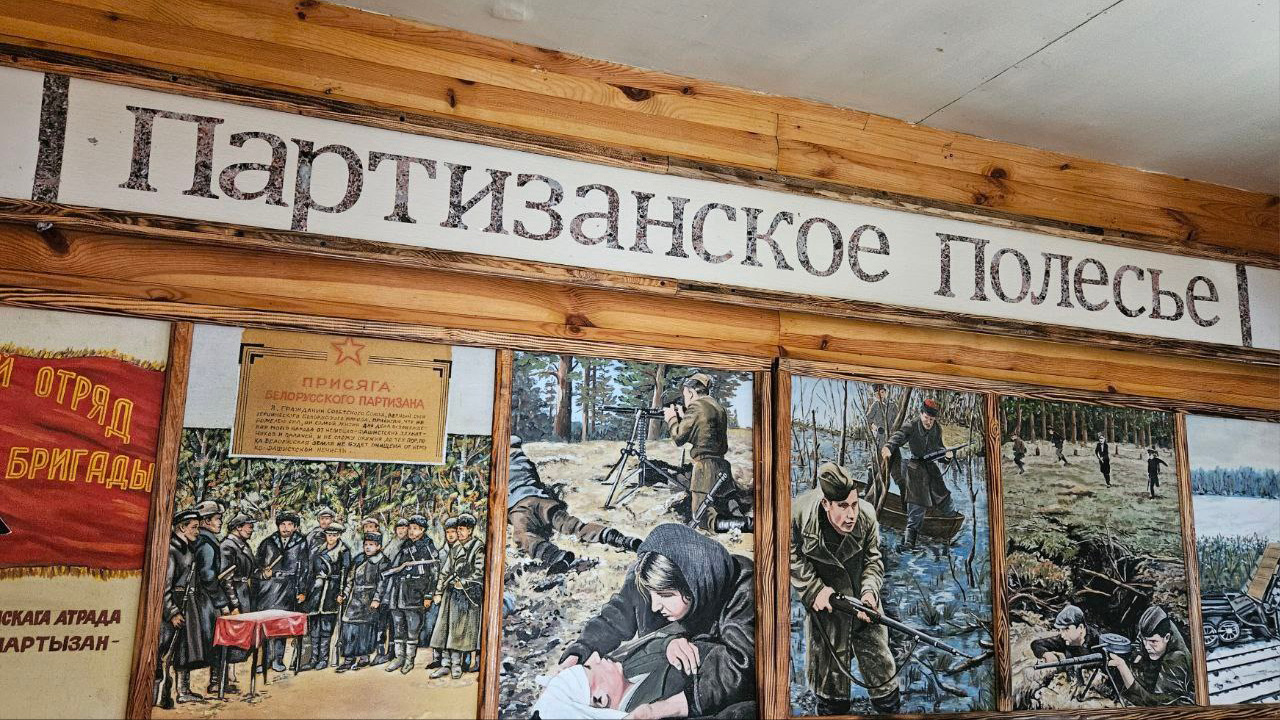
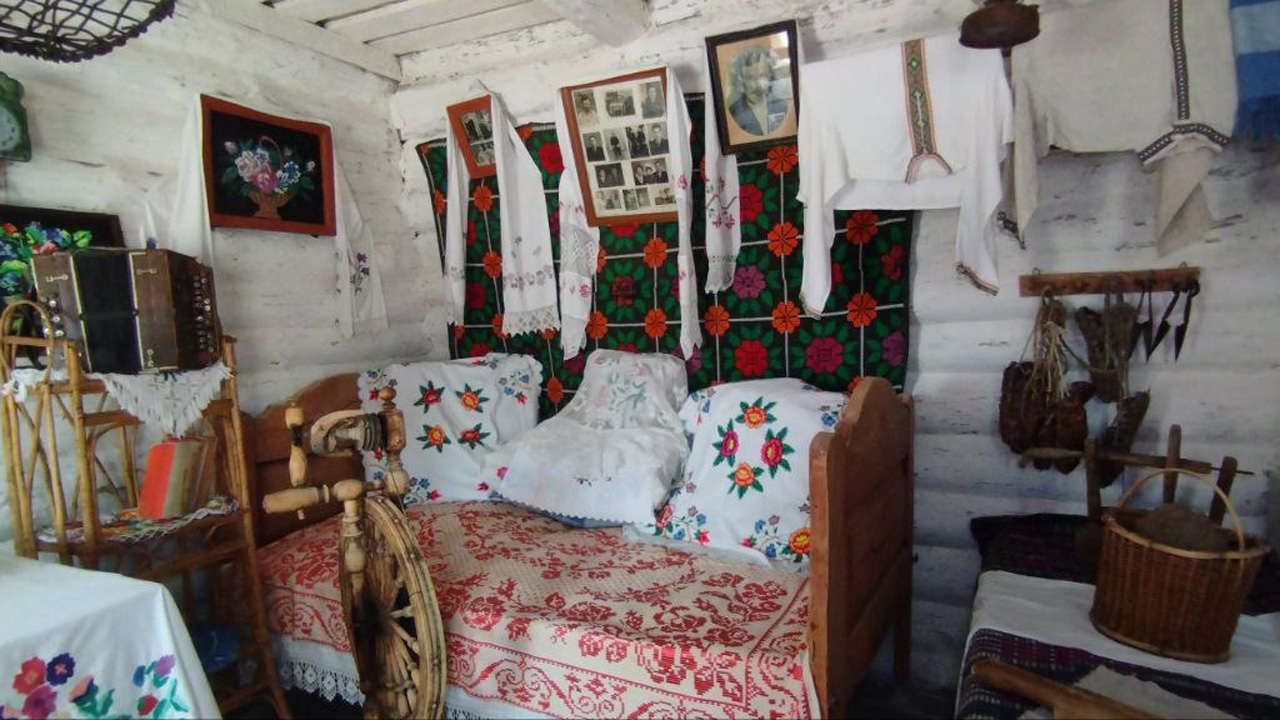
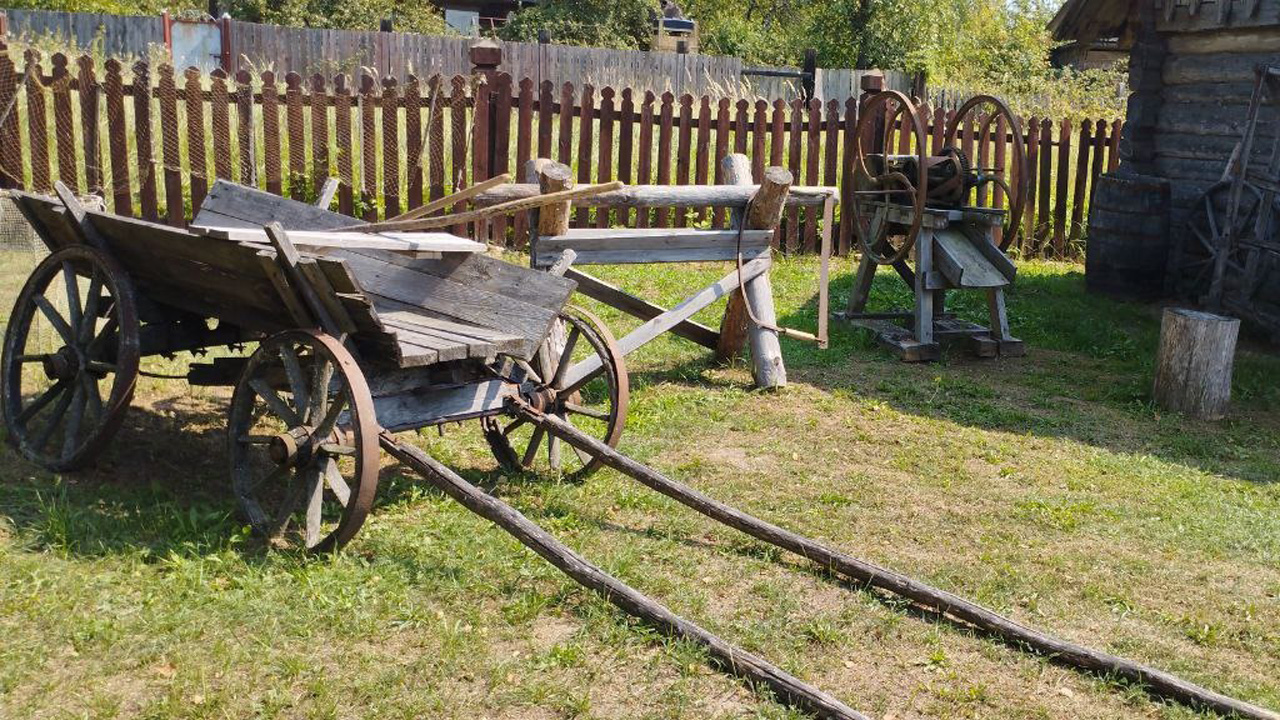
Here is a unique collection that reflects the key moments in the biography of the famous partisan Grandfather Talash. A true patriot, he made a significant contribution to the Victory and became a national hero. During the years of the Polish occupation, Grandfather Talash (Vasily Talash) organized a partisan detachment of 300 people and carried out combat operations to destroy the White Poles. When the Great Patriotic War began, Vasily Talash was already 98 years old. He went into the forest to the partisans and helped derail fascist trains.
The museum is located in a reconstructed estate. It is a small rural hut, recreated from a model of a house that was burned down during the civil war.