Date :
Tuesday, October 31, 2023
Shklov is a small town in the Mogilev region with a rich history and intriguing architectural landmarks.
Among the most prominent attractions of Shklov is the city's town hall. It was built in the 2nd half of the 18th century after King Augustus III confirmed Shklov’s right to self-government. Magdeburg law made it possible for the city not to depend on state rulers; townspeople were freed from feudal duties and could choose their own local governments.
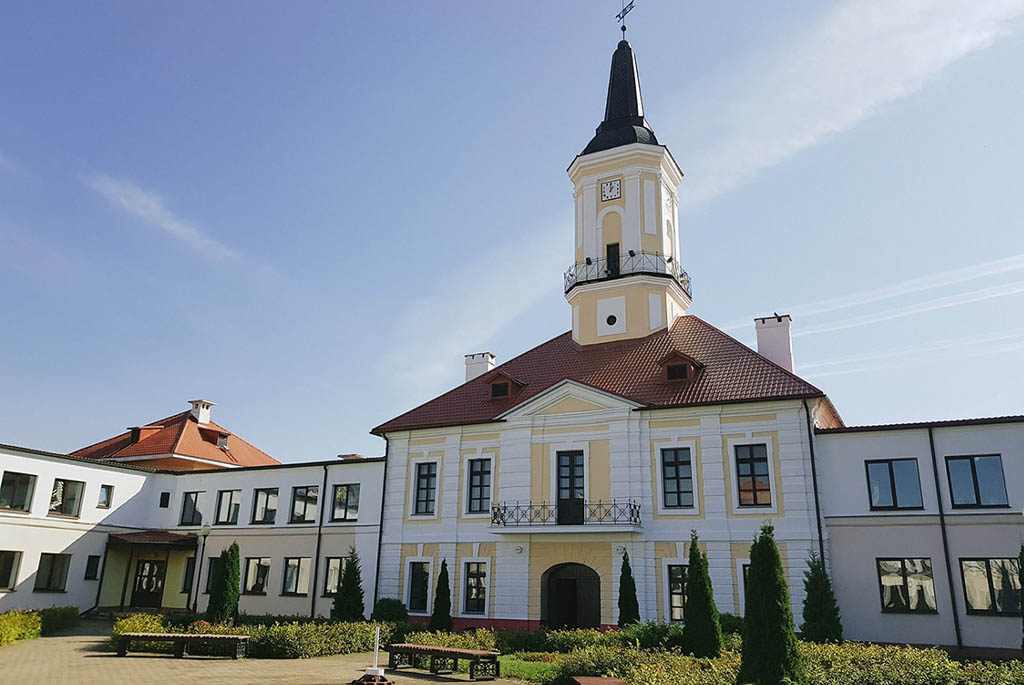
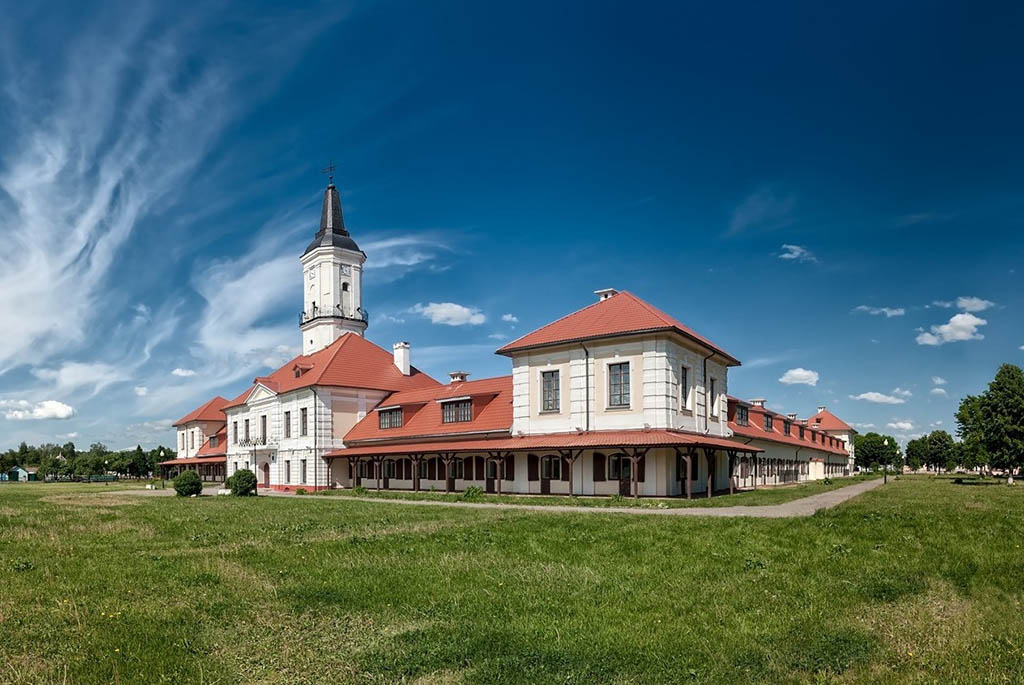
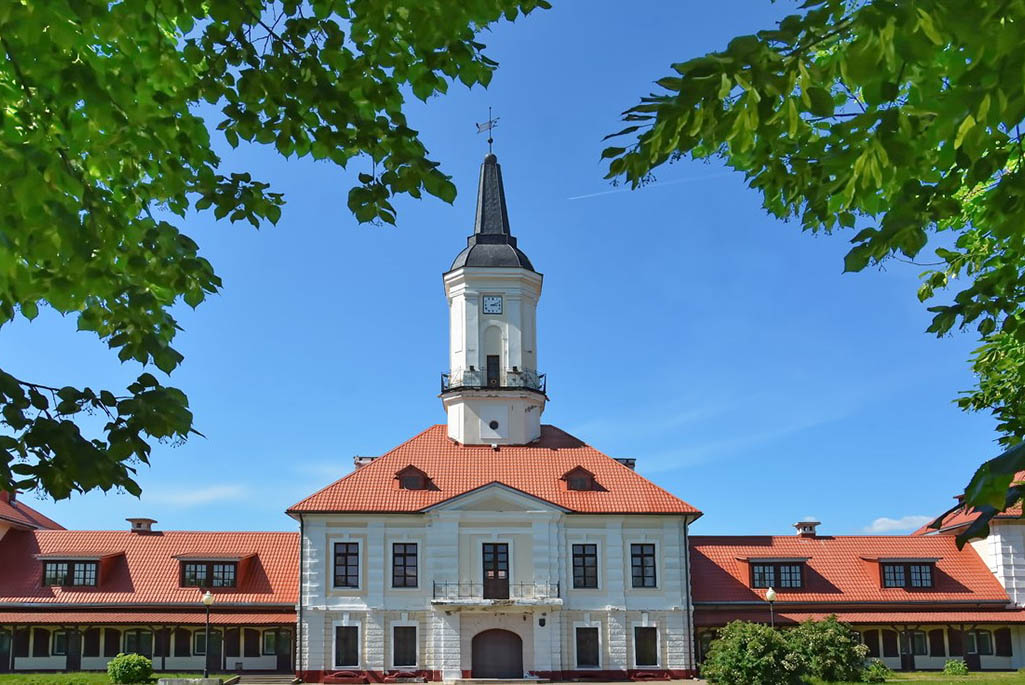
At the time, Shklov was actively being rebuilt after a major fire. New quarters were being formed, main and secondary streets were developed, and the town center was established around the market square where the town hall stood tall. It was the seat of the city magistrate. Completed in 1771, the building hosted city assemblies, judicial proceedings, and theatrical performances. Within its walls were stored archives, the city treasury, seals, and standard weights and measures.
Designed in the classical style typical of the era, the two-story Shklov town hall was crowned with an octagonal tower housing a clock and a bell. Adjacent to the town hall were the trading rows, forming a closed rectangular courtyard. The building's facade featured rectangular windows with pilasters, and the tower's spire was adorned with Shklov's coat of arms, which depicted a lever balance symbolizing the city's significance as a major trading hub.
Together with the trading rows, the town hall formed a single architectural ensemble. Barns were located at the corners of the complex, while shops partly faced the streets and partly opened to the courtyard, effectively concentrating a vast number of trading spots. Passageways were situated in the western and eastern parts of the complex.
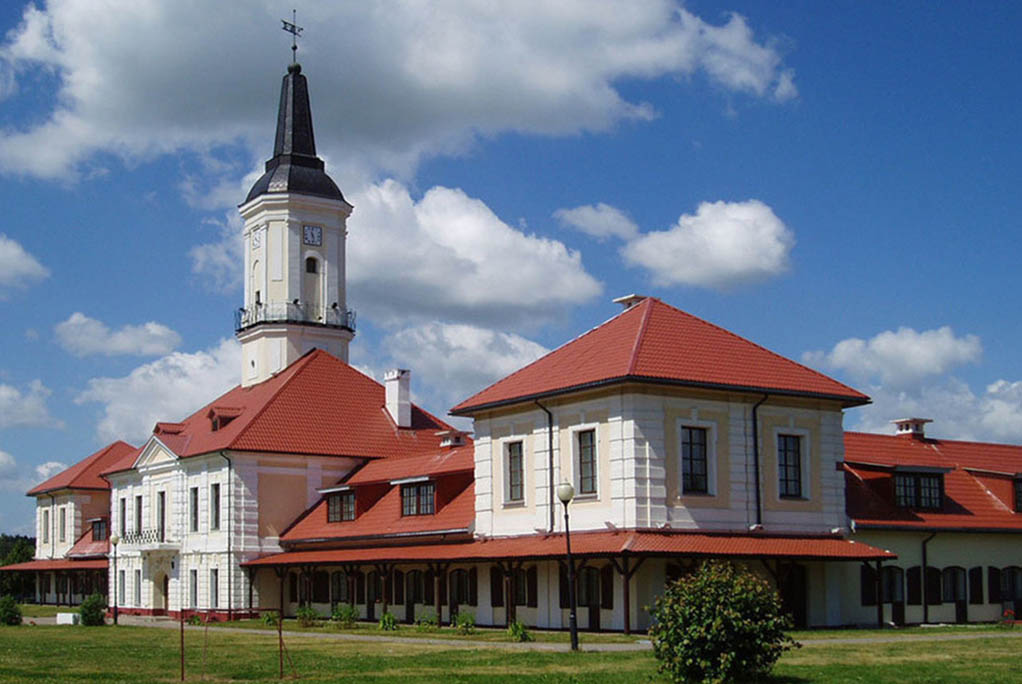
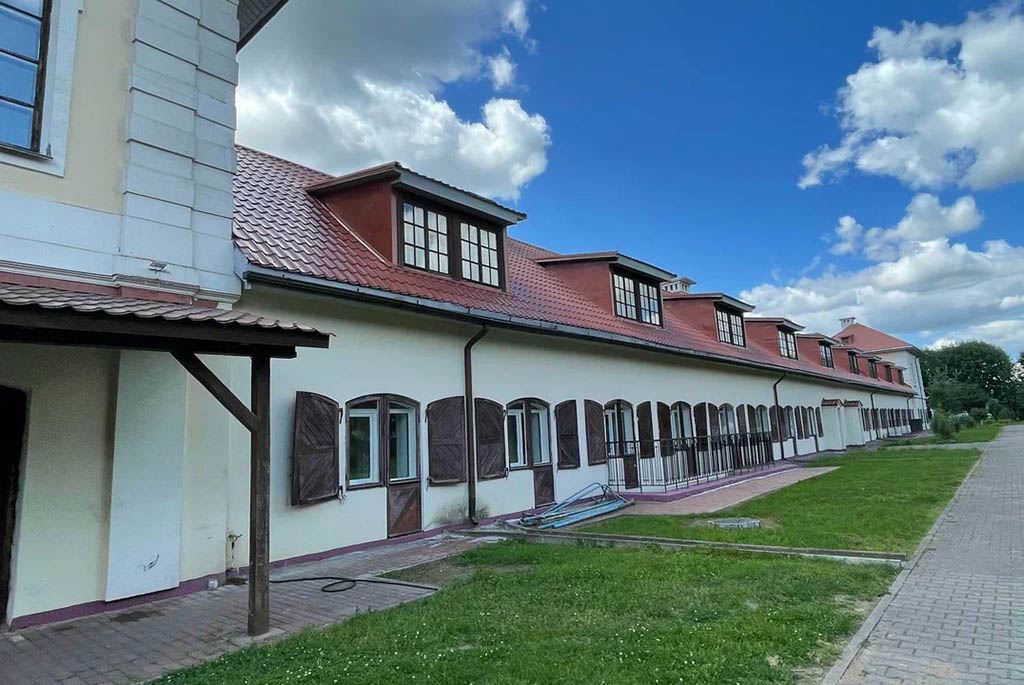
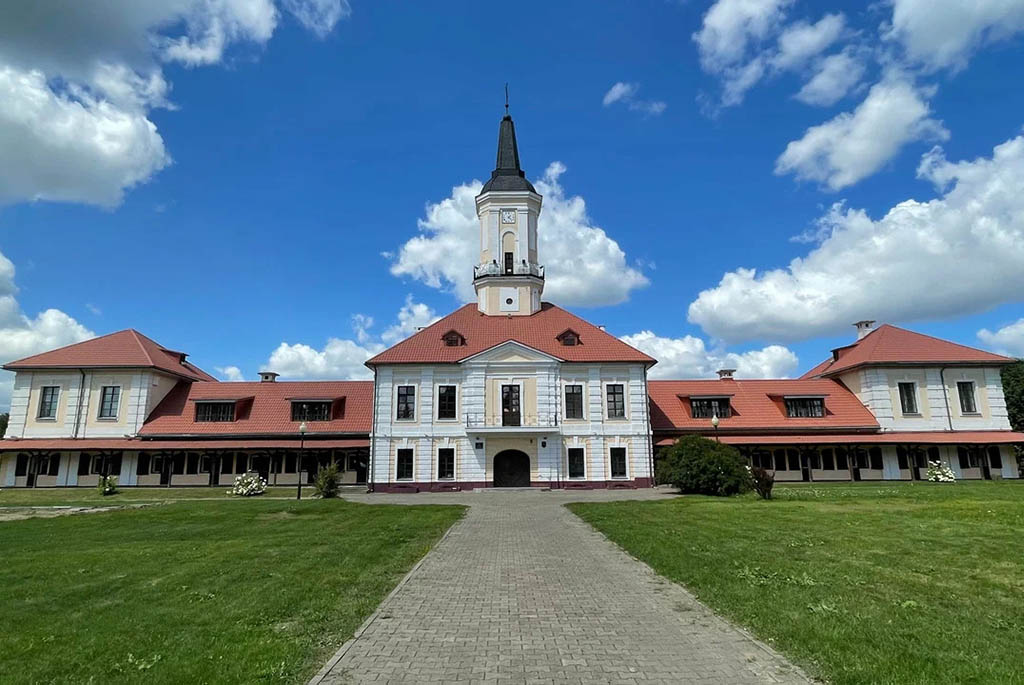
The structure remained functional until the Great Patriotic War. During the conflict, both the trading rows and the town hall itself suffered significant damages. After the war, the building was repurposed to house a bank and later became home to a fire station and a sewing workshop. The trading rows were eventually dismantled by local authorities.
By the 1970s, the building began to deteriorate, and the trading rows were gradually falling apart. In 1999, a reconstruction project for the Shklov town hall was developed. Restoration work commenced in the early 2000s, and the trading rows were rebuilt.
Today, the town hall accommodates a city gymnasium and a historical and local lore museum. The building's spire is still adorned with the city's coat of arms, and the bell of the tower clock can be heard throughout the area. Such constructions are rare in Belarus, making the Shklov town hall a unique architectural relic.
This architectural complex stands in the heart of Shklov, surrounded by other city landmarks: an 18th-century former synagogue, a 19th-century Catholic church, and an early 20th-century Orthodox church.