Date :
Monday, June 10, 2024
Where is situated the oldest museums in Belarus? Why do they scratch the paint? We are studying the proposals of Belarusian museums
Museums are important points of attraction for lovers of historical and cultural tourism. What treasures of Belarus are worth visiting? We offer interesting options.
Museum of the History of Vitebsk People's Art School
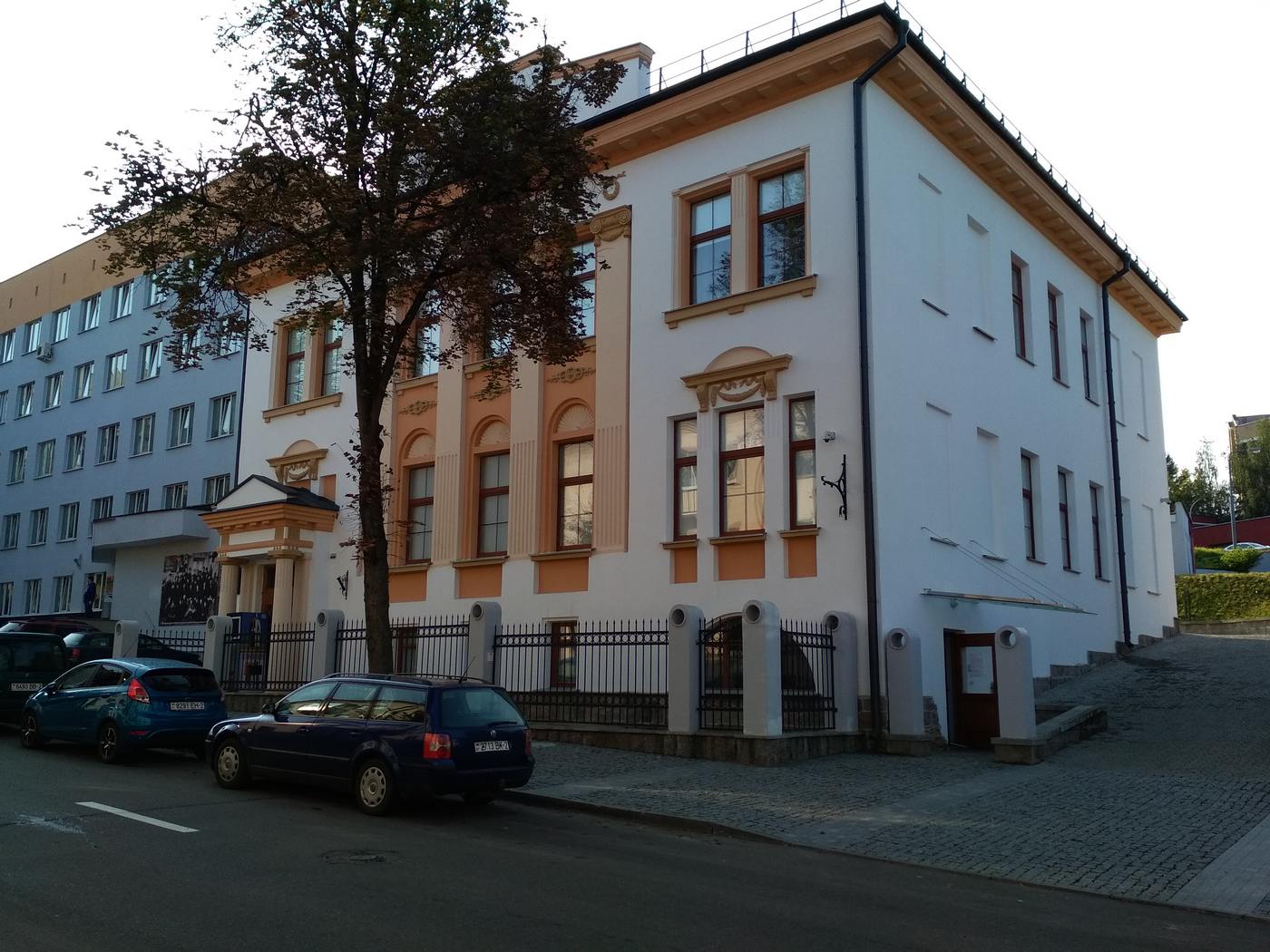
Vitebsk is a place of power for many famous painting masters. It is noteworthy that the first state institution in Belarus was opened in the city above the Dvina, where professional artists were trained. In 1918, on the initiative of Marc Chagall, a school began operating there. Many famous creators later graduated from this school including Zaire Azgur, Lazar Khidekel, Ilya Chashnik, Vitaly Tsvirko, Nikolai Suetin. It was in this institution that the world-famous UNOVIS association, headed by Kazimir Malevich, was born.
The building where art stars worked and studied is now a museum. The exhibition tells about the cultural life of Vitebsk at the turn of the 19th and 20th centuries, about the work of the art school, about teachers and students. The interior was restored according to old plans, and modern technologies enable to literally go back in time and even communicate with the masters.
Museum of Belarusian Polesie in Pinsk
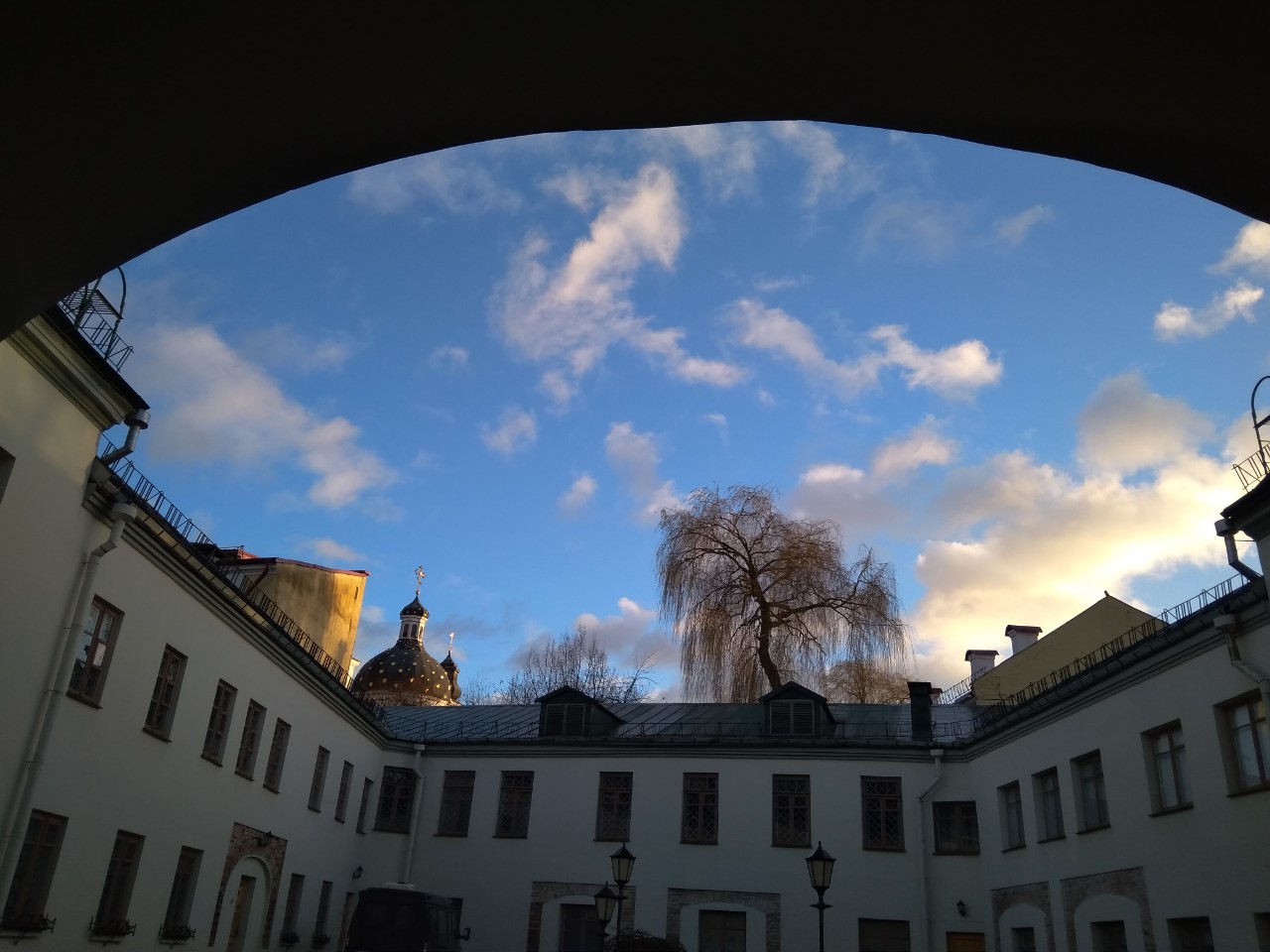
One of the oldest museums in our country has a rather impressive collection, which will be the envy of many treasuries. Among other things, it contains the seal of Prince Izyaslav from the 11th century, a reissue of the Third Statute of the Grand Duchy of Lithuania in Polish, paintings by legendary Belarusian and foreign artists.
The museum is located in the building of the former Jesuit college, built in the 17th century. The exhibition tells about the history of Pinsk land from antiquity to the beginning of the twentieth century, trades and crafts, urban life, and the Great Patriotic War.
Grodno State Museum of the History of Religion
This museum is the unique one in Belarus. Its exhibition introduces archaic beliefs, Christian denominations, Islam and Judaism. A separate section is dedicated to the pioneer printer Francisk Skorina. The museum's collection contains many rarities, including icons, early printed books and manuscripts, paintings and graphics, household and religious objects.
Grodno Museum of the History of Religion is located in a former palace, which at various times was owned by representatives of famous noble families. For example, one of the hosts was Grodno steward Antony Tizengauz.
Vetka Museum of Old Believers and Belarusian Traditions named after Shklyarov
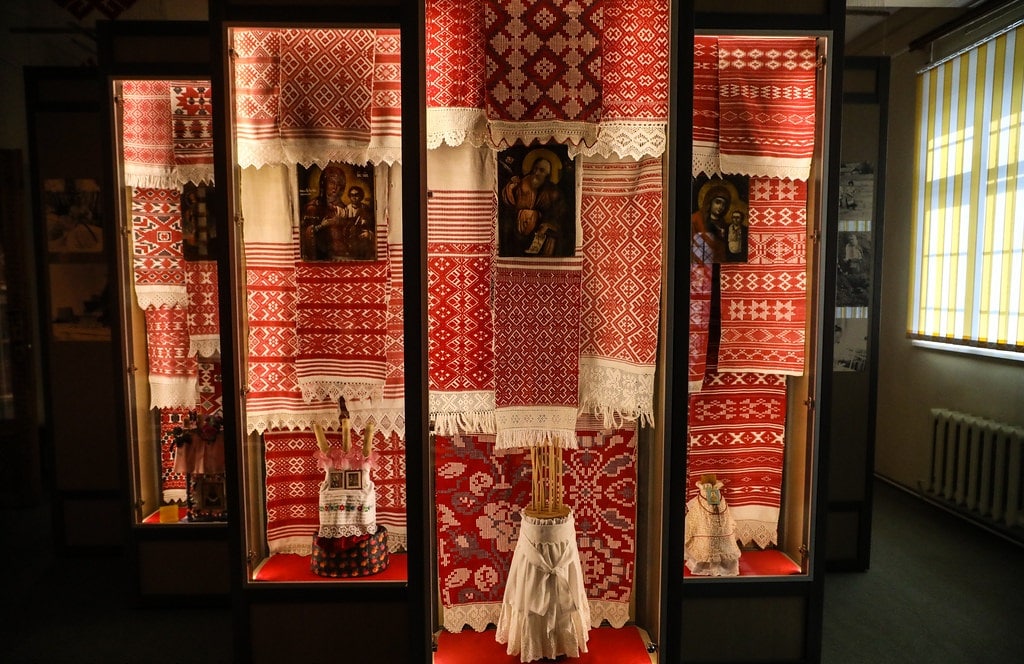
The exhibition is dedicated to the heritage of the Orthodox Belarusian village and the Old Believer Vetka. Woven handbags and costumes, icons and books, household items - all these values help to understand how the culture of the region developed and different traditions were intertwined on this land. The foundation of the collection was laid by local amateur artist Fyodor Shklyarov in the last century. The special pride of the collection is its unique icons that combine features of various art movements. The collection of towels and folk costumes of the Vetka Museum includes more than 1,800 items.
Ivenets Museum of Traditional Culture
At the turn of the 19th and 20th centuries, Ivenets was called the capital of pottery. At that time, about two dozen workshops operated in the small town. Their products are notable for their unusual decor. Craftsmen applied pigments to raw clay and combed the paint with special combs. The thematic section of the exhibition tells in detail about the features of local ceramics. You will see a variety of handmade dishes, stove tiles, and whistles.
Also in the museum you can touch the creative heritage of the folk artist Apollinaris Pupko and learn about other famous residents of the region. The institution has workshops for weaving, pottery, blacksmithing and woodworking.
Dribin District Historical and Ethnographic Museum
Shaping a unique felting craft has long been widespread in these parts. The tradition is recognized as an intangible cultural value of Belarus. You can get acquainted with this craft and even try to make felt boots by visiting the Dribin Museum.
Guests will find the working tools of craftsmen, wool products such as felt boots, caps and mittens. In addition, the exhibition tells about other trades and crafts. For example, guests will learn about the technologies of pottery, weaving, flax and hemp processing.