Address:
- Gomel region, Mozyr District, Gomel region, Mozyr Ravines Republican Landscape Reserve
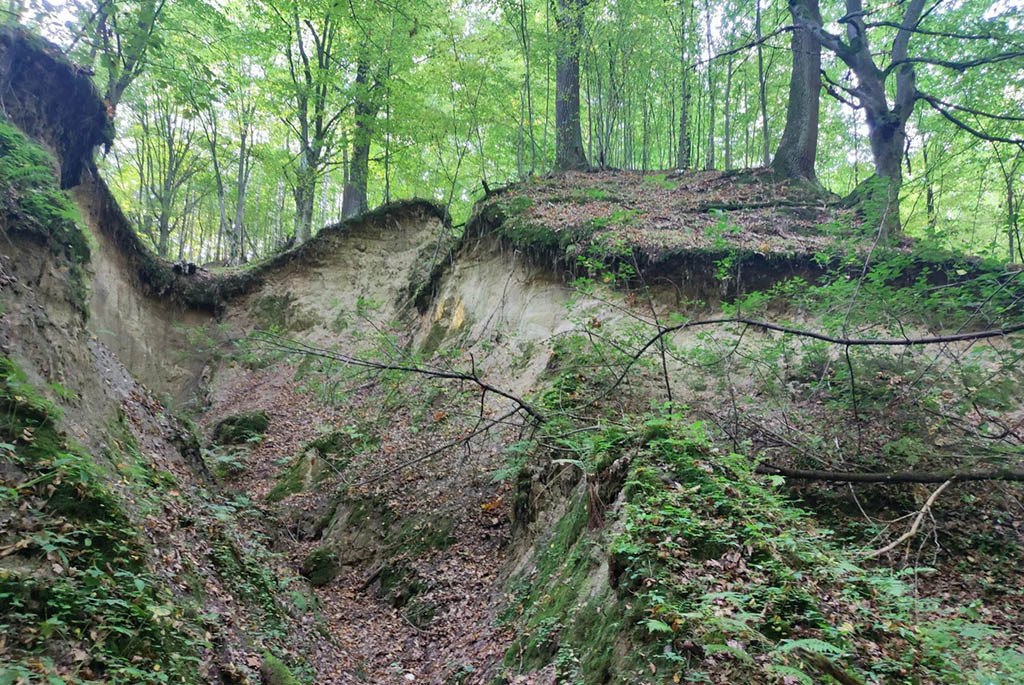
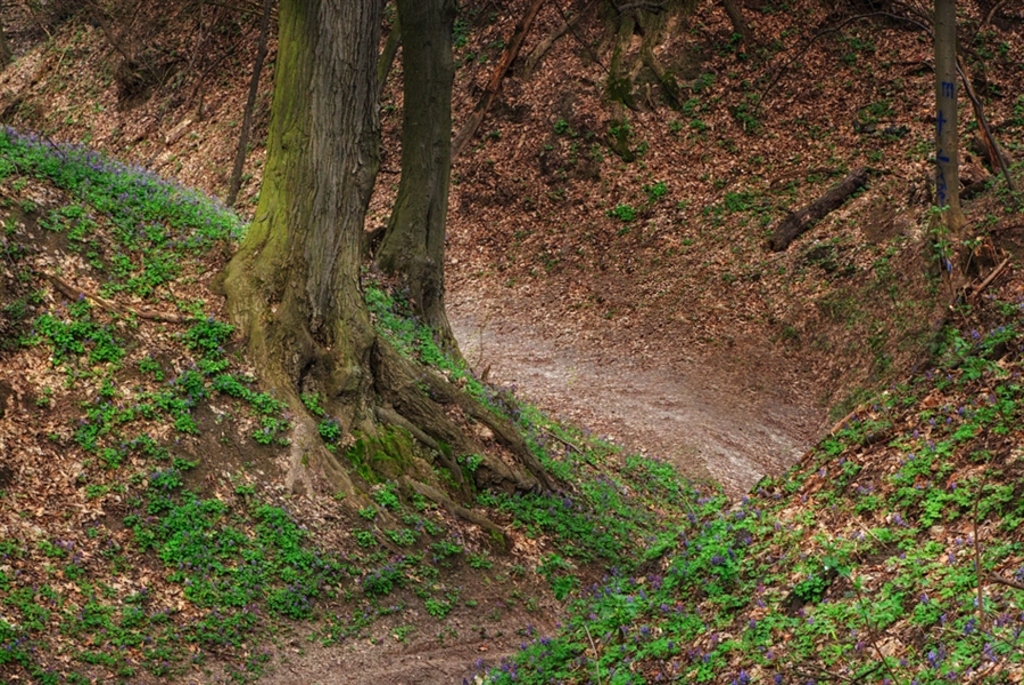
When people think of Belarus, the first image that often comes to mind is the flat Polesia region, with its swamps, forests, and lakes. Yet in the southeast of the country lies a place of a completely different character — hilly ravines, steep slopes, and deep gullies. This is the Republican Landscape Reserve “Mozyr Ravines”, a natural corner where nature has carved its own sculpture with a chisel.
Location and Formation of the Relief
The reserve is located in the Mozyr District of the Gomel Region, covering part of the city of Mozyr and its suburbs, as well as forest land. It was established in 1986 and later received the status of a republican reserve.
Its area is about 1,019.7 hectares. Until 2007, some ravines within the city limits were part of the reserve, but its boundaries were slightly adjusted, excluding sections incorporated into the western and central parts of Mozyr.
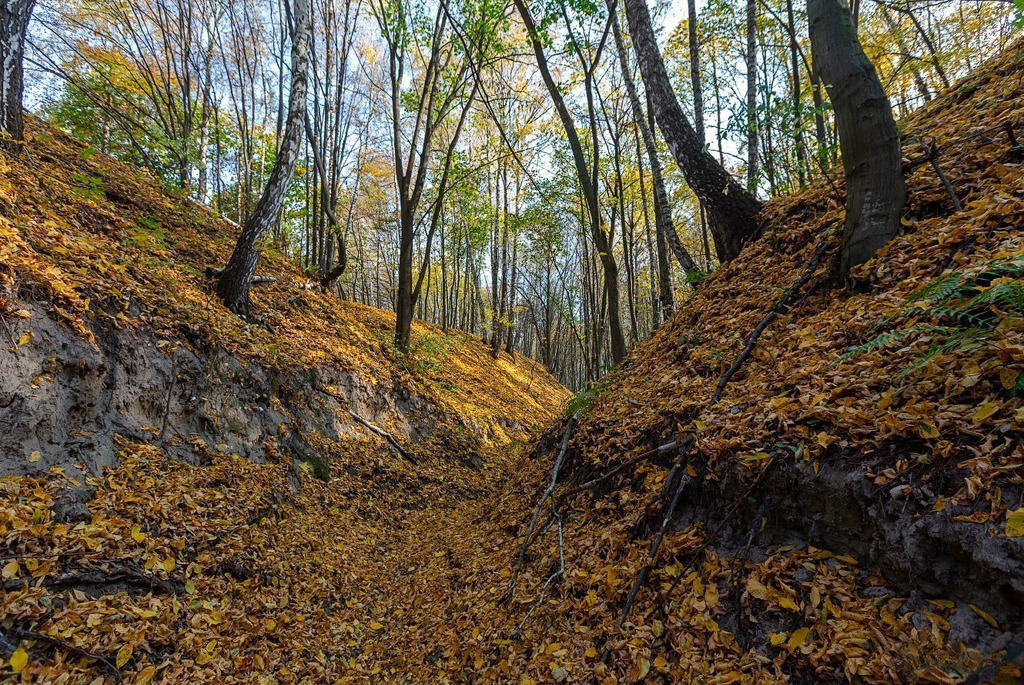
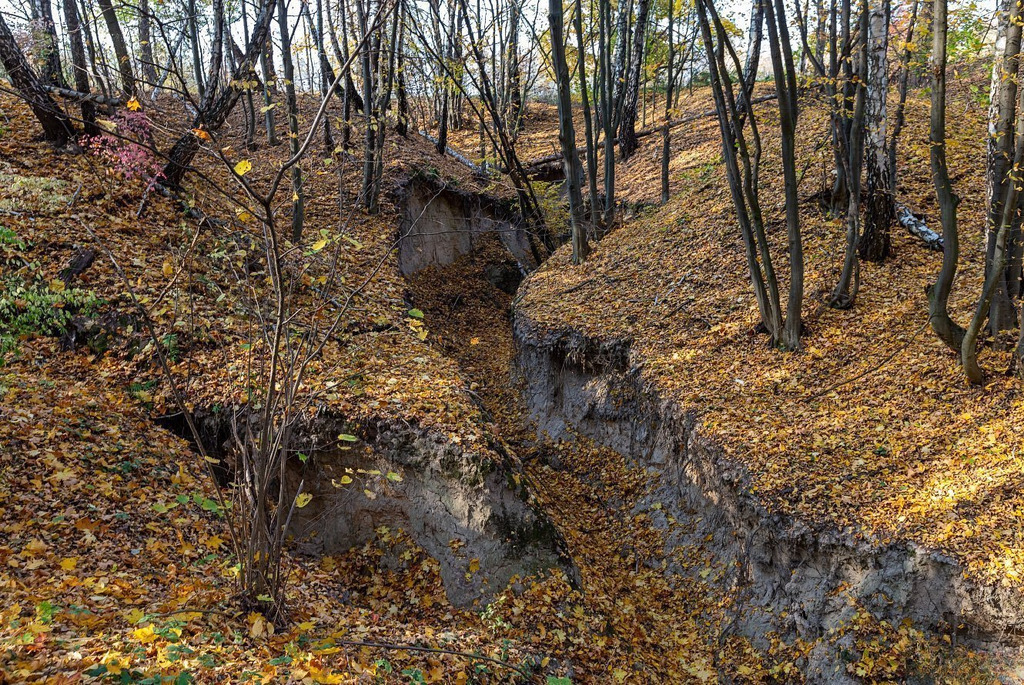
Relief is the main treasure here. Ravines, gullies, and talwegs cut through the Mozyr Ridge, formed during the Dnieper glaciation period — about 250,000–300,000 years ago.
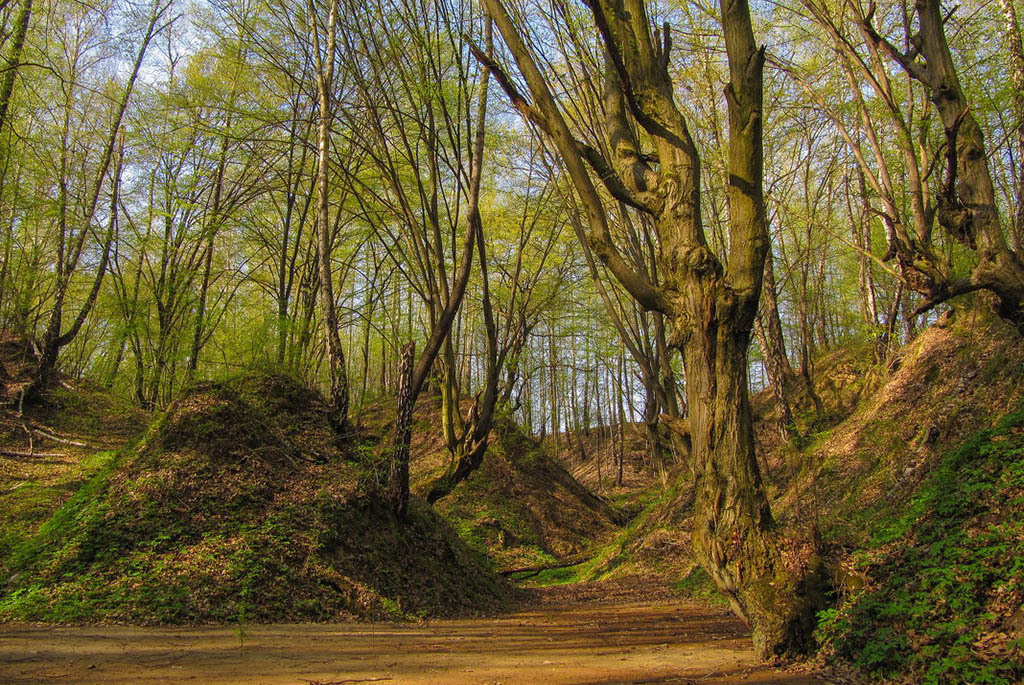
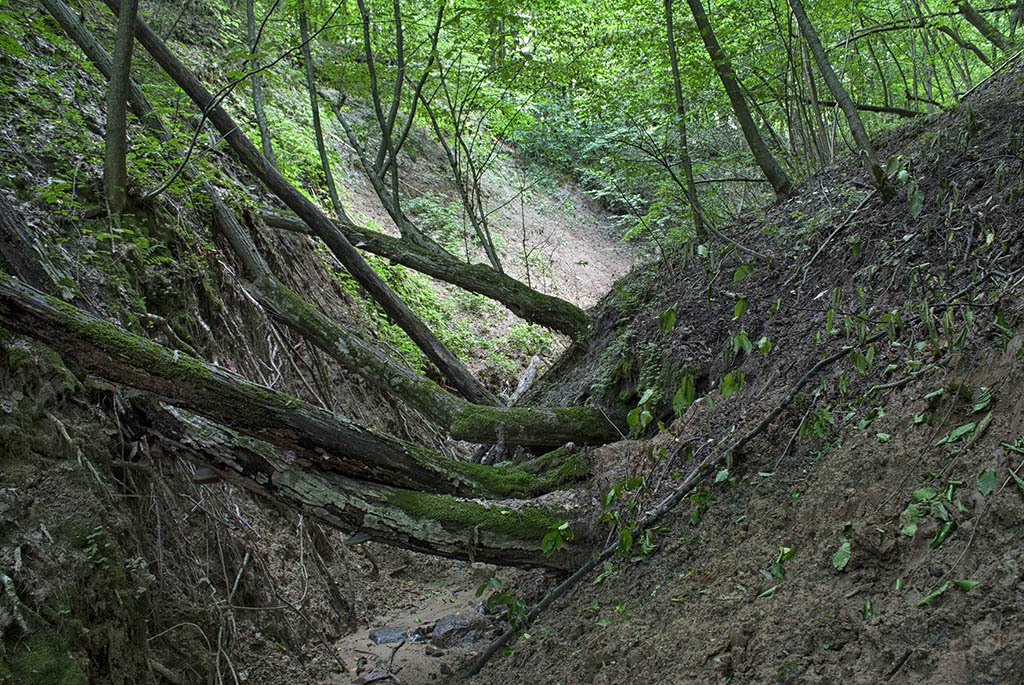
The maximum elevations in the territory reach 200–220 meters above sea level, which is a significant difference for Polesia. The depth of the ravines sometimes reaches 40–60 meters, and the slopes can be as steep as 30° in some areas.
The slopes often expose glacial moraine boulders — massive stones left behind by the retreating glacier. These geological features make the landscape not only picturesque but also of scientific interest.
Flora: Forests, Rare Species, and Plant Communities
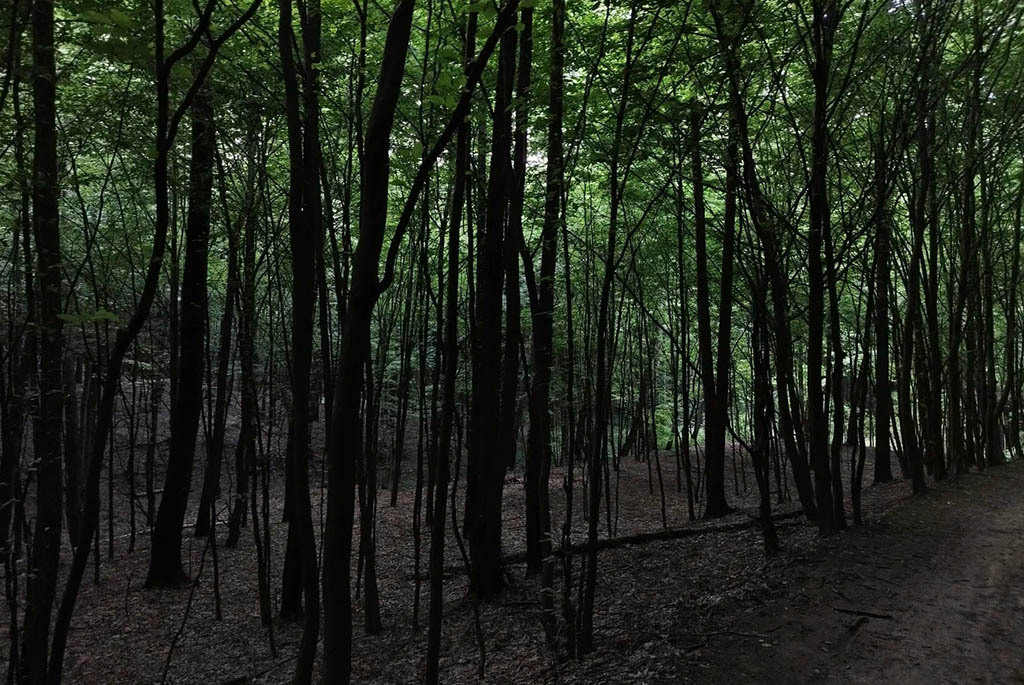
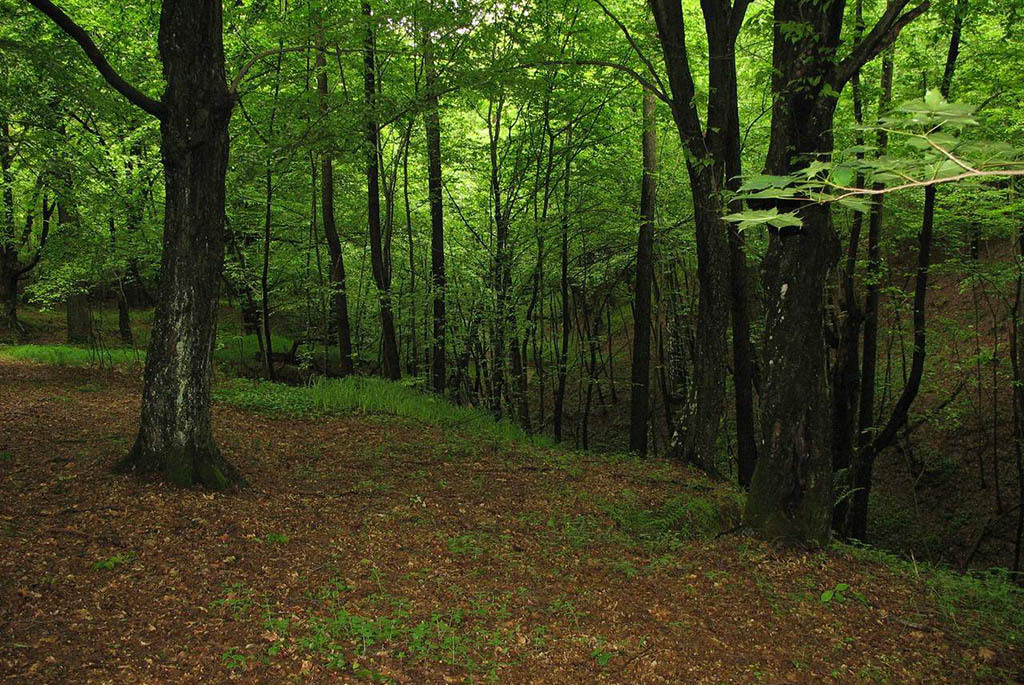
The plant cover of the reserve is diverse and rich. It includes old-growth forests: pine stands up to 120 years old, hornbeam stands up to 80 years old, birch, oak, as well as mixed forests with maple, ash, linden, alder, and elm.
“Mozyr Ravines” hosts around 496 species of vascular plants, 14 of which are listed in the Red Book of Belarus. Among the most valuable species is European bugbane, a rare relict found in Belarus only here and in Belovezhskaya Pushcha. Other rare plants include meadow pasqueflower, white cinquefoil, wood anemone, mountain St. John’s wort, dark-red helleborine, green-flowered orchid, and others.
Vegetation is distributed across slopes, gullies, and ravine bottoms: steep slopes are often covered with forests, gentler ones with mixed stands, and wetter species thrive in ravines and near water bodies.
Fauna: Who Lives in the Ravines
The animal world of the reserve is also diverse. Mammals include foxes, martens, stoats, roe deer, wild boars, and moose. Birdlife is abundant as well, with numerous thrushes, warblers, and other forest species.
Amphibians and reptiles include the crested newt (a Red Book species), common grass snake, viviparous and sand lizards, and the European pond turtle. Rare insects such as the marbled rose chafer, Colias myrmidone butterfly, carpenter bee, and others are also found here.
Unique Features and History
- Geological heritage: ravines, moraines, and boulders — all remnants of the Ice Age.
- Human interaction with the landscape: terraces were built on steep slopes, with trees planted to prevent erosion.
- Cultural and historical sites: within the reserve lies an ancient Bronze Age settlement; local ravines preserve legends and names such as “Valley of Angels” and “Valley of Death.”
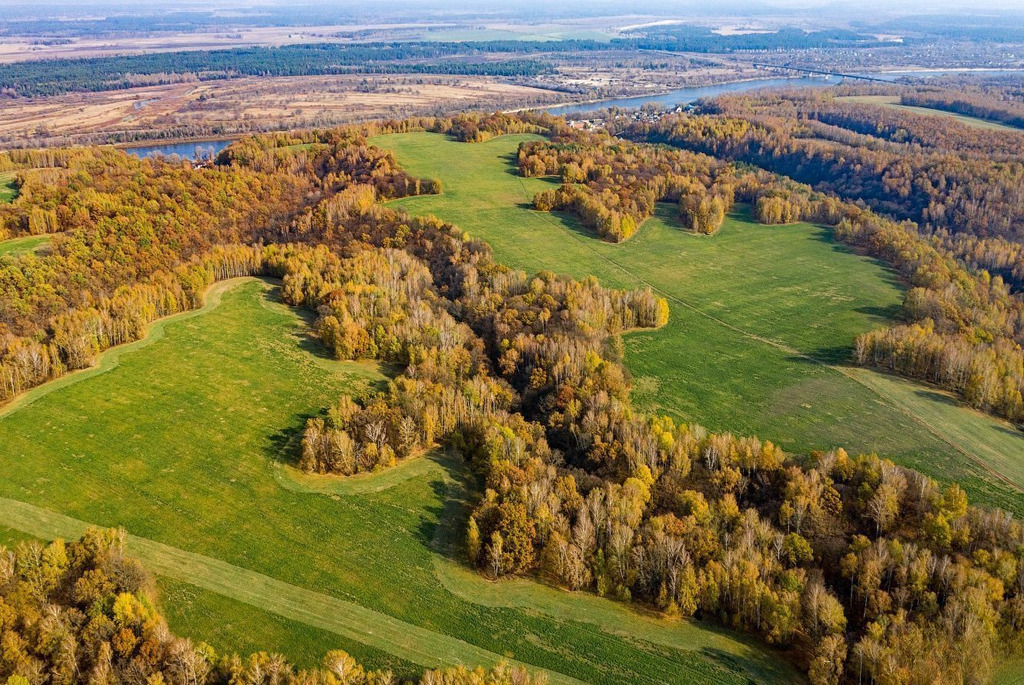
- Aesthetic and scenic views: from the heights of the ravines, one can admire the Pripyat River valley, forests, and surrounding landscapes, especially breathtaking in golden autumn.
Ecotourism: Trails, Impressions, and Tips
For those wishing to explore the Mozyr Ravines more closely, the reserve offers an ecological trail about 6 km long. Along the way, visitors can stop at information stands, observe plants and animals, and learn about the interaction between nature and humans.
The trail is of moderate difficulty and takes several hours depending on the pace and number of stops. It begins right from the city of Mozyr and is easily accessible by public transport or car.
The best time to visit is late spring (when rare plants bloom), summer, and especially autumn, when the forest is dressed in multicolored foliage and light plays on the ravine slopes. Warm autumn days are particularly scenic.
It is important to remember: the slopes are prone to erosion, so when visiting the ravines, stay on the trails, be cautious, and do not leave litter. This is a fragile place — both geologically and ecologically.
Why Visit the “Mozyr Ravines”
- An unusual location for Belarus — not just forest or swamp, but canyon-like ravines, steep slopes, and viewpoints.
- A chance to see rare plant and animal species listed in the Red Book.
- A pleasant nature escape right within the city limits, offering a short walk, inspiration, and tranquility.
- Valuable for both scientists and nature lovers — geology, biology, and history come together here.