Address:
- Brest region, Zhabinka District, Chizhevshchina village, Leninsky village council
In the very heart of the Brest Region, in the Kobryn District, stands a small yet significant historical landmark – the memorial chapel in the village of Chizhevshchina. Its appearance is connected to events that, more than two centuries ago, shook the entire Polish–Lithuanian Commonwealth and left a deep mark in the history of Belarus – the 1794 uprising led by Tadeusz Kościuszko and the Battle of Krupchitsy.
Historical context
The late 18th century was a time of change and upheaval. After the Second Partition of the Polish–Lithuanian Commonwealth in 1793, the Polish nobility and part of the Lithuanian elite opposed the new political order. In 1794, under the leadership of Tadeusz Kościuszko, an uprising broke out, spreading across vast territories – from Poland to Lithuania and Belarus.
On 6 September 1794, near the walls of the Carmelite Monastery in Krupchitsy (as present-day Chizhevshchina was then called), a decisive battle took place. The Russian army under the command of Alexander Suvorov clashed with the insurgent forces led by General Kajetan Sierakowski. The Russians emerged victorious, but both sides suffered heavy losses – historians estimate around 700 people were killed. The monastery was severely damaged, and many buildings were destroyed.
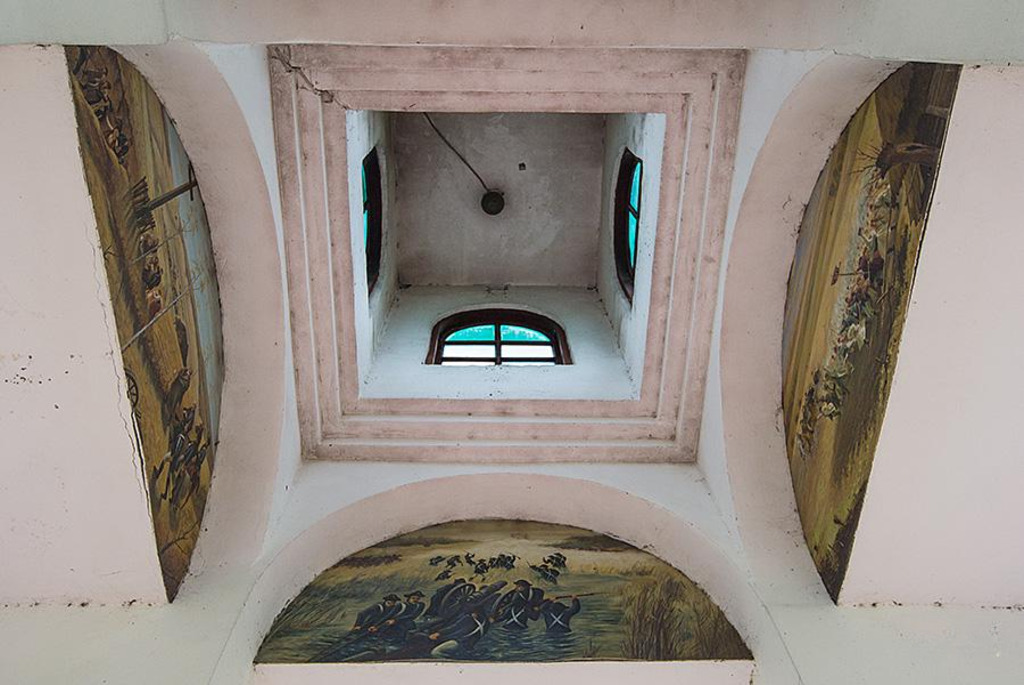
Memory of the past
A century later, in 1894, to mark the 100th anniversary of the battle, the Church of St. Vladimir the Baptist was built on the site of the former monastery in the Neo-Russian style. Its construction became a symbol of remembrance and reconciliation. For many years, the church remained active, but during the Soviet period, in 1967, it was closed. Only in 1989 was it returned to the faithful and restored.
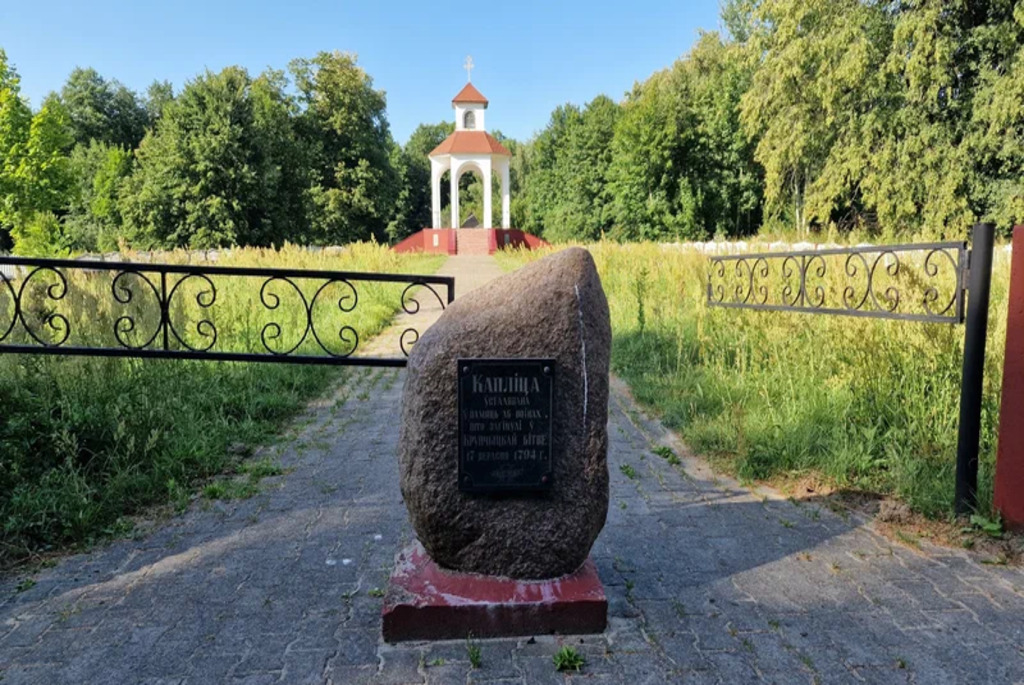
The memorial chapel appeared much later – in 2004, on the 210th anniversary of the Battle of Krupchitsy. It became yet another reminder of the dramatic events of 1794 and a tribute to all who perished in that battle.
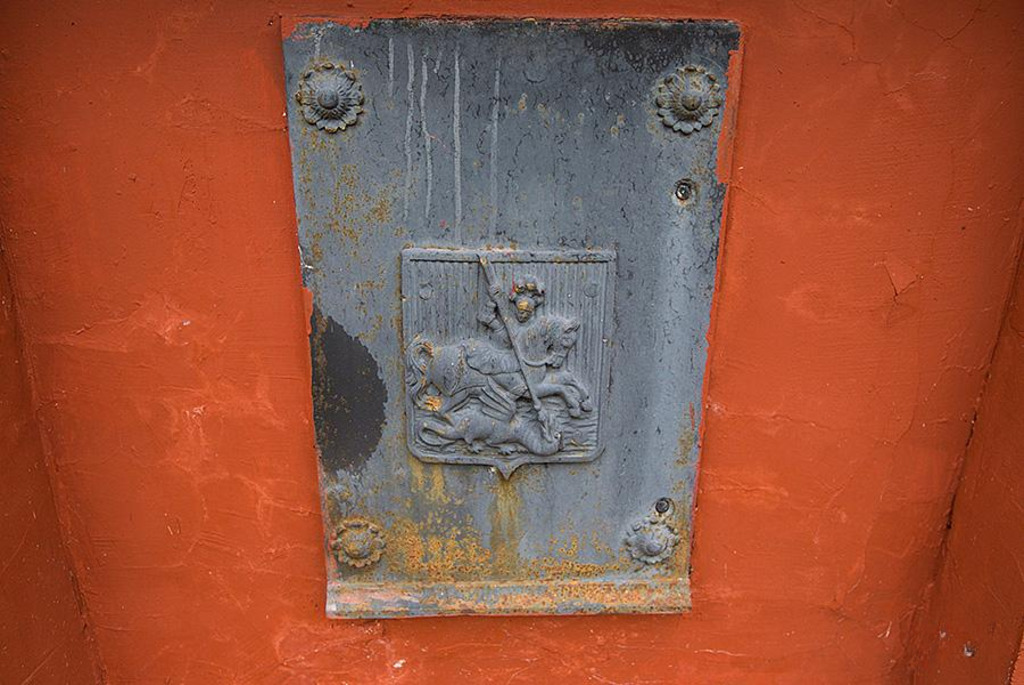
Architecture and symbolism
The chapel fits harmoniously into the ensemble with the Church of St. Vladimir. Its strict lines and minimalist design emphasize the memorial character of the structure. Nearby stands a commemorative stone bearing the inscription: “On this site on 17 September 1794 took place a great battle of the Kościuszko Uprising.”
The location of the chapel was not chosen by chance – according to tradition, this is where the main line of battle once ran. The surrounding space is arranged so that each visitor can pause, reflect on the events of the past, and honor the memory of the fallen.
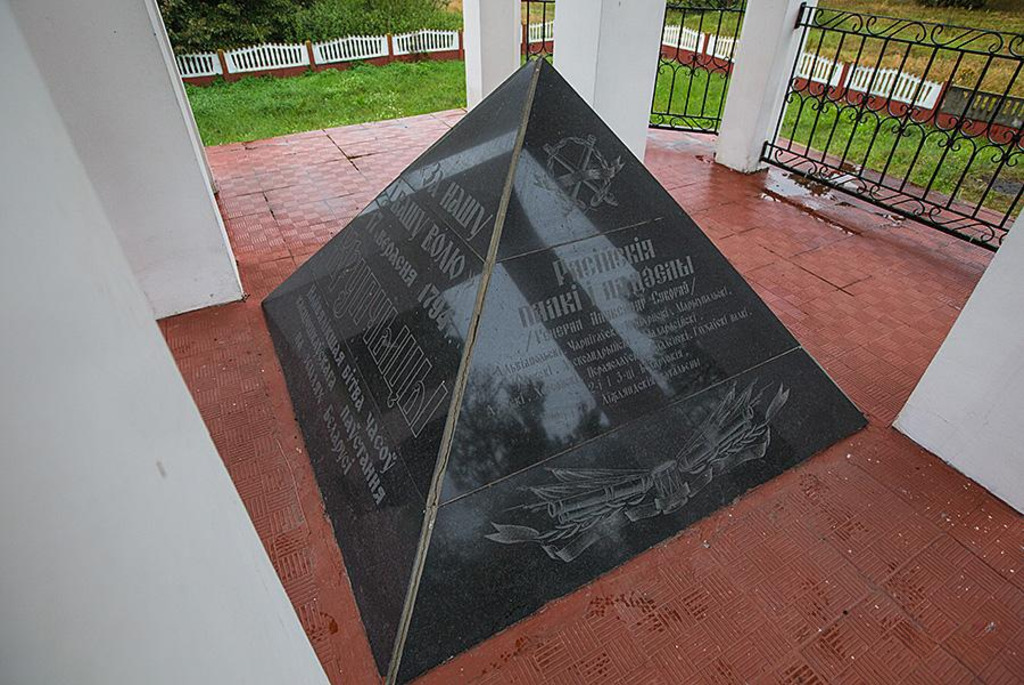
Why you should visit
Chizhevshchina is not just a point on the map but a place where history comes alive. Visiting the memorial chapel, you can:
- See a monument dedicated to one of the key battles of the Kościuszko Uprising;
- Discover late 19th-century Neo-Russian architecture by exploring the Church of St. Vladimir;
- Walk through the area where cannons once roared but where peace and quiet now reign;
- Immerse yourself in the atmosphere of a Belarusian village with its traditional way of life and unhurried rhythm.
How to get there
The village of Chizhevshchina is located in the Kobryn District of the Brest Region. You can get there from Kobryn or Brest by car or by regular bus service. The nearest large towns are Kobryn and Zhabinka.
The best time to visit is late spring, summer, and early autumn, when the area around the chapel is surrounded by lush greenery, and the rural landscapes are especially picturesque.
A place for reflection
The memorial chapel in Chizhevshchina is not only a historical site but also a quiet corner for personal contemplation. Here, you can feel the connection of times, remembering that the peace we enjoy today is the result of the struggle, self-sacrifice, and courage of past generations.
A visit here can be part of a broader route through the Brest Region: nearby you can visit the Kobryn Military History Museum named after A.V. Suvorov, monuments dedicated to the events of the uprising, and other historical landmarks.